
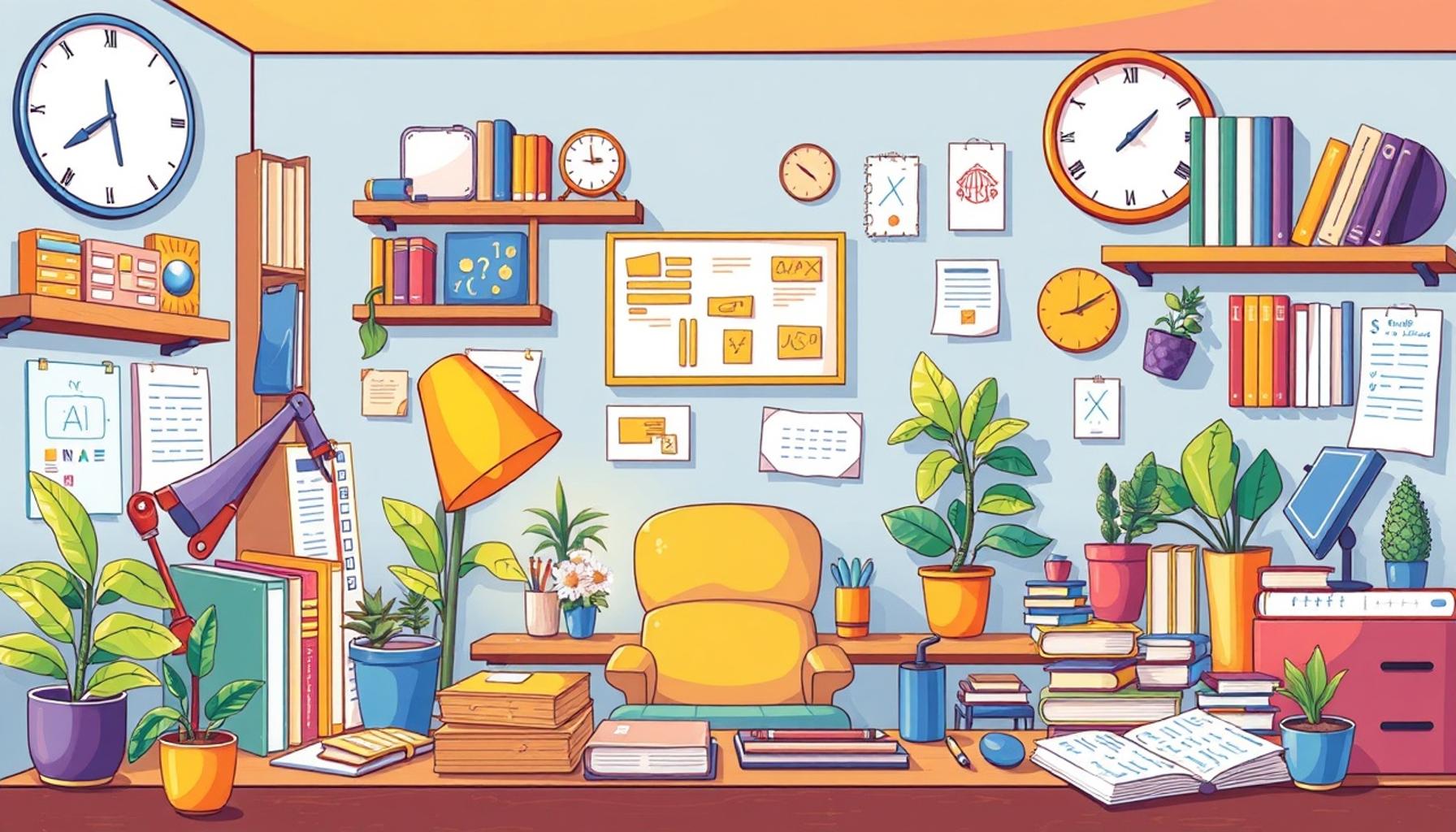
Exploring the Role of Workspace Design in Enhancing Productivity
In the rapidly evolving landscape of remote work, freelancers face unique challenges as they navigate deadlines and an array of responsibilities while working from home. Often, one key factor that is underestimated in driving productivity is the spatial organization of their workspaces. The arrangement and design of a workspace can dramatically influence a freelancer’s ability to concentrate, remain inspired, and ultimately accomplish their objectives.
Consider how various layouts, colors, and setups impact daily work life. A well-designed workspace can eliminate distractions, making it easier for freelancers to immerse themselves in their tasks. Here are several pivotal factors that contribute to an effective workspace:
- Defined Areas: Establishing distinct zones for work, relaxation, and breaks can help them delineate activities. For example, setting up a dedicated desk for work—preferably removed from common distractions such as the TV—can signal to the mind that it is time to focus. Having a cozy chair in a different area for relaxation can encourage mental breaks, which are essential for maintaining productivity throughout the day.
- Access to Tools: Keeping essential tools and resources within arm’s reach is paramount for minimizing distractions and wasted time. If a freelancer needs to frequently get up to retrieve supplies, the momentum of their workflow can be interrupted. A well-organized desk that incorporates all necessary items such as pens, notebooks, and technology can create a smoother work process.
- Lighting and Acoustics: Adequate lighting and sound control are crucial in enhancing comfort. Natural light is known to boost mood and energy levels, while effective soundproofing or ambient noise can reduce interruptions. Freelancers might consider investing in sound-absorbent panels or using noise-canceling headphones to create a sound-optimized environment.
As the gig economy continues to grow, understanding how to organize a workspace effectively becomes increasingly vital. Research suggests that optimized spatial layouts can yield significant boosts in productivity, with some studies showing improvements of up to 20%. This enhancement is not just based on anecdotal evidence; many successful freelancers have shared their workspace transformations, attributing their productivity increases directly to thoughtful design changes.
By exploring various strategies for creating a more organized workspace, freelancers can unlock their full potential. This involves not only physical arrangements but also incorporating personal elements that inspire creativity and focus. In the following sections, we will delve deeper into specific techniques and actionable tips designed to help freelancers cultivate an environment that fosters clarity, creativity, and efficiency while working from home.
DISCOVER MORE: Click here to learn how mindset impacts time management
Key Elements of an Effective Home Workspace
Understanding the importance of spatial organization in a home workspace is essential for freelancers striving to maximize their productivity. Several characteristics contribute to a well-structured environment that promotes focus and efficiency. Here are some pivotal elements to consider when designing a home office that caters to both functionality and comfort:
- Ergonomic Furniture: Utilizing ergonomic chairs and desks can significantly impact comfort levels during prolonged work sessions. Investing in a chair that supports good posture can help reduce physical strain, while an adjustable desk allows for variations between sitting and standing. This flexible arrangement not only enhances comfort but also boosts blood circulation, keeping energy levels high throughout the day.
- Decluttered Surfaces: A clean and organized workspace is crucial for maintaining focus. Research indicates that clutter can lead to distractions and hinder one’s ability to concentrate. By regularly tidying up and minimizing unnecessary items on the desk, freelancers can create a more inviting space that enhances mental clarity. Simple practices, such as incorporating storage solutions, can assist in keeping the workspace tidy.
- Personalization: Incorporating personal touches into the workspace can foster creativity and make the environment feel more inviting. Whether it’s artwork, motivational quotes, or plants, personal elements can evoke positive emotions that inspire productivity. Freelancers might consider adding a few personal items that resonate with their work ethos to create a space they genuinely enjoy.
- Minimizing Distractions: Identifying potential distractions is key in shaping an efficient workspace. This can involve both physical barriers, such as placing the desk in a quiet room away from family members or pets, and digital detours like muting notifications on communications apps. Implementing strategies to minimize these distractions can help freelancers remain focused and dedicated to their projects.
It’s worth noting that the significance of spatial organization goes beyond aesthetic appeal; it plays a direct role in enhancing productivity levels. According to a report by FlexJobs, more than 70% of remote workers state that their physical workspace impacts their productivity significantly. Additionally, a well-organized workspace can reduce feelings of overwhelm and stress, creating a conducive atmosphere for both creativity and analytical thinking.
As we dive further into the art of workspace organization, it becomes clear that freelancers must not only focus on the functional aspects but also consider the emotional and psychological elements that shape their day-to-day working experience. Achieving a harmonious balance between organization and personalization equips freelancers with a workspace that cultivates both productivity and well-being.
In understanding the impact of spatial organization on freelancers’ productivity, it is crucial to examine how different workspace setups influence their workflow and creativity. A well-organized workspace can minimize distractions, enhance focus, and promote a positive work atmosphere. For instance, the positioning of furniture, the availability of natural light, and the choice of color schemes all play significant roles in shaping an environment conducive to productivity.
The Importance of Ergonomics
Incorporating ergonomics into home office design is essential for long-term health and productivity. An ergonomic chair and desk setup can reduce physical strain and fatigue, allowing freelancers to work more efficiently for extended periods. Research indicates that freelancers who invest in ergonomic solutions report higher levels of satisfaction and productivity.
Creating Zones for Different Activities
Another aspect of spatial organization is the creation of distinct zones for various activities. Designating areas specifically for focused work, meetings, and relaxation can help freelancers transition effectively between tasks. For instance, having a dedicated quiet space for important calls can lead to clearer communication and improved client relationships.
Color Psychology in Workspace Design
The colors used in a workspace can significantly influence mood and productivity. According to several studies, blue stimulates creativity, while green promotes calm and focus. By incorporating these colors into a home office’s design, freelancers can create an environment that fosters productivity and enhances their overall work experience.
Moreover, it’s fascinating to note that freelancers who personalize their workspace—whether through artwork or plants—tend to feel more connected to their environment. This personal touch can lead to improved motivation and a stronger commitment to work tasks.
Technology and Organization
Finally, the strategic use of technology can also bolster productivity in a home workspace. Tools such as project management software and time-tracking applications allow freelancers to organize their tasks more effectively. Coupling these digital solutions with a well-structured physical space can create a harmonious balance that maximizes productivity while fostering creativity.
In conclusion, understanding and optimizing spatial organization in a home office is vital for freelancers seeking to enhance their productivity. As the world continues to evolve toward remote work, applying these principles of workspace design will be essential in achieving a thriving freelance career.
| Advantage | Description |
|---|---|
| Ergonomic Design | Reduces fatigue and enhances comfort. |
| Activity Zones | Improves focus by separating tasks. |
| Color Psychology | Influences mood and boosts creativity. |
| Technology Integration | Enhances organization and workflow. |
DON’T MISS: Click here to discover how digital tools can elevate your time management skills
Maximizing Productivity through Strategic Layout
The layout of a home workspace is a crucial aspect that can influence a freelancer’s productivity. A thoughtfully arranged office can create an efficient workflow and foster creativity. Here are some recommendations for optimizing the spatial organization within a home office:
- Zoning Your Space: Creating designated zones within the workspace can help freelancers separate tasks and streamline their processes. For instance, having a distinct area for focused work, brainstorming, and admin tasks can help maintain clarity and purpose throughout the day. By utilizing partitions, shelving units, or even rugs to define these areas, one can further reinforce the separation of tasks while making optimal use of space.
- Natural Light and Views: Many studies emphasize the benefits of natural light for mental well-being and productivity. A workspace that maximizes exposure to daylight can significantly uplift mood and concentration. Positioning the desk near windows or utilizing light-colored furnishings can enhance brightness. Moreover, views of outdoor greenery or nature can provide refreshing breaks, contributing to better focus.Research from the World Green Building Council indicates that access to natural elements can boost productivity by as much as 15%.
- Sound Management: Noise can be an unseen enemy to productivity. For freelancers working from home, identifying the levels and sources of sound is vital. Incorporating soundproofing materials like acoustic panels, or utilizing white noise machines, can help create a peaceful working environment. Additionally, using noise-canceling headphones can aid in filtering out distractions, fostering deeper concentration.
- Technology Accessibility: The layout must also support the technological requirements essential for freelancers. Organizing cords and ensuring easy access to devices—such as computers, printers, and other office supplies—can save valuable time. Using cable management solutions not only improves aesthetics but also minimizes clutter and enhances safety, allowing freelancers to focus on their work rather than troubleshooting tech issues.
An effective workspace is more than just functional; it should serve the freelancer’s work habits and personality. A report by the Harvard Business Review notes that workers in well-designed spaces are 33% more productive. When freelancers take the time to assess their individual work style and adapt their spatial organization accordingly, they create a more responsive and engaging environment.
The Role of Color and Ambiance in Workspaces
The psychological effects of color and ambiance cannot be overlooked in spatial organization for productivity. Calming shades of blue or green tend to promote focus and tranquility, while vibrant colors like yellow can stimulate creativity and energy. Freelancers should consider painting walls or incorporating colored decor items that align with their work style and the emotions they want to evoke.
Additionally, the use of proper lighting is vital in establishing an optimal work atmosphere. Balancing natural and artificial light can reduce eye strain and enhance alertness. Using adjustable lighting options, such as dimmable lamps or smart bulbs, allows freelancers to tailor brightness based on the time of day and the nature of their tasks.
Ultimately, the attention paid to the nuances of spatial organization within a home office reflects directly on overall productivity. Whether it’s through strategic layouts, color choices, or sound management, a thoughtfully designed workspace can empower freelancers to elevate their work quality and achieve remarkable results.
DISCOVER MORE: Click here to learn how efficient planning can spark innovation
Conclusion: Elevating Productivity Through Thoughtful Design
In summary, the impact of spatial organization on freelancers’ productivity is profound and multifaceted. By implementing strategic layouts, such as effective zoning and maximizing access to natural light, freelancers can create workplaces that not only foster productivity but also inspire creativity. Embracing the psychological benefits of color and carefully managing ambient sound can significantly enhance focus and reduce stress, allowing for a more harmonious work experience.
Furthermore, as the contemporary landscape continues to shift towards remote work, the significance of an efficient workspace has never been more critical. Investing time and thought into establishing a functional environment that caters to personal preferences and work habits can yield substantial returns—increased efficiency and job satisfaction. According to studies, freelancers working in well-organized spaces can see productivity boosts of up to 33%, showcasing the tangible benefits of effective workspace design.
As you consider the elements that contribute to your home office, remember that every detail counts. From the choice of technology accessibility to the arrangement of furniture, each decision shapes not just your physical space, but also your overall productivity and mindset. Taking the time to curate your environment with intention is a powerful step towards unleashing your full potential as a freelancer. By embracing these principles of spatial organization, you can create a nurturing and empowering workspace that propels you toward success.