
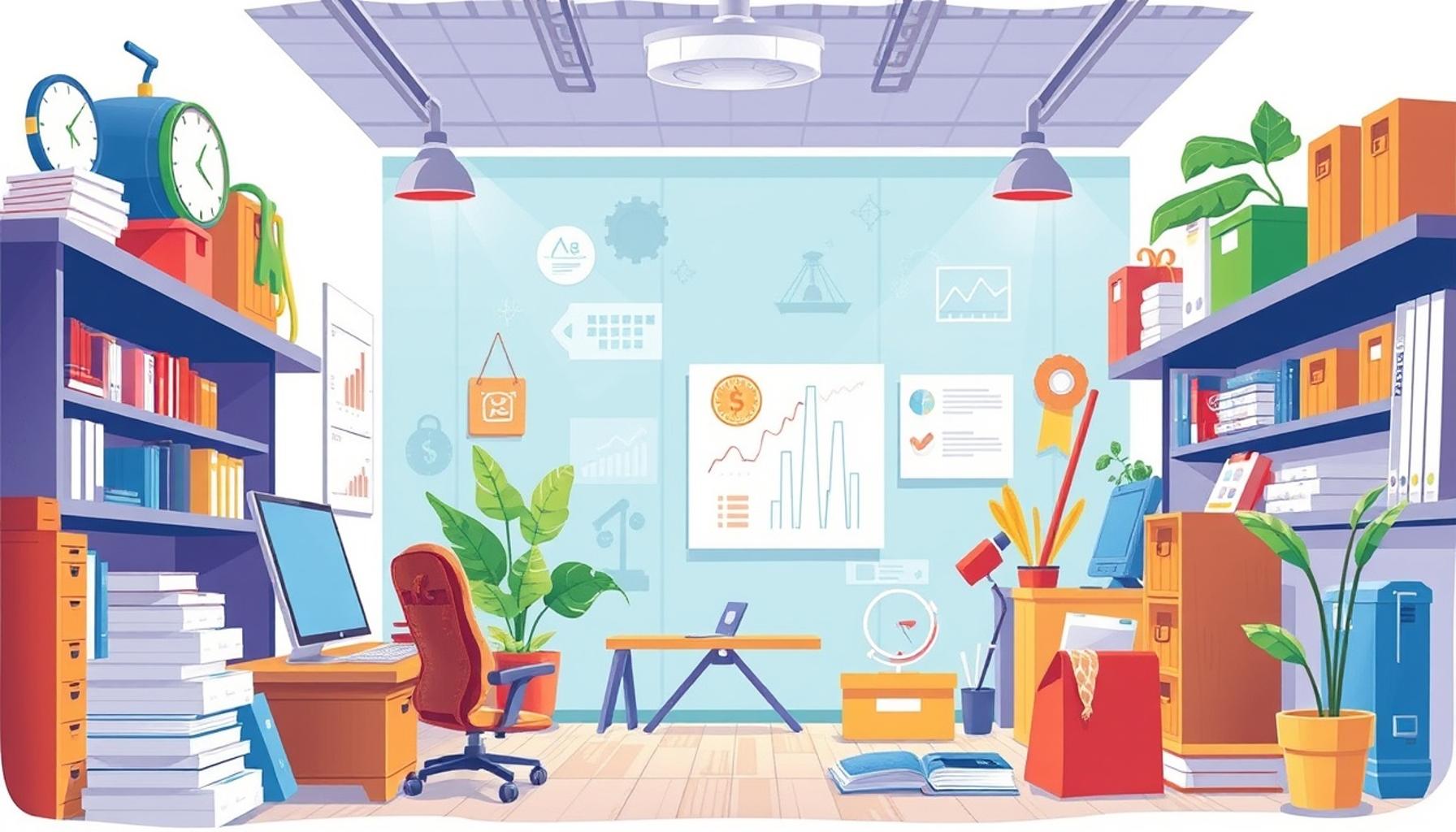
Unlocking the Potential of Small Spaces
In today’s fast-paced world, efficiency and productivity are paramount. With the rise of urban living and remote work, many individuals find themselves in smaller living and working environments, often challenged by the need to create multifunctional spaces that inspire creativity and support a variety of activities. As such, the way we design our spaces can have a significant impact on our daily lives.
The Need for Smart Design
Creating an organized space can seem daunting, yet it is essential to maximize functionality. Here are some crucial aspects to consider:
- Adaptability: Small spaces should accommodate different tasks, from work to relaxation. For instance, a dining table can double as a desk or a sofa can transform into a guest bed. Look for furniture that can easily transition between uses, such as a Murphy bed that folds into the wall to free up floor space during the day.
- Storage Solutions: Utilize vertical space and hidden compartments for maximum efficiency. Consider wall-mounted shelves for books and decor, or ottomans and benches with hidden storage for items such as blankets, magazines, or workspace essentials. Under-bed storage can also be invaluable in a small apartment.
- Visual Cohesion: Maintaining a consistent aesthetic can enhance focus and well-being. Select a cohesive color palette and matching decor that reflects your style while avoiding visual clutter. Incorporating mirrors can also create an illusion of more space, reflecting light and making the area feel larger.
Why It Matters
High functionality in compact environments translates to better productivity and mental clarity. Whether it’s a tiny studio apartment or a shared home office, prioritizing organization can lead to significant benefits:
- Increased Efficiency: A well-organized workspace reduces time spent searching for items. For example, a designated area for office supplies and tech gadgets can help to streamline your work process.
- Enhanced Creativity: Inviting designs foster innovation and inspire new ideas. Bright colors, personal artwork, or unique decor can trigger positive emotions and fuel creativity.
- Stress Reduction: Decluttered environments promote tranquility and focus. A recent study indicated that cluttered homes can increase levels of cortisol, a stress hormone, further emphasizing the importance of creating a serene space.
As we delve into the art of organizing multifunctional spaces, we’ll explore practical tips and strategies that cater specifically to the challenges faced in smaller living environments. With thoughtful design and a commitment to organization, anyone can transform their small space into an efficient and aesthetically pleasing haven, enhancing their overall quality of life.
DISCOVER MORE: Click here to enhance your planning skills
Strategies for Crafting Efficient Multifunctional Spaces
As we navigate the complexities of modern living, the ability to adapt our environments becomes crucial. Creating a space that serves multiple purposes not only enhances utility but also contributes to personal satisfaction and productivity. Here are some strategic approaches to mastering the art of organizing multifunctional spaces:
1. Smart Zoning
One of the cornerstones of effective space management is zoning. This approach involves dividing a single area into distinct zones that cater to different activities, allowing for seamless transitions between work and leisure. For example, in a studio apartment, consider using rugs or furniture arrangements to differentiate the sleeping area from the workspace. This visually and functionally delineates each space, mentally preparing you for varying tasks throughout the day.
2. Flexible Furniture Choices
Investing in flexible furniture can dramatically increase functionality. Look for items that can do more than one job. A small, collapsible table can serve as both a dining surface and a desk, while stackable chairs can be easily stored when not in use. Sofas that convert into beds provide a comfortable seating option while accommodating guests overnight. This versatility maximizes your space without sacrificing comfort and style.
3. Personalization Within Limits
While personalization is essential for creating a welcoming atmosphere, it’s important to keep it balanced. A curated selection of decor can reflect your personality and make your compact environment feel more like home without creating a sense of clutter. Consider the following tips:
- Choose Functional Decor: Items that serve a purpose—like decorative storage baskets or stylish wall hooks—can enhance the aesthetic while keeping your space organized.
- Limit Color Palette: Stick to a cohesive palette to create visual harmony. Too many contrasting colors can confuse the eye and make a small space feel even smaller.
- Incorporate Multi-use Elements: Artwork that doubles as extra storage or a small bookshelf that serves as a room divider can add flair while maximizing utility.
4. Emphasizing Natural Light
Natural light plays a vital role in how a space feels and functions. It can elevate mood, enhance focus, and create an illusion of spaciousness. Keep curtains light and airy to allow sunlight to filter through while using mirrors to bounce light around the room. Position your workspace near a window for a refreshing and energizing view, which can boost productivity during work hours.
By employing these strategies, you can create multifunctional spaces that reflect your style and elevate your productivity. As we explore further into the art of organizing, we will delve deeper into innovative solutions that help reclaim precious square footage while ensuring that every inch counts.
The Benefits of Multifunctional Spaces
When it comes to enhancing productivity in compact environments, the ability to transition seamlessly between different functions within a single space is invaluable. This approach not only tackles the challenges of limited square footage but also promotes an efficient lifestyle that suits the modern individual.
Versatility and Innovation
Versatility in design is a major strength of multifunctional spaces. Furniture that can serve multiple purposes—like a sofa that converts into a bed or a desk that doubles as a dining table—maximizes the utility of limited areas. This change brings innovation to everyday routines, encouraging inhabitants to adopt a more flexible mindset.
Enhanced Focus and Reduced Clutter
A structured layout reduces distractions and retains focus. Multifunctional spaces that encourage organization through built-in storage solutions enable users to keep their environments tidy. When clutter is minimized, achieving a clear mental state becomes much easier, allowing for optimal productivity. Integrated storage solutions, such as wall-mounted shelves and under-bed drawers, further enhance this benefit by promoting a sense of order without sacrificing style.
Cost-Effectiveness and Sustainability
Adopting a multifunctional design not only saves space but also proves to be cost-effective. By investing in fewer yet more versatile furnishings, individuals can direct their resources toward high-quality pieces that stand the test of time. Furthermore, the shift towards multifunctionality encourages sustainability. Fewer items mean less waste, contributing positively to environmental health.
Community and Interactivity
Finally, these spaces foster a sense of community and interaction. Shared common areas in multifunctional living environments encourage collaboration, creativity, and social connection. This dynamic configuration can greatly enhance productivity by promoting networking and the sharing of ideas among individuals who occupy the same space. With the underlying principle of maximizing utility without sacrificing comfort, the art of organizing multifunctional spaces goes far beyond aesthetics. It embodies a lifestyle choice that can lead to improved productivity and overall satisfaction in compact environments.
| Aspect | Key Benefits |
|---|---|
| Versatility | Furniture that serves multiple purposes enhances functionality in limited spaces. |
| Cost-Effectiveness | Investing in fewer pieces saves money and contributes to sustainability. |
| Enhanced Focus | A tidy space fosters a clear mind, improving productivity and creativity. |
| Community | Shared spaces encourage collaboration and social interactions among residents. |
DIVE DEEPER: Click here to enhance your productivity
Innovative Solutions for Enhanced Functionality
In the quest for maximizing productivity within compact environments, creativity plays a pivotal role. Embracing innovative solutions can transform ordinary spaces into extraordinary multifunctional retreats. Here are some compelling strategies that can bring new life to your organization efforts:
5. Vertical Space Utilization
When space is limited, the obvious choice is to go up. Vertical space utilization is a powerful strategy that allows one to make the most of every square inch. Wall-mounted shelves can serve as both storage and display areas for books, plants, or decorative items, keeping floor space clear. Additionally, consider using tall bookcases that reach towards the ceiling; these can house everything from office supplies to collectibles, ensuring that items are both accessible and out of the way when not in use. The vertical dimension not only saves precious floor space but can enhance the overall visual appeal of the room.
6. Dual-Purpose Areas
Creating dual-purpose areas within a room can greatly expand functionality. For instance, a corner nook can serve as an informal workspace during the day and convert into a reading area or coffee spot in the evenings. Convertible furniture, such as a Murphy bed or a fold-out desk, can make transitions between activities smoother without the need for extensive reorganizing. Furthermore, using partitions or curtains can easily separate these zones when necessary, offering both privacy and multifunctionality in a compact area.
7. Technology Integration
In today’s digital world, integrating technology into your living space is crucial for enhancing productivity. Smart home devices can help streamline daily tasks, from voice-activated assistants to programmable lighting systems that adjust according to activity. Consider installing a wall-mounted charging station that can accommodate all your devices in one place. This minimizes cord clutter and keeps essential gadgets within arm’s reach when transitioning between work and relaxation modes. An organized technology setup not only improves function but also fosters a calmer, more efficient environment.
8. Seasonal Re-evaluation
A multifaceted space benefits from regular updates, which can cater to changing needs throughout the year. Seasonal re-evaluation of space usage is essential. For example, if you work from home, consider how your needs may shift as weather changes or as you take on new projects. Revisit your organization systems, and if something isn’t working, don’t hesitate to try a new configuration or additional storage solutions. Even learning from mistakes or minor adjustments can lead to significant enhancements in productivity.
By applying these innovative solutions, you can elevate the efficiency of your multifunctional spaces even further. Each effort contributes to not just a more organized area, but also to a lifestyle imbued with purpose and clarity, proving that creativity combined with strategy leads to remarkable outcomes, even in the most compact of environments. The journey toward an optimized living or working space is an ongoing exploration that invites you to adapt and rethink what’s possible.
DISCOVER MORE: Click here to enhance your morning flow
Conclusion: Embracing the Shift Towards Multifunctionality
In a world where space is often at a premium, mastering the art of organizing multifunctional spaces is vital for enhancing both productivity and quality of life. By implementing creative solutions such as vertical space utilization, dual-purpose areas, and technology integration, individuals can transform compact environments into efficient hubs of activity. This adaptability not only maximizes the use of space but also fosters an atmosphere of versatility and inspiration.
The importance of seasonal re-evaluation cannot be overlooked, as our needs and activities continually evolve. Regularly revisiting organization strategies allows for a tailored approach, ensuring that spaces remain aligned with our current requirements and aspirations. This dynamic perspective shifts how we perceive our environment—from mere accommodation to a canvas for creativity and productivity.
Ultimately, embracing innovative organization in multifunctional spaces sets the stage for a more intentional lifestyle. As we navigate our compact settings, wishing to streamline tasks and elevate experiences, the focus remains on making each inch count. By fostering a sense of clarity and purpose, we unlock the potential for remarkable outcomes even within the most confined quarters. Thus, we invite you to embark on this journey—exploring the possibilities that lie within your environment, and creating a workspace or living space that is a true reflection of who you are and what you strive to achieve.