
Unlocking the Potential of Interior Design
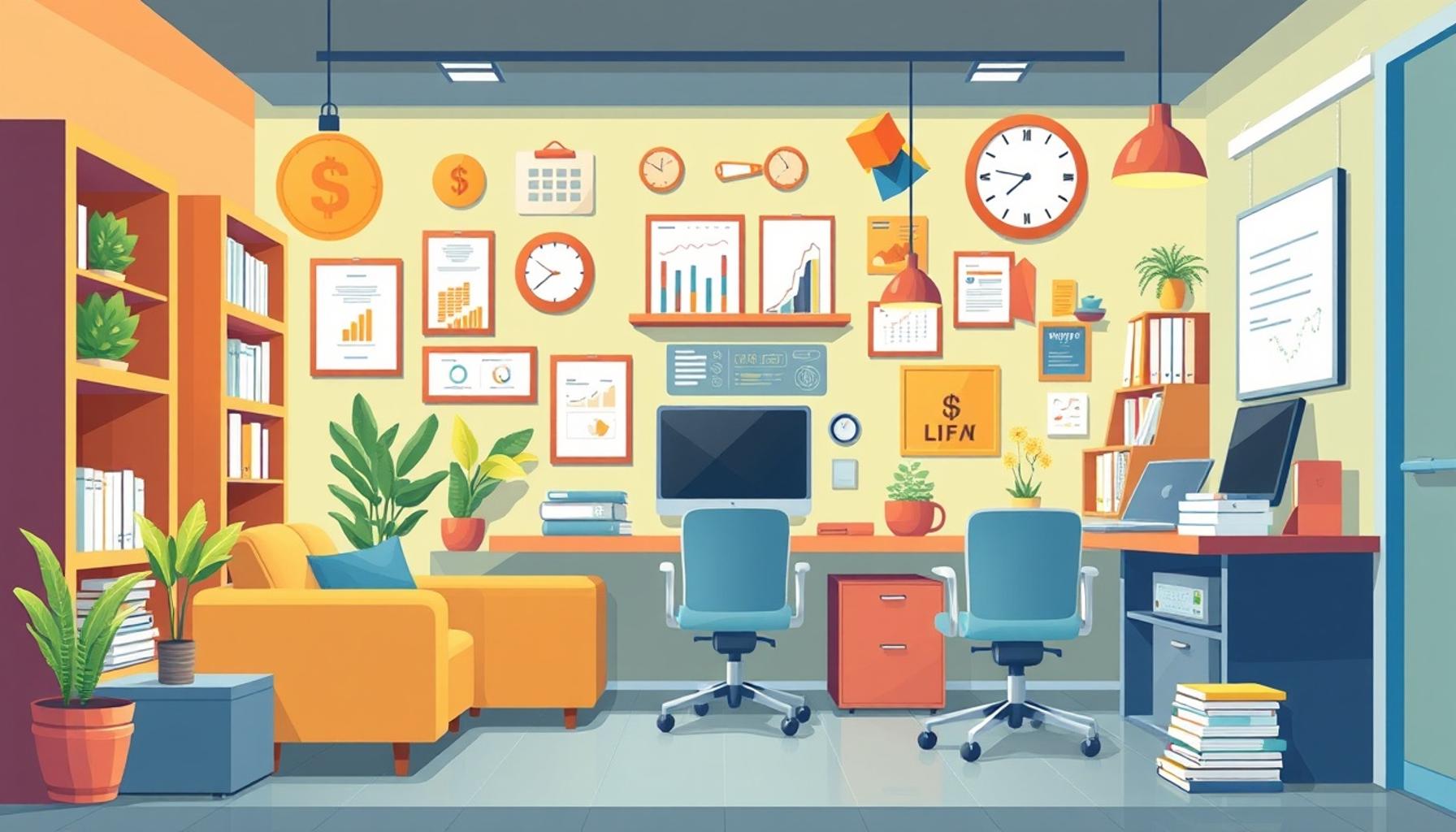
In today’s fast-paced world, the importance of organization and productivity cannot be overstated. Our living and working environments play a crucial role in shaping our daily experiences, influencing not only our efficiency but also our overall well-being. A well-designed space can serve as a catalyst, boosting our creativity and focus. The right interior design trends place a strong emphasis on functionality, all while embracing style and structure in every nook and cranny.
When it comes to cultivating a productive environment, consider the following trends that have made waves in the design community:
- Multi-functional Furniture: In urban settings where space is often at a premium, furniture that serves dual purposes has become essential. For instance, a sofa that converts into a bed or a coffee table that doubles as a storage unit maximizes utility and minimizes clutter. This not only frees up valuable space but also promotes a more organized atmosphere, especially in home offices or studio apartments.
- Decluttered Aesthetics: Minimalism is not merely a trend; it is a lifestyle choice for many. The philosophy behind minimalism offers calm and clarity, encouraging focus on the tasks at hand. By removing distractions and unwanted items, individuals can create an environment where productivity thrives. This can include simple techniques like using a monochromatic color palette, which can evoke a sense of tranquility, or adopting a less-is-more mindset when selecting décor.
- Natural Elements: Incorporating plants and natural materials like wood and stone is another technique proven to improve mood and cognitive function. Studies have shown that greenery not only purifies the air but also enhances creativity and reduces stress. An indoor garden or even a few potted plants can transform an ordinary office into a vibrant, inspiring workspace.
These elements not only elevate the aesthetics of a space but also lead to a more organized and efficient workflow. The evolution of interior design embraces innovative solutions that cater to the unique demands of modern living and working environments. For instance, with the rise of remote work, the need for coherent home office spaces has never been greater.
As we delve further into this discussion, you will begin to discover how to practically implement these trends into your own space. Transforming your surroundings doesn’t have to be overwhelming; small, intentional changes can lead to significant improvements. From adopting minimalism to choosing the right multi-functional pieces, the potential for creating a harmonious balance between organization and productivity is in your hands. By exploring these innovative designs, you can turn your everyday environment into an inspiring, efficient haven that not only looks good but feels good too.
DIVE DEEPER: Click here to discover more
Embracing Functional Design for Enhanced Workflow
As the demands of modern living continue to evolve, interior design trends are shifting towards solutions that not only beautify spaces but also enhance organization and productivity. One standout approach is the integration of technology into everyday design. Smart home devices and automated systems can streamline routines, turning a standard office or home into a more intuitive environment. Smart desks that adjust height at the touch of a button or lighting systems that adapt to natural light levels can create a more responsive workspace, ultimately contributing to a more efficient workflow.
Another trend gaining traction is the concept of zoning within open spaces. As many people transition to remote work, the line between home and office has blurred. To combat distractions and enhance focus, designers are creating specific zones within larger areas. This might include using area rugs to define different sections of a room or incorporating dividers such as bookshelves or plants that act as barriers while maintaining an airy look. Effective zoning not only minimizes noise and interruptions but also provides a physical cue that signals to individuals when it’s time to focus.
- Color Psychology: The colors we choose for our spaces can significantly affect our moods and productivity. Warm tones like yellows and oranges can energize, while cool shades like blues and greens tend to calm and promote concentration. By carefully selecting colors based on their psychological effects, one can create an inviting atmosphere conducive to task completion.
- Ergonomic Design: An underappreciated trend in interior design, ergonomics plays a vital role in maintaining productivity. Investing in ergonomic chairs, desks, and accessories can prevent discomfort and increase focus. By aligning the workspace with the body’s natural posture, individuals are likely to experience improved efficiency and reduced fatigue during long working hours.
- Creative Storage Solutions: The traditional filing cabinet is becoming a relic of the past as innovative storage solutions emerge. Floating shelves, hidden cabinets, and modular storage systems provide easier access to essential items while keeping surfaces clear. Such organization helps create a visually appealing environment that fosters creativity and quick decision-making.
These trends underscore a growing understanding that environments can significantly influence both mental sharpness and overall productivity. As you consider redesigning your space, think about how integrating these elements can lead to a more organized atmosphere tailored to your specific needs. Whether it’s harnessing the power of smart technology or tapping into the benefits of well-thought-out zoning, the choices you make can transform whether a space feels chaotic and overwhelming or calm and productive.
Exploring Interior Design Trends for Enhanced Organization and Productivity
As we delve deeper into the realm of interior design, certain trends emerge that have a profound influence on organization and productivity. Creating a space that fosters concentration and efficiency is paramount, especially in our increasingly busy lives. Here, we explore some of the emerging trends that not only beautify our environments but also optimize functionality.
| Design Trend | Impact on Organization & Productivity |
|---|---|
| Minimalism | Encourages simplicity and decluttering, leading to a clear mind and enhanced focus. |
| Multifunctional Spaces | Maximizes utility, allowing areas to serve various purposes which can streamline daily tasks. |
| Biophilic Design | Integrates natural elements that can boost mood and enhance cognitive function. |
These trends emphasize the significance of creating environments that are tailored to the individual’s needs. For instance, minimalism not only declutters the visual landscape but also promotes mental clarity, which is essential for goal-oriented activities. Similarly, incorporating multifunctional spaces ensures that every corner of a room is utilized effectively, reducing the chaos that often accompanies busy lifestyles.
Moreover, biophilic design, with its focus on connecting indoors with nature, has been shown to improve overall well-being. The presence of plants, natural light, and organic materials can significantly uplift one’s mood and productivity levels. As we explore these elements, it becomes clear that successful interior design must address both aesthetic enjoyment and practical functionality to create spaces that inspire.
DIVE DEEPER: Click here to enhance your productivity
Innovative Materials and Natural Elements
As interior design trends evolve, there is an increasing focus on materials that not only promote aesthetic appeal but also contribute to a productive environment. Natural materials, such as wood, stone, and even bamboo, are becoming staples in many workspaces. They not only provide warmth and texture but also help in creating a calming atmosphere that can reduce stress. For example, wooden desks and cabinetry promote a sense of connection with nature, which studies have shown can lead to enhanced well-being and focus.
Furthermore, the use of sustainable materials is gaining popularity, reflecting a collective push toward eco-conscious living. Biodegradable products and furnishings made from recycled materials not only reduce the environmental footprint but also reflect a commitment to health—both for individuals and the planet. By creating an eco-friendly workspace, individuals can experience a sense of purpose that can significantly enhance motivation and productivity.
Multi-Functional Spaces and Furnishings
Another emerging trend is the design of multi-functional spaces. With the growing trend in urban living, where square footage is often at a premium, it’s essential to design spaces that serve multiple purposes. This might include a guest room that doubles as an office or a living area that can be adapted for work and leisure. Transformable furniture—like sofa beds, foldable desks, or expandable tables—maximizes utility while minimizing clutter, thus promoting both organization and efficiency.
Designers are now focusing on pieces that seamlessly blend into various environments without sacrificing style or functionality. For instance, a sleek bookshelf can serve as a room divider while providing essential storage space for books and office supplies. Quick adaptations between home and work functions are vital for maintaining productivity, especially for those who juggle multiple roles throughout the day.
The Importance of Lighting
Lighting plays a crucial role in productivity and organization, supporting effective workspace design. Natural light is widely considered the best source, as it helps regulate circadian rhythms and boosts mood. Ideally, workspaces should be oriented in a way to maximize exposure to natural light. However, when natural lighting is limited, the careful selection of fixtures and bulbs is essential.
Trends such as layered lighting, which combines ambient, task, and accent lighting, can create a visually dynamic environment that minimizes eye strain and enhances concentration. Consideration of light levels, color temperature, and flexible lighting arrangements means environments can be adjusted for various tasks throughout the day, further enhancing productivity.
- Biophilic Design: Incorporating elements of nature not only improves aesthetics but also fosters creativity and reduces stress. Bringing plants into workspaces or utilizing outdoor views can create a refreshing atmosphere that promotes focus.
- Open Shelving: This trend, while it requires careful organization, can create visually appealing storage solutions that keep frequently used items accessible, thus minimizing disruption during busy work periods.
- Personalization Zones: Allowing individuals to personalize their workspaces can lead to increased job satisfaction and productivity. Simple elements, like photos or motivational quotes, can foster a sense of ownership and motivation.
These interior design trends emphasize the importance of creating thoughtful environments that promote both organization and productivity. With an array of strategies—ranging from the incorporation of natural materials to innovative lighting and multi-functional spaces—individuals can craft settings that not only serve their practical needs but also inspire creativity and efficiency.
DISCOVER MORE: Click here to deepen your understanding
Conclusion: Crafting Spaces for Success
In conclusion, the convergence of interior design trends centered on organization and productivity reveals a transformative approach to modern living and working spaces. By utilizing natural materials and embracing sustainability, individuals can create environments that nurture both physical health and mental well-being. The growing momentum towards multi-functional furnishings addresses the necessity for adaptability in our increasingly compact urban lifestyles, ensuring that every corner of a space serves a purpose without overwhelming chaos.
Furthermore, effective lighting—especially the strategic use of layered lighting—is essential for enhancing focus and improving mood. The integration of biophilic design elements brings about a refreshing connection to nature, promoting creativity and reducing daily stressors. Open shelving and personalized zones encourage organization, making it easier to maintain a conducive environment for both work and relaxation.
These insights compel us to rethink our approach to our living and workspaces. By embracing these innovative trends, we not only optimize our immediate surroundings but also pave the way for improved productivity and enriched life experiences. With each design choice, we can craft our environments to reflect not just our personal style but also our aspirations and need for functionality. So, let your space tell your story, as you embrace the power of design to enhance your organization and productivity.