
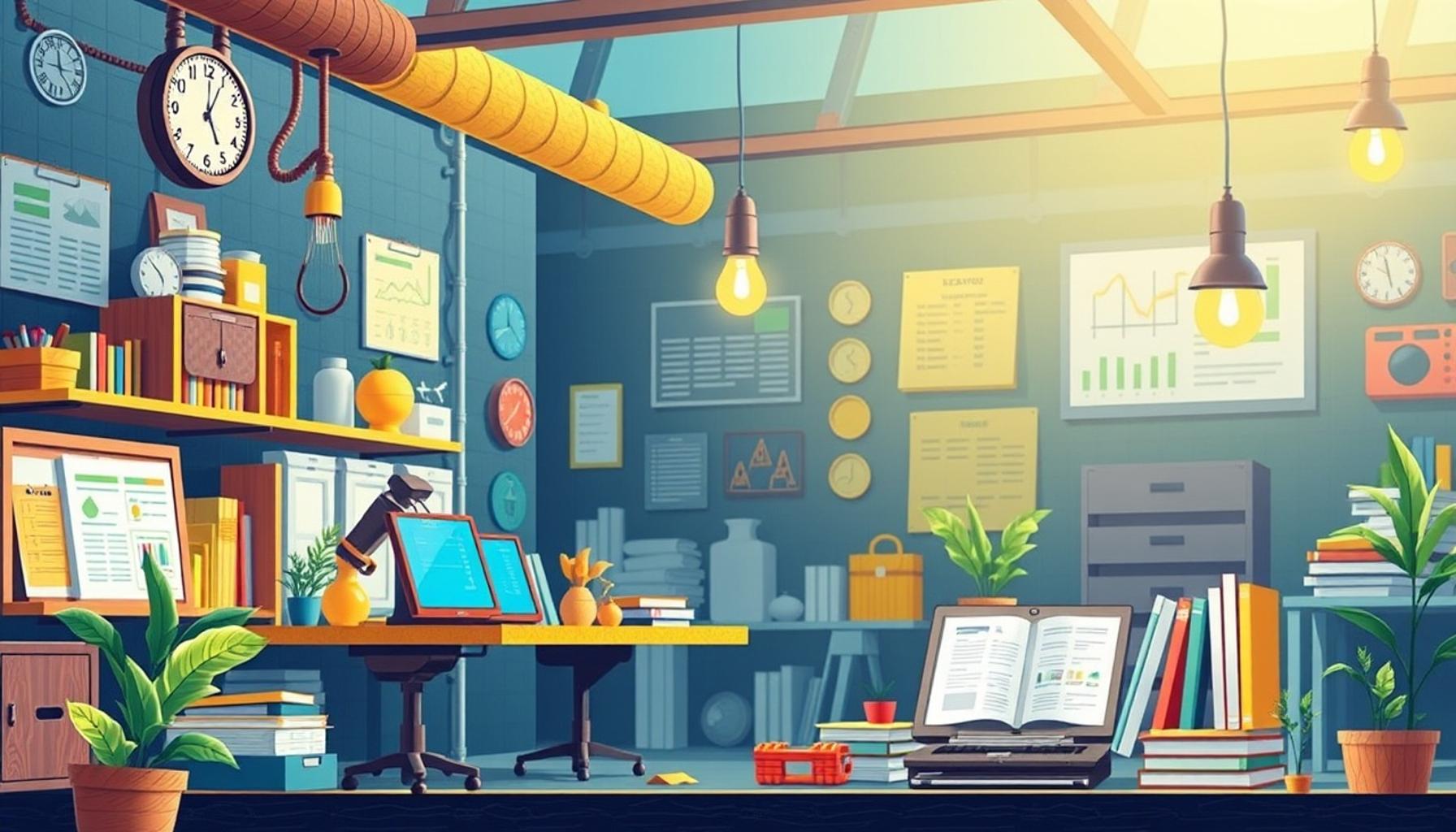
Exploring the Impact of Lighting in Workspaces
Lighting plays a pivotal role in defining the atmosphere and functionality of a workspace. The right lighting can enhance creativity, improve focus, and boost overall productivity. Recognizing this connection is vital for businesses and individuals alike. For instance, employees who work in well-lit environments report feeling more motivated and engaged in their tasks, ultimately leading to higher quality work.
Consider the following highlights about lighting and its influence:
- Types of Lighting: Natural, ambient, task, and accent lighting each serve distinct purposes. Natural lighting, for example, can be harnessed through large windows or skylights, providing a connection to the outside world that can invigorate workers. Ambient lighting generally comprises overhead fixtures that illuminate the entire room, while task lighting focuses on specific work areas, such as desk lamps or under-cabinet lights in kitchens. Accent lighting adds visual interest and highlights architectural features or artwork, contributing to a more dynamic workspace.
- Effects on Mood: Studies show that well-lit spaces can uplift spirits and reduce fatigue. Research conducted by the Interior Design Institute highlights that exposure to natural daylight contributes to improved mood and increased alertness. In contrast, harsh fluorescent lighting can lead to discomfort and irritability, making it crucial for businesses to consider light quality in their workspace design.
- Spatial Organization: Effective lighting strategies help to delineate work areas, increasing efficiency. By employing different layers of lighting, such as using task lighting at workstations and ambient lighting in communal areas, businesses can encourage collaboration while still focusing on individual tasks. A well-organized lighting plan serves not only functional purposes but also enhances the aesthetic value of an office layout.
In the United States, many companies have begun investing in advanced lighting solutions, not just to cut costs, but to boost employee well-being. For example, adjustable lighting options utilizing both LEDs and smart technology have become increasingly popular. These innovations allow users to tailor their environments to suit personal preferences, fostering a more personalized work experience. Smart lighting systems can adapt to the time of day, mimicking natural light patterns that help regulate circadian rhythms, which are essential for maintaining energy levels and mental acuity.
This article will delve into how lighting impacts organization and work efficiency, exploring practical tips for optimizing your spaces. For example, utilizing dimmable lights or LED options can allow employees to customize their environments based on the tasks at hand, promoting optimal focus during detailed work. Equip yourself with knowledge that could transform your workspace into a more effective and enjoyable environment.
DISCOVER MORE: Click here for essential time management tips
The Role of Lighting in Space Organization
When we think about the layout and organization of a workspace, lighting often takes a back seat in the planning process. However, the strategic placement and type of lighting can significantly enhance how a space functions. Lighting is more than just a means to illuminate; it can create boundaries, highlight areas of importance, and even dictate the flow of movement throughout an office environment. Understanding these dynamics is crucial for anyone looking to maximize not only organization but also overall work efficiency.
A well-organized workspace utilizes lighting layers to optimize both individual and collaborative tasks. Different areas within an office have distinct needs that can be addressed through tailored lighting solutions. Here are key elements to consider in your lighting strategy:
- Task Lighting: Concentrated and directed, task lighting is essential for workstations where focus is paramount. This type of lighting minimizes glare and shadows, allowing employees to perform detailed tasks comfortably and without strain.
- Ambient Lighting: Ambient or general lighting serves as the foundation for illumination in a space. It is vital for creating an inviting atmosphere, as it provides the overall brightness needed for spatial awareness. Incorporating dimmable options can help to modify the intensity based on the time of day or the specific tasks at hand.
- Natural Light: Harnessing natural light can have a profound impact on workplace organization. Not only does it enhance the aesthetic appeal, but it also promotes well-being. Offices designed with large windows or glass walls can invigorate employees by maintaining a connection to the outdoors.
- Accent Lighting: Accent lighting can be used judiciously to highlight specific features in your workspace. Whether it’s artwork, team collaboration zones, or individual recognition areas, this type of lighting adds visual interest and can help foster a more engaging work environment.
Research indicates that office spaces designed with varied lighting environments inspire creativity and collaboration. A study from the American Psychological Association found that employees in well-lit workplaces had a 15% increase in productivity compared to those working under less favorable conditions. Furthermore, spaces that accommodate different lighting preferences allow employees to personalize their work setting, fostering a sense of ownership and comfort.
Employers should also consider the psychological aspects of lighting in organizational settings. For example, warm lighting can create a cozy atmosphere that encourages open discussions and teamwork, while cooler tones are often better for analytical tasks requiring focus and precision. Balancing these psychological effects with the functional needs of the workspace is essential in designing an effective organizational structure.
In conclusion, lighting serves as a powerful tool in both space organization and enhancing work efficiency. By thoughtfully integrating various types of lighting, organizations can create environments conducive to productivity, creativity, and overall employee satisfaction. The investment in innovative lighting solutions is not just about aesthetics; it’s about fostering an atmosphere that maximizes performance.
As we delve deeper into the influence of lighting on space organization and work efficiency, it becomes evident that not just the presence of light, but its quality and distribution are pivotal. Properly designed lighting can shape how spaces are perceived and utilized, ultimately enhancing productivity.
Recent studies have shown that natural light, or lighting that mimics its qualities, plays a significant role in boosting employee morale and cognitive function. A workspace flooded with natural light can help reduce fatigue and increase focus. Additionally, the strategic use of artificial lighting can be adjusted to complement the tasks at hand. For instance, bright white lights can invigorate and support high-energy activities, while softer hues can create a more relaxed environment suited for brainstorming or team discussions.
Moreover, the layout of light fixtures can directly impact how an area is navigated. Bright lighting can delineate zones, helping employees intuitively understand the flow of the workspace. The benefits of integrating lighting design with space organization extend beyond appearance; they also touch on health outcomes. Poor lighting conditions have been linked to headaches and eye strain, which can lead to decreased work efficiency. By ensuring appropriate lighting levels, organizations can advocate for a healthier work environment.
| Advantages of Optimal Lighting | Impact on Space Organization |
|---|---|
| Enhances mood and productivity | Clear delineation of work zones improves workflow |
| Improves energy levels and reduces fatigue | Guides movement and interactions in a space |
By understanding and implementing effective lighting strategies, companies can curate environments that enhance productivity, foster collaboration, and ensure the wellbeing of their workforce. This intersection of lighting design and workspace organization offers a promising avenue for improving overall efficiency in professional settings.
DISCOVER MORE: Click here for tips on optimizing your daily routine
The Impact of Lighting on Work Efficiency
Beyond the spatial organization, the influence of lighting on work efficiency cannot be understated. The right lighting conditions are not merely about visibility; they directly affect employee performance, morale, and overall health. Various studies have demonstrated that workplaces designed with optimized lighting can achieve remarkable increases in productivity. For example, according to a report from the International Journal of Occupational and Environmental Health, well-lit environments can lead to a 23% decrease in errors in tasks that require careful attention and detail.
A key aspect of improving work efficiency through lighting is the balance of natural and artificial light. Research shows that exposure to natural light during work hours is linked to enhanced concentration and reduced fatigue. In fact, a study by the Harvard Business Review revealed that employees who had access to natural light reported a 51% decrease in eyestrain, headaches, and drowsiness. This suggests a direct correlation between optimal lighting conditions and overall employee well-being. In workplaces without sufficient access to natural light, employees often compensate by dimming overhead lights or relying solely on task lamps, potentially leading to fatigue and reduced output.
Moreover, the integration of color temperature in lighting schemes plays a vital role in determining productivity levels. Warmer light, which generally falls between 2700K to 3000K, can be inviting and comfortable, perfect for collaborative spaces that foster communication. On the other hand, cooler light temperatures exceeding 5000K offer a crisp, energizing environment suited for high-focus tasks, bolstering creativity during brainstorming sessions and intensive projects. A comprehensive study conducted by the Lighting Research Center found that workplaces with adjustable light settings reported a 40% increase in productivity, emphasizing the need for adaptable lighting solutions tailored to various job functions.
Furthermore, incorporating circadian rhythm-friendly lighting solutions can yield substantial benefits. This approach mimics natural daylight cycles to align with the body’s internal clock, enhancing alertness during working hours and promoting better sleep quality at night. Not only does this support improved cognitive function, but it can also significantly reduce burnout, allowing employees to remain engaged and productive throughout their workday. Employers embracing this trend are increasingly opting for smart lighting systems that automatically adjust brightness and color temperature based on the time of day, fostering a healthier work atmosphere.
It is also worth noting that ensuring ample redundant lighting is crucial in organized spaces. Multiple light sources help reduce the risk of shadows and glare, creating consistency that keeps employees focused and productive. Moreover, this level of consideration in design can lead to fewer accidents and injuries by providing clearer sightlines throughout the office, particularly in high-traffic areas.
Ultimately, the effects of lighting on space organization and work efficiency present a substantial opportunity for businesses aiming to optimize their work environment. Investing in advanced lighting solutions could transform an ordinary workspace into a beacon of productivity, establishing a foundation for success in today’s fast-paced work culture.
DON’T MISS: Click here to uncover the secrets of effective goal setting
Conclusion
In summary, the influence of lighting on space organization and work efficiency is a multifaceted concept that warrants significant attention from businesses and designers alike. As we’ve explored, the choice and arrangement of lighting can profoundly impact not only the aesthetic appeal of a space but also the productivity levels and well-being of employees. The balance between natural and artificial light, paired with appropriate color temperatures, can create tailored environments that foster creativity, focus, and collaboration.
Moreover, the adoption of circadian rhythm-friendly lighting has become an innovative approach to enhance employee performance while addressing health concerns associated with modern work life. This dynamic interplay between lighting and spatial organization goes beyond mere function; it offers valuable insights into how thoughtful design can elevate the overall work experience.
As organizations strive to optimize their work environments, the integration of advanced lighting solutions is a pivotal step toward achieving higher productivity and employee satisfaction. By prioritizing lighting infrastructure, companies can cultivate spaces that not only meet the practical needs of work but also promote a positive and engaging atmosphere. Hence, the journey towards improved work efficiency starts with the flick of a switch—illuminating the path to success in today’s competitive landscape.