
The Importance of a Balanced Diet for Pet Health: Essential Nutrients and Supplements
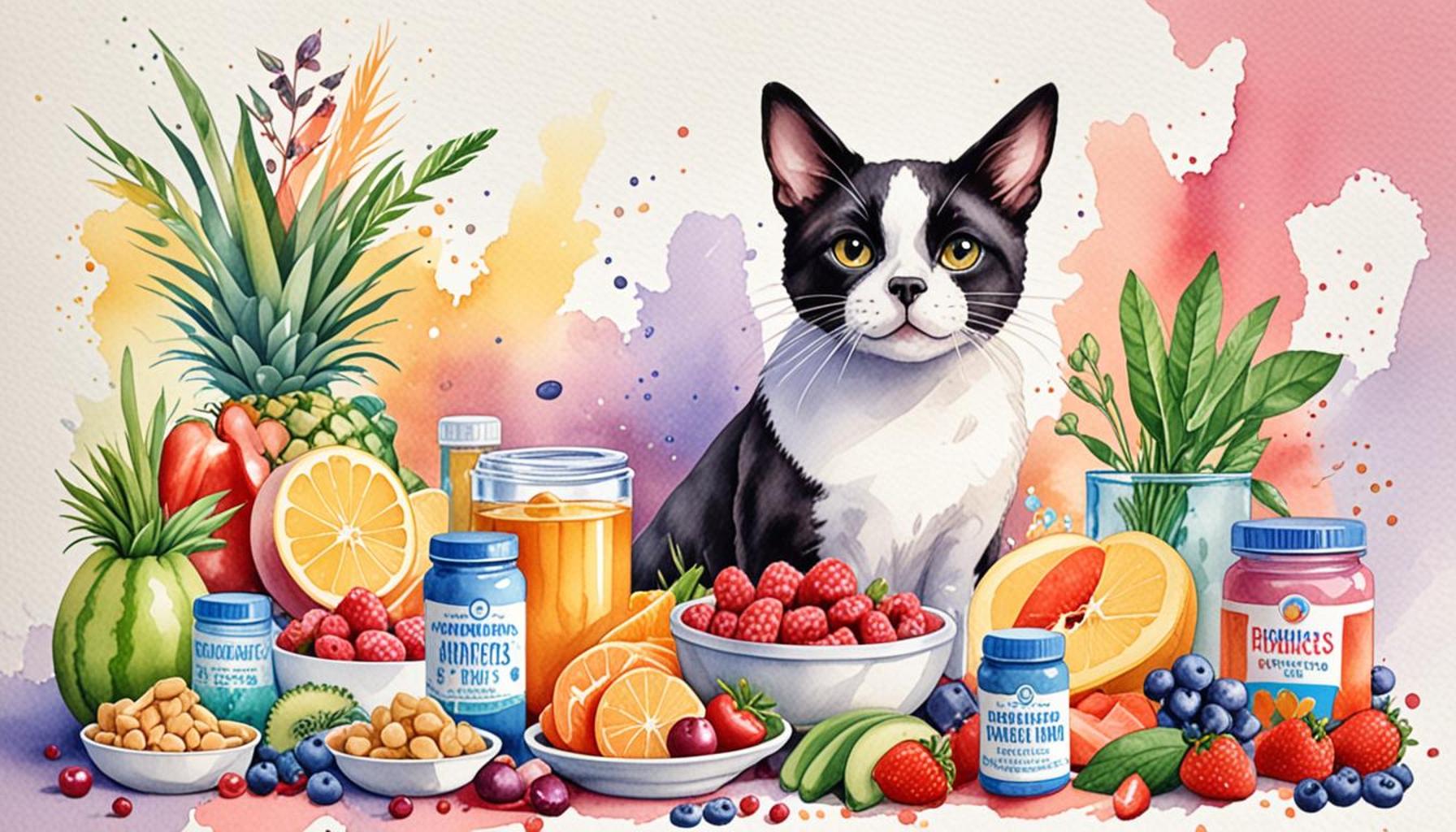
Understanding the Building Blocks of Your Pet’s Diet
Every devoted pet owner wishes for a lively and healthy companion that brings joy to their home. One of the most effective ways to ensure your pet’s well-being is by understanding the importance of a balanced diet. A nutritious diet not only aids in physical health but also enhances emotional stability, contributing to a happier, more energetic pet.
The Essential Nutrients
A balanced diet for pets incorporates a plethora of essential nutrients necessary for their optimal well-being. Here are some of the fundamental components:
- Proteins: These are the basic building blocks for your pet’s growth and repair. Proteins provide amino acids which are vital for cellular function and development. High-quality protein sources include chicken, fish, and beef.
- Fats: Serving as a concentrated source of energy, fats are crucial for maintaining healthy skin and a shiny coat. Omega-3 and Omega-6 fatty acids, commonly found in fish oil and flaxseed, also play a significant role in reducing inflammation.
- Carbohydrates: While not always recognized as vital, carbohydrates can provide energy and aid in digestion, particularly through fiber-rich sources such as sweet potatoes and brown rice. These not only fuel your pet’s activities but also support digestive health.
- Vitamins: Essential vitamins such as A, D, E, and K, alongside B-vitamins, are critical for various biological functions, including immune response and metabolic processes. Fresh fruits and vegetables can serve as excellent sources of these vitamins.
- Minerals: Important for bone health and various metabolic processes, minerals like calcium and phosphorus are especially necessary for growing pets. Chews such as bones can provide these essential nutrients naturally.
Enhancing Diet with Supplements
Furthermore, many pet owners often overlook the role of supplements. These can significantly enhance a pet’s nutrition by:
- Boosting immune function: Supplements rich in antioxidants, like vitamins C and E, can fortify your pet’s immune system, helping them fend off common illnesses.
- Supporting joint health: Supplements containing glucosamine and chondroitin are particularly beneficial for aging pets, providing relief from joint stiffness and ensuring mobility.
- Improving coat condition: Fatty acid supplements can lead to a more vibrant and lustrous coat, reducing shedding and skin irritation.
The Importance of Knowledge
With a plethora of options available in the market, selecting the right nutrients and supplements for your pet can be a daunting task. Educating yourself on best practices is essential for ensuring your pet lives a long, healthy life. Seek guidance from your veterinarian, research the nutritional needs of your specific pet breed, and stay updated with the latest in pet nutrition. Remember that a balanced diet is not just about feeding your pet; it is a commitment to their overall health and happiness.

Diving into the details about how a well-rounded diet can be the key to your pet’s longevity and happiness is worthwhile. As pet owners, nurturing a thriving life for our furry friends is undoubtedly one of our greatest responsibilities.
LEARN MORE: Click here to discover the importance of pet vaccinations
Nourishing Your Pet: The Key Components of a Healthy Diet
When we think about our pets, their happiness and vitality are often at the forefront of our minds. However, achieving this requires more than just love and affection; it necessitates an understanding of essential nutrients that feed their bodies and minds. Each pet possesses unique nutritional needs that can vary by breed, age, or health status, making it essential for pet owners to adopt a tailored approach to diet.
Understanding Macronutrients
The foundation of a balanced diet is made up of three primary macronutrients: proteins, fats, and carbohydrates. These macronutrients not only fuel your pet’s everyday activities but also play crucial roles in their overall health:
- Proteins: Essential for maintaining strong muscles and promoting tissue repair, proteins are vital at all life stages. Pets require a variety of amino acids that are derived from high-quality protein sources such as turkey, lamb, and eggs. Additionally, pets, particularly puppies and kittens, often need a higher protein percentage to support growth.
- Fats: These are not just energy providers; they are also vital for maintaining skin health and ensuring a glossy coat. Including sources of healthy fats, such as chicken fat and fish oil, enhances nutrient absorption and supports cognitive function.
- Carbohydrates: While some may question the need for carbohydrates in a pet’s diet, they serve many functions, from providing a quick energy source to promoting digestive health. Opting for wholesome grains like brown rice, barley, or quinoa can aid digestion and provide essential fibers for your pet.
Micronutrients and Their Impact
Alongside macronutrients, micronutrients—vitamins and minerals—carry immense importance. These tiny but mighty components ensure that biological processes function correctly and that your pet thrives:
- Vitamins: A variety of vitamins contribute to vision, immune health, and skin integrity. For instance, Vitamin A is essential for vision and skin health, while the B-vitamins play critical roles in energy production.
- Minerals: Minerals such as calcium and potassium are indispensable for maintaining strong bones and muscle health. Regular slots of high-quality kibble often contain these essential nutrients, ensuring your pet receives an adequate intake.
In the quest for pet health, it is essential to remember that variety is key. Just as humans thrive on a diverse diet, pets benefit from a mix of nutrients derived from various food sources. Regular consultations with a veterinarian can provide invaluable insights into the optimal nutritional profile for your pet based on their specific needs.
As we explore deeper into the realm of pet nutrition, it becomes clear that understanding and implementing a balance of macronutrients and micronutrients can set the stage for a long, healthy life filled with adventure and companionship. Being informed is the first step towards making constructive dietary choices that will resonate with the vitality and happiness of your furry family member.
A balanced diet plays a crucial role in maintaining your pet’s overall health and wellbeing. Just like humans, pets require a variety of essential nutrients to support their bodily functions and to thrive. Key components of a balanced diet include proteins, carbohydrates, fats, vitamins, and minerals, all of which contribute to a pet’s energy levels, immune system function, and muscle development.
Proteins are particularly important for pets, as they are the building blocks of body tissues. Pets need high-quality protein sources to support organ function and promote healthy muscle maintenance. Essential fatty acids, found in fish oil and other natural sources, help to maintain a shiny coat and healthy skin, while also reducing inflammation.
In addition to macronutrients, vitamins and minerals are vital for various biochemical processes. For example, calcium and phosphorus are crucial for maintaining strong bones and teeth, while vitamin A supports good vision and immune function. Insufficient intake of these nutrients can lead to various health issues, including obesity, dental problems, and skin conditions.
Beyond just food, supplements can also play a vital role in enhancing your pet’s diet, ensuring they receive all essential nutrients. For example, foods rich in antioxidants can help reduce oxidative stress, while glucosamine can support joint health in aging pets. However, it’s crucial to consult with a veterinarian before adding supplements to your pet’s diet. Tailoring nutrition to individual needs can prevent deficiencies and promote longevity.
Understanding the balance of these nutrients and knowing how to combine them effectively can lead to healthier, happier pets. It encourages pet owners to explore various food options and supplement choices, prompting deeper research into the specific dietary requirements of their furry companions.
| Nutritional Component | Importance and Benefits |
|---|---|
| Proteins | Essential for tissue building, muscle maintenance, and overall health. |
| Essential Fatty Acids | Promote healthy skin and coat, and reduce inflammation in pets. |
| Vitamins | Support various bodily functions such as vision and immunity. |
| Minerals | Necessary for strong bones, teeth, and metabolic functions. |
| Supplements | Enhance nutrient intake and support joint health, especially in seniors. |
DISCOVER: Click here to learn how positive reinforcement can transform your pet’s behavior
Enhancing Pet Wellness with Supplements
While a balanced diet loaded with essential nutrients forms the foundation of your pet’s health, there are times when dietary supplements can play a crucial role in ensuring optimal well-being. Pet owners often wonder about the necessity of supplements, especially when their pet is on a nutritionally complete diet. However, circumstances such as age, breed-specific needs, or underlying health conditions may create a demand for additional nutrients.
Identifying Supplement Needs
Before rushing to the nearest pet store, it’s vital to recognize that not all pets need supplements, and an excess can even be harmful. Specific scenarios warrant the consideration of dietary enhancements:
- Age-Related Needs: Senior pets may benefit from joint support supplements like glucosamine and chondroitin, which can alleviate discomfort and promote mobility. Additionally, omega-3 fatty acids support cognitive function and overall vitality in aging pets.
- Allergies and Sensitivities: Some pets experience dietary allergies requiring specialized diets alongside targeted supplements such as probiotics to enhance gut health or omega-6 fatty acids to maintain skin integrity.
- Pregnancy and Lactation: Pregnant and nursing dogs have heightened nutritional requirements, often needing additional calcium and vitamins to support the growth and health of their puppies.
It’s essential to consult with a veterinarian before introducing any supplements to your pet’s routine. They can evaluate your pet’s unique requirements and potential deficiencies, ensuring any added products align with their health journey.
The Role of Probiotics
Among the range of supplements available, probiotics have gained notable recognition for their benefits on pet digestive health. These live microorganisms help maintain a balanced gut flora, supporting nutrient absorption and immunological functions. Whether your pet suffers from occasional gastrointestinal upset, such as diarrhea or constipation, or simply requires a digestive boost, incorporating probiotics into their diet can be immensely beneficial.
Numerous studies have indicated that the use of probiotics can lead to reduced instances of digestive disturbances, thereby improving the quality of life. Pet owners can find probiotics in various forms, including powders, tablets, or as ingredients in specially formulated pet foods.
Choosing Quality Supplements
In a world overflowing with pet products, discerning quality becomes paramount. Not all supplements are created equal. When selecting supplements for your pet, consider the following criteria:
- Ingredient Transparency: High-quality supplements provide clear labeling of ingredients, along with transparent sourcing information.
- Certifications: Look for products with certifications from reputable organizations that ensure safety and efficacy.
- Manufacturer Reputation: Research the brand’s history, customer reviews, and the backing of veterinary opinions.
By focusing on quality ingredients and reputable brands, you increase the likelihood of giving your pet beneficial supplements that bolster their health rather than compromising it.
In summary, striking a balance between a wholesome diet and appropriate supplements can play a transformative role in maintaining your pet’s health. Knowledge about your pet’s specific nutritional needs empowers you to make informed decisions, enhancing their quality of life and longevity. Armed with this understanding, you can embark on a proactive path toward nurturing your furry friend’s well-being.
LEARN MORE: Click here for insights on balanced pet diets
Conclusion: A Holistic Approach to Pet Nutrition
In conclusion, the significance of a balanced diet for pet health cannot be overstated. By ensuring that your furry companion receives essential nutrients—ranging from proteins and fats to vitamins and minerals—you pave the way for a longer, healthier life. Recognizing the unique dietary requirements of your pet based on factors such as age, breed, and health condition is vital for crafting the most beneficial diet.
The inclusion of dietary supplements can further enhance your pet’s wellness, particularly for those experiencing age-related challenges, allergies, or reproductive needs. Supplements such as probiotics serve as powerful allies in promoting digestive health and boosting immunity, allowing your pet to thrive in their unique environment. However, before making any changes or additions to their diet, consultation with a veterinarian is always recommended to avoid potential risks and ensure a personalized approach that caters to your pet’s specific needs.
As you embark on this journey of pet nutrition, prioritize quality over quantity. Opt for reputable brands that emphasize ingredient transparency and safety certifications. By taking these steps, you provide your beloved pet not just with food, but with a means to enjoy a vibrant, fulfilling life. Armed with knowledge and a proactive mindset around nutrition, you are equipped to nurture your pet’s health holistically, fostering a bond that can flourish for years to come. Exploring the vast landscape of pet health and nutrition further can lead to new insights that benefit your pet’s ongoing well-being.