The Impact of Animal Adoption on Children: Developing Empathy and Responsibility from an Early Age
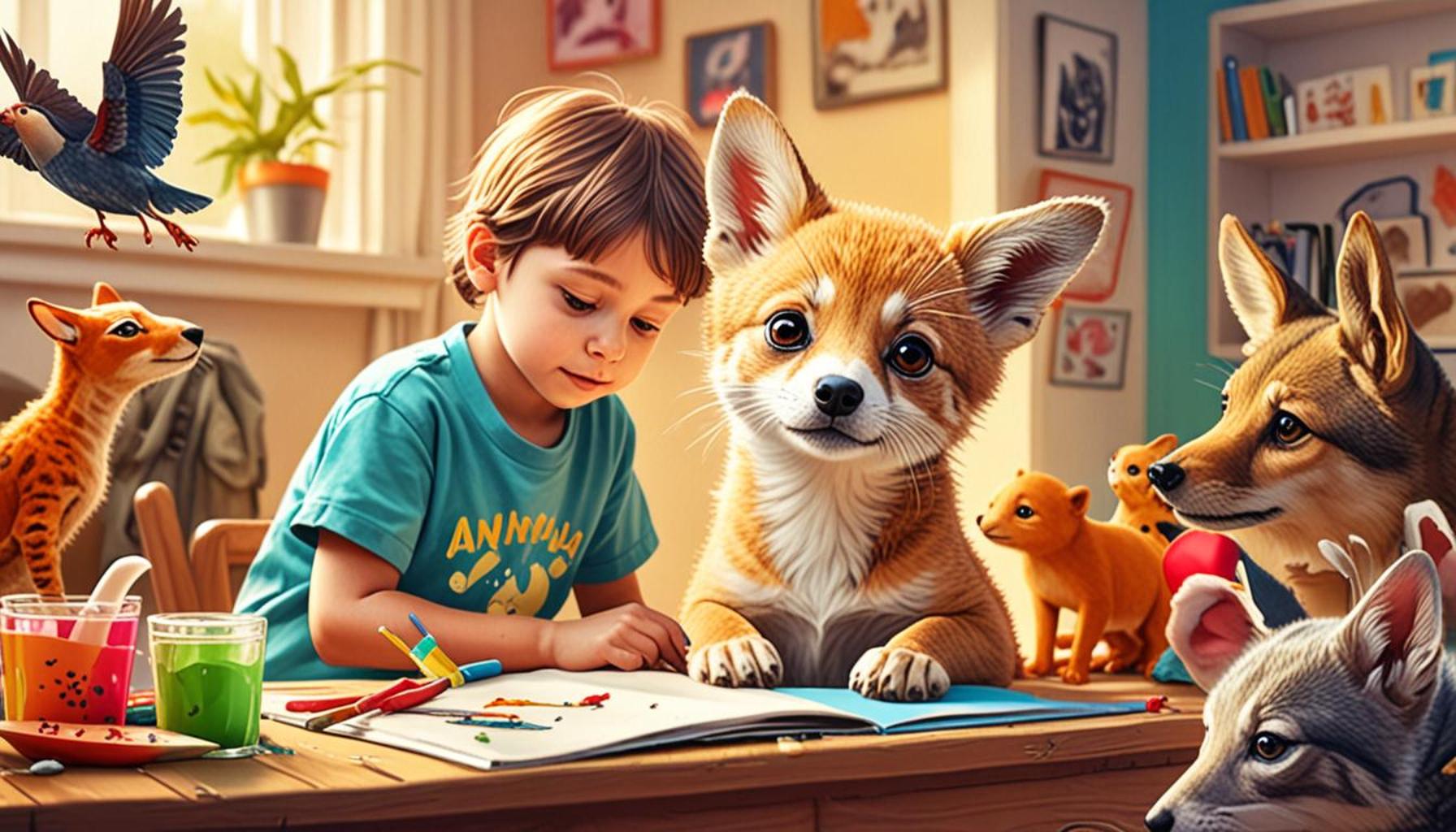
The Impact of Animal Adoption on Children
Welcoming a pet into a household extends far beyond fulfilling a desire for companionship or performing a noble act of kindness. For children, in particular, the experience of adopting a pet can serve as a powerful catalyst for emotional and moral development. Research indicates that children who grow up with pets develop essential life skills that significantly shape their futures as empathetic and responsible adults. These lessons are rich and varied, emphasizing the importance of caring for another living being.
Consider the key benefits associated with animal adoption:
- Empathy Development: When children care for an animal, they learn to acknowledge and respond to the feelings and needs of others. Whether it’s recognizing when a pet is anxious or understanding the difference between excitement and fear, this process fosters a deeper emotional intelligence. Studies suggest that children who have pets are often more attuned to the emotions of their peers, resulting in better interpersonal relationships.
- Sense of Responsibility: Pets need consistent care, including feeding, grooming, and exercise, instilling a sense of accountability in children. This commitment fosters reliable habits early on and teaches children how to manage time and resources effectively. Furthermore, performing regular chores associated with pet care can provide a sense of achievement and foster independence.
- Social Skills: Engaging with pets can also lead to improved communication abilities. Children who talk to pets often practice conversational skills without the pressure that comes with human interactions. Additionally, having a pet can serve as a social bridge, facilitating friendships with peers who share an interest in animals and allowing kids to learn teamwork through shared responsibilities.
In the United States, pet adoption is a prevalent practice; millions of families open their homes to animals from shelters annually. This trend not only enriches children’s lives but also plays a crucial role in alleviating overcrowding in shelters, thus supporting animal welfare organizations. By nurturing young minds through pet companionship, families instill lifelong values of kindness, empathy, and respect for all living beings, essentially shaping a more compassionate future.
Moreover, the presence of pets can positively impact children’s mental health by reducing anxiety and providing comfort in challenging times. For many, a pet is a steadfast friend—a source of unconditional love that can make a significant difference, especially during formative years when children are navigating complex emotions and social situations. As we continue to explore the intricate relationship between children and their four-legged friends, it becomes evident that animal adoption is not merely an act of kindness—it is an investment in the growth of empathetic, responsible citizens.

By diving deeper into the various aspects of pet ownership, we can appreciate how fostering this bond with animals not only benefits the individual but also cultivates a society that values care and compassion. Thus, not only do children gain invaluable lessons from their furry companions, but communities benefit from this ripple effect of empathy and responsibility.
DISCOVER MORE: Click here for essential dietary tips
The Emotional and Ethical Foundations of Animal Adoption
As children embark on the journey of caring for a pet, they unconsciously become participants in a profound lesson on empathy. This pivotal experience is not merely about feeding or playing; it involves learning to interpret a pet’s body language and emotional expressions. According to a study from the American Veterinary Medical Association, children who engage with animals display increased levels of emotional awareness. They learn to recognize when a pet is frightened, content, or unwell, which inevitably translates to heightened sensitivity towards the feelings of others, including their peers.
Moreover, adopting a pet encourages children to contemplate the complexities of animal welfare. As they learn about adoption paths, reasons for abandonment, and the importance of responsible pet ownership, they begin to develop an ethical framework. They become acquainted with the reality that many animals suffer due to negligence or irresponsibility, thus nurturing a deeper sense of compassion and social awareness. This foundation builds not only an understanding of animal rights but also encourages them to advocate for those who cannot speak for themselves, fostering a generation of empathetic individuals dedicated to social causes.
On another front, the responsibility associated with pet care resonates deeply with children, instilling lifelong skills that extend far beyond the realm of caring for animals. As young caregivers, children learn to establish routines that include:
- Daily Feeding Routines: Managing a pet’s meal schedule teaches children the significance of nutrition and regular care.
- Grooming Activities: Bathing, brushing, and maintaining a pet’s hygiene instill a sense of discipline and the importance of personal responsibility.
- Regular Exercise: Walking a dog or engaging in playtime encourages physical activity, promoting a healthy lifestyle.
- Behavior Training: Teaching commands to pets fosters patience, consistency, and effective communication skills.
This structured approach to pet care builds accountability among children, empowering them to understand the implications of their actions. When they see that their decisions impact another living being, it creates a ripple effect on their behavior within their family and community. They learn to take initiative and understand the true weight of responsibility. This vital experience of caring can lay the groundwork for successful transitions into adulthood, equipping them with skills necessary for future relationships, both personal and professional.
The transformative journey of animal adoption also permeates into the realms of emotional growth. Children often turn to pets as sources of comfort during turbulent times—be it navigating friendships, adjusting to new environments, or coping with personal loss. According to research by the Human Animal Bond Research Institute, pets can significantly decrease feelings of loneliness and anxiety in children, providing a non-judgmental space for self-expression.
As we delve deeper into the intersection of childhood development and animal companionship, it becomes clear that animal adoption fosters an engaging and nurturing environment for children. The lessons derived from this bond extend well into adulthood, crafting future citizens who value empathy, extend kindness, and embrace responsibility in all dimensions of life.
The Transformative Power of Animal Adoption in Childhood Development
Animal adoption is not merely an act of kindness but an opportunity for children to develop critical life skills. As children bond with their pets, they learn valuable lessons in empathy and responsibility. The process of caring for an animal requires children to be attentive to the needs of another living being, fostering a sense of compassion and nurturing as they recognize that their pets depend on them for survival and well-being.Moreover, studies have shown that children who grow up with pets are often more socially adept. Regular interactions with animals can enhance a child’s ability to communicate and express emotions. These social skills translate into better relationships with peers and adults, laying the foundation for future interpersonal success. As children experience the joy of pet ownership, they also learn perseverance and patience. Animals require consistent care and attention, which teaches children the importance of following through with responsibilities, even when the novelty wears off.Additionally, introducing children to the concept of animal rescue and adoption from an early age instills a lifelong sense of advocacy. They begin to understand issues like animal welfare and the importance of supporting local shelters. This knowledge inspires a sense of social responsibility that can guide their decisions as they grow, encouraging them to become compassionate individuals who are mindful of both human and animal needs.To further illustrate these points, a study conducted by the American Humane Association found that children living with pets displayed significantly greater empathy levels compared to those without. Such findings underline the profound impact that furry companions can have during formative years. The act of adopting an animal thus serves not only as a means of providing a home but also as a unique platform for children to cultivate essential qualities that shine through in all aspects of life.
Enriching Experiences Through Caring for Pets
Adopting an animal opens a new world of experiences that can be incredibly enriching for children. Activities such as feeding, training, and grooming pets offer practical learning moments. Children engaged in these nurturing activities develop a routine and learn task management skills, while also embracing the joys and challenges that pet ownership brings. They also develop a sense of achievement as they train their pets to follow commands or overcome challenges together, reinforcing the bond between them.As the journey of adoption unfolds, children are taught important lessons about compassion, patience, and the joys of unconditional love. In essence, the impact of animal adoption on children serves as a multifaceted growth experience, embedding the values of empathy and responsibility deep into their formative years. This not only benefits the children but contributes positively to society as future generations grow into responsible and caring adults.
LEARN MORE: Click here to discover the importance of pet vaccinations
Cognitive Development through Interaction with Pets
The experience of animal adoption goes beyond emotional and ethical growth, significantly influencing children’s cognitive development. Interacting with pets encourages critical thinking and problem-solving skills. For instance, when a child is tasked with training a dog, they must come up with effective strategies, learn which commands resonate with their pet, and adapt their approach based on the animal’s responses. This hands-on learning process sharpens their ability to assess situations and modify their tactics accordingly.
Furthermore, caring for pets fosters a sense of curiosity and engagement with nature. Children who adopt animals often find themselves seeking knowledge about proper care, behavioral traits, and health requirements of their pets. This quest for information can inspire broader interests in biology, animal sciences, or environmental studies. A report by the American Psychological Association highlights how this connection can lead children to pursue careers in veterinary science, animal welfare, or conservation, thereby contributing to society in meaningful ways.
In addition, engaging with animals can enhance children’s language skills. Verbal interactions with pets, whether it’s giving commands or describing their behavior, help improve vocabulary and communication abilities. Studies show that children who talk to their pets often exhibit more confidence in their spoken language, as these interactions provide a safe space for practice without the fear of judgment.
- Storytelling Development: Children often create narratives around their pets, enhancing their storytelling abilities and sparking imagination.
- Social Interaction Skills: Having a pet encourages conversations not just between the child and the animal but also with peers and family, enhancing social engagement.
Adoption also presents an opportunity for learning about responsibility in a shared community context. Family discussions about animal care often lead to talks about local shelters, the significance of adopting over buying pets, and understanding the challenges facing homeless animals. This awareness not only cultivates empathy for living beings but also promotes a broader understanding of community issues, further integrating children into the fabric of responsible citizenship. According to the Humane Society of the United States, volunteering opportunities abound for children who wish to develop this sense of ownership and community responsibility, providing additional pathways for growth.
The Influence of Animal Companionship on Mental Health
Moreover, the influence of animal companionship extends into the mental health realm. Pets often serve as a source of emotional support for children, particularly as they navigate developmental challenges such as anxiety associated with school performance and social integration. According to the Centers for Disease Control and Prevention, children with pets are less likely to experience feelings of depression and anxiety. The non-verbal bonding fostered through touch and affection can help reduce stress and provide a calming effect, essential during the demanding years of childhood.
Animal adoption not only fulfills the emotional needs of children but also bolsters their cognitive and social skills, creating a rich tapestry of growth that intertwines responsibility with empathy. As children embrace both the joys and challenges of caring for a pet, they forge a deeper understanding of what it means to coexist with and respect other living beings. This dynamic relationship paves the way for their development into compassionate, responsible adults, ready to engage thoughtfully with the world around them.
DISCOVER MORE: Click here for expert tips on choosing your perfect pet
Conclusion
The profound impact of animal adoption on children is evident in various facets of their growth, including emotional, cognitive, and social development. As children engage with pets, they not only learn the importance of empathy and responsibility but also cultivate essential life skills that shape their futures. By caring for an animal, children understand the weight of commitment and the rewards of nurturing bonds, thus fostering a deep respect for all living beings.
The cognitive benefits derived from this relationship are significant, promoting critical thinking, language skills, and curiosity about the natural world. The findings from reputable sources like the American Psychological Association reveal how these experiences can inspire children to pursue careers in fields like veterinary medicine and environmental conservation. Furthermore, the emotional support provided by pets offers children a buffer against anxiety and stress, reinforcing their mental well-being during formative years.
In addition to personal growth, animal adoption also cultivates a sense of community responsibility and awareness of broader societal issues. Discussions around pet care often lead to conversations about local shelters and the necessity of adopting over purchasing animals, instilling values that extend beyond the household. As families participate in volunteer opportunities, children gain a broader perspective on compassion, igniting a journey toward becoming altruistic citizens.
As we recognize the multifaceted benefits of animal adoption, it becomes imperative to encourage this practice, not only for the welfare of animals but also for the invaluable life lessons it imparts to the younger generation. By nurturing a relationship with pets, children can grow into empathetic, responsible adults who contribute positively to society, ensuring a brighter future for both humanity and our animal companions.