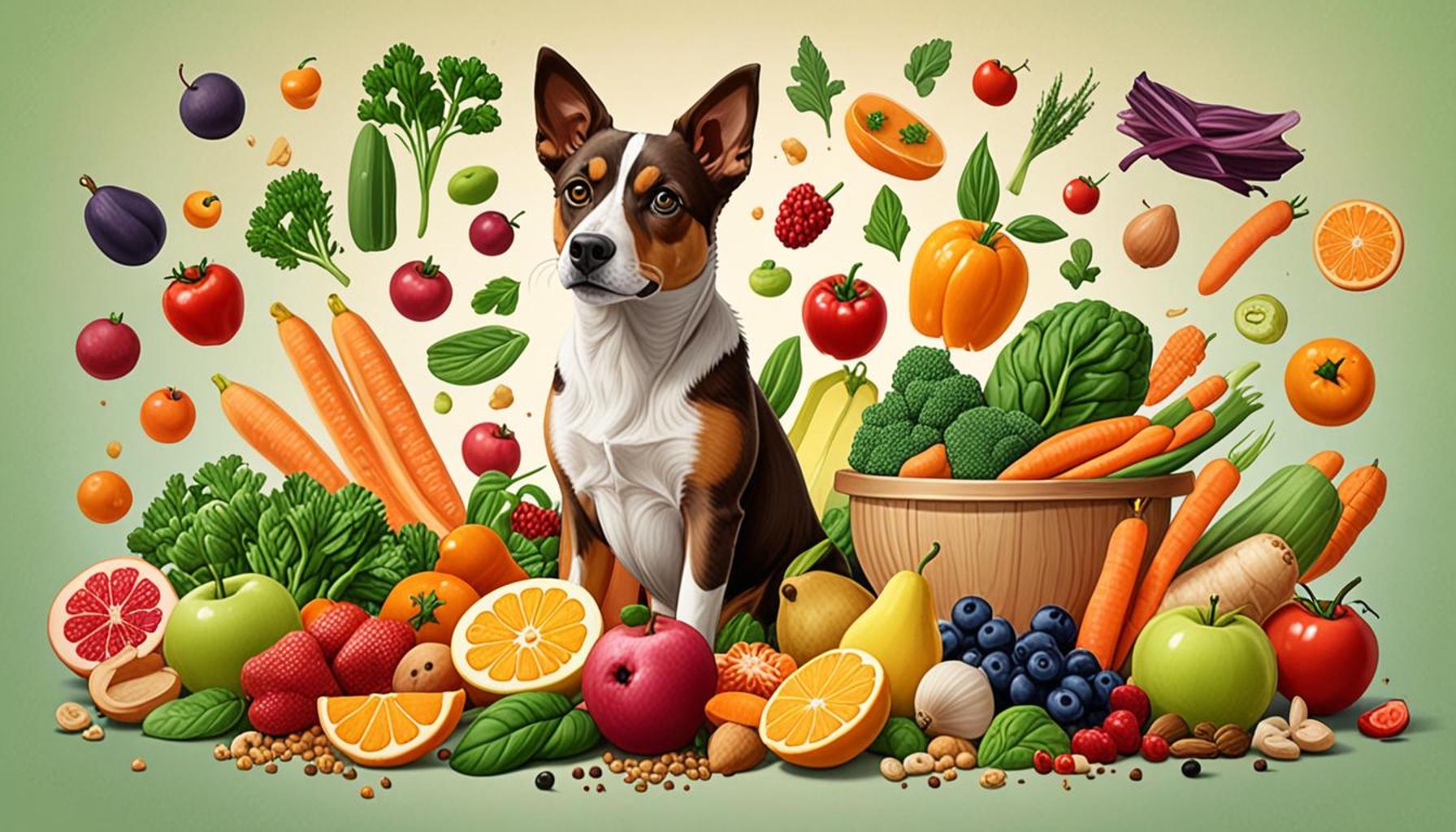
Balanced Pet Diets Essential for Long-Term Health and Wellness

Introduction
Ensuring the optimal health of our pets extends beyond regular vet visits; it deeply intertwines with their diet. A balanced diet not only provides essential nutrients but also fosters longevity, vitality, and overall well-being in our beloved furry companions. This article explores the crucial role of proper nutrition and its impact on the long-term health of pets.
Understanding what constitutes a balanced diet is vital for pet owners. A well-rounded nutrition plan can help in:
- Preventing chronic diseases such as obesity, diabetes, and dental problems.
- Enhancing immunity, allowing pets to better fight off illnesses.
- Improving energy levels and maintaining a healthy weight.
To prepare you for deeper insights, we’ll rank the Top 5 essential elements of a balanced pet diet. Join us as we delve into the necessary components that can elevate your pet’s health and happiness.
Top 5: The Importance of a Balanced Diet for the Long-Term Health of Pets
Understanding the significance of a balanced diet for pets is crucial. Just like humans, animals require specific nutrients to support their well-being and longevity. In this article, we will explore the top five reasons why a balanced diet is essential for the health of your beloved pets. From preventing diseases to improving quality of life, read on to discover more about keeping your furry friends healthy for years to come.
5. Weight Management

Proper weight management is one of the foremost advantages of a balanced diet for pets. Many pet owners may not realize it, but obesity is a growing concern among domestic animals. According to the Association for Pet Obesity Prevention, approximately 60% of cats and 56% of dogs in the United States are classified as overweight or obese. A diet rich in appropriate nutrients ensures that pets maintain a healthy weight, reducing the risk of obesity-related health issues.
Excess weight in pets can lead to a cascade of health problems. Being overweight can lead to chronic diseases. Dogs and cats that carry too much weight can suffer from joint pain, breathing difficulties, and decreased stamina. Furthermore, obesity in pets can result in diabetes, arthritis, and heart disease. These conditions not only reduce a pet’s quality of life but can also lead to significant veterinary expenses for owners.
Monitoring portion sizes and ensuring a balanced intake of proteins, fats, and carbohydrates can help pets shed excess pounds and maintain optimal weight. A balanced diet contributes to weight loss and management, allowing pets to live healthier and more comfortable lives.
4. Disease Prevention
A balanced diet does more than just support weight – it plays a vital role in disease prevention. Nutritional deficiencies can lead to various health problems including digestive issues, skin disorders, and even immune deficiencies. Pets that receive a proper mix of vitamins and minerals are less likely to develop these health issues.
A well-rounded diet filled with key nutrients can significantly reduce the risk of chronic diseases. Antioxidants are crucial in fighting free radicals, which helps in preventing cell damage and slows the aging process. Omega-3 and omega-6 fatty acids support skin and coat health, keeping them glossy and reducing the likelihood of conditions like dermatitis. Adequate proteins are essential for building and repairing tissues, promoting muscle health, and contributing to a strong, lean body.
Nutritional health should ideally start at a young age and continue throughout the pet’s life. By emphasizing whole foods and specific nutrients, pet owners can significantly enhance their animals’ immunity and resilience against diseases.
3. Improved Energy Levels
Just like humans, pets need the right fuel to stay active. A well-structured diet directly influences energy levels and overall vitality. Pets, especially dogs, are known for their playful and energetic nature, which requires adequate nutrition to sustain.
Nutrient-dense foods ensure pets have sufficient energy to play, exercise, and live satisfying lives. Carbohydrates provide energy for everyday activities, acting as the primary fuel source for active pets. Post-playtime, proteins help with muscle repair after exertion, ensuring that pets remain strong and fit.
Moreover, fats are essential for high-energy needs, especially in active breeds. Fats act as a dense source of energy, carrying fat-soluble vitamins that contribute to a healthy metabolism. By feeding pets adequately balanced meals, owners can ensure that their companions remain lively, happy, and ready for any adventure.
2. Longevity and Quality of Life
It’s clear that a balanced diet contributes directly to a longer lifespan. Studies have shown that pets receiving balanced nutrition tend to live longer, healthier lives. The right diet reduces vulnerability to diseases and helps maintain optimal physical condition, contributing to both longevity and a better overall quality of life.
The correlation between diet and longevity is supported by numerous studies involving domesticated animals. A study conducted by the University of Liverpool indicated that dogs fed properly balanced diets exhibit fewer signs of age-related decline. Pets with balanced diets can have a lifespan extension, allowing them to stay active and engaged with their families for more years.
Additionally, diet influences pet behavior and mental health. Healthier pets tend to exhibit better moods, as they deal with fewer physical ailments. Proper nutrition brings about active living, leading to an overall zest for life. By nourishing pets with the right foods, owners encourage not just physical but also mental well-being.
1. Enhanced Digestive Health
The crown jewel of a balanced diet is undoubtedly its role in enhancing digestive health. A good diet ensures that pets have optimal digestion, maximizing nutrient absorption. As digestive health influences overall health, feeding pets the right mix of foods benefits them incredibly in the long run.
The foundation of any healthy diet for pets includes adequate fiber, which is essential for healthy bowel function. Soluble and insoluble fibers help ensure smooth passage of food through the digestive tract, reducing the likelihood of constipation and diarrhea. Additionally, probiotics are beneficial for gut health, helping maintain a healthy colony of gut bacteria, which plays a pivotal role in digestion and immunity.
Quality ingredients are key for optimal nutrient absorption, ensuring that pets receive all the essential vitamins and minerals they require. This leads to fewer health complications and a reduced need for costly veterinary visits.
In conclusion, the importance of a balanced diet for the long-term health of pets cannot be understated. From weight management to digestive health, each aspect plays a vital role in ensuring our furry companions live long, fulfilling lives. Engage with your veterinarian to tailor a diet that’s perfect for your pet’s specific needs, so you can enjoy a better journey together and ensure a lasting companionship filled with happiness and vitality.
| Category | Details |
|---|---|
| Nutritional Balance | A well-rounded diet ensures that pets receive all the necessary vitamins and minerals for optimal health. This balance is critical in preventing deficiencies that could lead to serious health issues. |
| Weight Management | A balanced diet helps maintain a healthy weight, which can reduce the risk of obesity-related diseases such as diabetes and joint problems. Keeping pets at an ideal weight is essential for their overall quality of life. |
| Digestive Health | High-quality ingredients in pet food promote better digestion and reduce gastrointestinal issues. A diet rich in fiber supports healthy gut flora, ensuring efficient digestion and nutrient absorption. |
| Enhanced Longevity | Studies show that pets fed with a balanced diet tend to live longer and healthier lives. Key nutrients play a role in bolstering the immune system, helping pets fend off illnesses as they age. |
A balanced diet for pets is not just about immediate health benefits; it is crucial for their long-term well-being. For instance, an adequate supply of essential fatty acids can improve coat health and reduce itchiness, while antioxidants play a pivotal role in protecting cells from damage caused by free radicals. Furthermore, the inclusion of premium proteins will more effectively support muscle integrity and energy levels. Research suggests that animals that consume a diet supplemented with probiotics show improved gut health and better immune responses, thus emphasizing their importance in maintaining a healthy microbiome. Furthermore, diet customization according to the age, breed, and specific health needs of animals can significantly enhance their quality of life. Pet owners are encouraged to consult with veterinarians to tailor nutritional plans that not only meet their pets’ daily dietary requirements but also enhance their longevity and vitality. The right balance of nutrients can lead to noticeable improvements in behavior, energy levels, and overall disposition, allowing pets to lead fulfilling lives by the side of their human companions.
Frequently Asked Questions about Balanced Diets for Pets
What constitutes a balanced diet for pets?
A balanced diet for pets involves providing all the necessary nutrients, including protein, fats, carbohydrates, vitamins, and minerals, in appropriate proportions. It’s crucial to tailor this dietary ratio to meet the specific needs of different species, breeds, and life stages. Quality and source of ingredients are key; for instance, animal-based proteins are preferable for carnivorous pets.
How does a balanced diet impact my pet’s health in the long term?
A balanced diet ensures a healthy weight, supports the immune system, and maintains organ function, all of which contribute to overall well-being and longevity. Malnutrition can lead to issues such as obesity, diabetes, or joint problems. Scientific studies suggest that proper nutrition can extend a pet’s life and improve their quality of life significantly.
Can I prepare homemade meals for my pet to ensure a balanced diet?
While homemade meals can be a healthy option, it’s important to consult with a veterinary nutritionist to create a plan that meets all of your pet’s nutritional needs. Balancing nutrients without professional guidance can be challenging and might inadvertently lead to deficiencies or excesses.
Are commercial pet foods a good option for a balanced diet?
Commercial pet foods, when chosen correctly, can provide a complete and balanced diet. Look for brands that meet the standards set by veterinary nutrition organizations, such as AAFCO in the United States. Reading labels and understanding the nutritional content and quality of ingredients are essential practices.
How can I monitor if my pet is receiving the right nutrients?
Regular veterinary check-ups are crucial to monitor your pet’s health through blood tests and physical exams. Signs of a balanced diet include healthy skin and coat, consistent energy levels, normal stool, and maintaining an ideal weight. Any deviations might indicate dietary imbalances.
Conclusion: The Essential Role of a Balanced Diet for Pet Health
The journey through understanding the importance of a balanced diet for pets reveals a compelling narrative about their well-being. A comprehensive overview of the topic not only emphasizes the pivotal role that nutrition plays in the life of our furry companions but also underscores the potential long-term benefits for their health. At the heart of this discussion lies the undeniable need for a diet that harmonizes all essential nutrients.
A balanced diet ensures that pets receive vital nutrients required for growth, maintenance, and energy. By reflecting on the points discussed, we remember that protein, fats, carbohydrates, vitamins, and minerals each play a crucial role in sustaining the natural biological functions in animals. Equally important is the awareness of specific dietary needs based on the pet’s age, breed, and health condition.
Moreover, the article highlights the risks affiliated with an imbalanced diet. Deficiencies or excesses in certain nutrients can pave the way for health issues, ranging from obesity and dental problems to more severe conditions like diabetes or heart disease. An informed approach to pet nutrition can serve as a preventive measure against such ailments.
Ultimately, offering our pets a well-rounded diet is not just a matter of sustenance but a commitment to their quality of life. As conscientious pet owners, delving deeper into nutritional data and consulting with veterinary professionals will lead to informed decisions, positively influencing our pets’ health and longevity. By prioritizing a balanced diet, we take a pivotal step in nurturing a vibrant and healthy life for our cherished animal companions.