
Reducing Clutter in Family Life: Creating Cozier and More Functional Environments
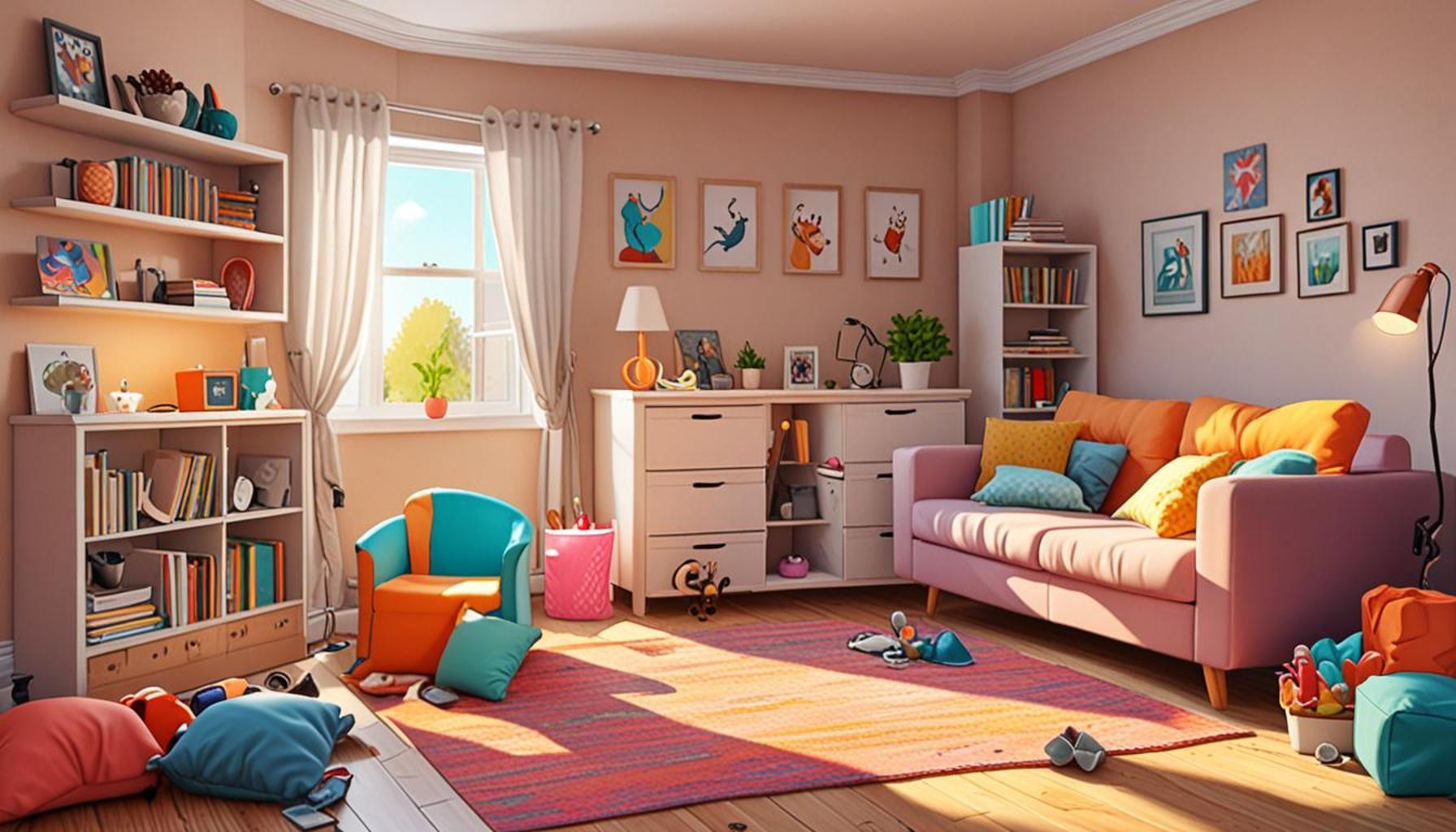
Embracing a Simpler Lifestyle
In today’s fast-paced world, families often find themselves surrounded by an overwhelming amount of items, both needed and unnecessary. This clutter can weigh heavily on our minds and spirits, creating a less inviting home environment. To foster a sense of peace and functionality, it is essential to tackle the issue of clutter.
Understanding the Impact of Clutter
Clutter is not just a visual problem; it affects our mental and emotional well-being in significant ways. Excessive items can:
- Heighten stress levels: A chaotic space can lead to anxiety. Studies have shown that living in cluttered environments can elevate cortisol levels, which is associated with stress. For instance, a typical Nigerian household might find itself overwhelmed by the accumulation of children’s toys, household gadgets, and old clothes, leading to a sense of chaos.
- Reduce productivity: A disorganized environment hinders focus. For example, a working parent trying to balance remote work and home responsibilities may struggle to concentrate amid distractions, thus reducing overall efficiency. Efficient organization is essential in optimizing available time and resources.
- Strain family relationships: Arguments often arise over space and organization. In many Nigerian households, this can manifest as disputes over who should clean or organize shared spaces, leading to tension. Such conflicts can diminish family harmony and increase feelings of frustration.
Creating Cozier and More Functional Spaces
Reducing clutter is a step toward creating a cozier home. Here are practical approaches that families can adopt:
- Decluttering sessions: Involve the entire family to sort through belongings. Setting aside a weekend to tackle clutter not only fosters teamwork but also encourages everyone to appreciate the value of their possessions. Consider creating categories for items, such as “keep,” “donate,” or “discard,” to streamline the process.
- Designate ‘homes’ for items: This reduces misplaced objects and ensures that every item has a specific location. For instance, families can implement storage bins or baskets labeled by category, making it easy for everyone to find and return items to their designated spots.
- Utilize multi-functional furniture: Maximize space in smaller rooms. In Nigeria, consider ottomans that serve as storage or beds that have drawers beneath. This not only reduces the need for additional furniture but also enhances the usability of the available space.
By exploring these strategies, families in Nigeria can cultivate a more harmonious environment. It is important to regularly evaluate personal belongings and make conscious decisions about what truly brings joy and utility to our lives. The goal is to transform your living space into a sanctuary where relaxation and functionality coexist, ultimately enhancing overall family life. Embracing a simpler lifestyle can lead to significant changes in emotional well-being and interpersonal relationships, paving the way for a more fulfilling daily existence.

CHECK OUT: Click here to explore more
Strategies for a Streamlined Life
Family life in Nigeria is often bustling with energy, but amidst this liveliness lies a common challenge that many households face: clutter. The harmonization of work, play, and social obligations can quickly lead to an accumulation of belongings that feel overwhelming. Beyond being a mere eyesore, clutter can have tangible effects on our everyday interactions and routines, calling for an organized approach to reclaim our spaces.
Practical Tips for Decluttering
Implementing effective decluttering techniques can significantly improve the ambiance of any family home. Here are some actionable steps that can be integrated into daily life:
- Establish a Regular Decluttering Schedule: Setting aside time each month for decluttering can create a rhythm that becomes part of family life. For example, families can incorporate a routine during the last weekend of the month to assess and reorganize their belongings, promoting collective responsibility.
- Utilize the ‘One In, One Out’ Rule: For every new item brought into the home, consider letting go of an existing one. This creates a balance and prevents excessive accumulation. For instance, if acquiring new clothes, families can donate or discard older pieces to maintain an organized wardrobe.
- Encourage Minimalism in Gifting: In Nigerian culture, celebrations often involve exchanging gifts. Families can foster awareness around choosing practical gifts that serve a purpose rather than accumulating decorative items that may never be used. Encourage family and friends to opt for experiences or consumable gifts that won’t contribute to clutter.
By adopting these methods, families can enjoy a more organized and functional living environment. Decluttering not only enhances the aesthetic of the home but fosters a mental clarity that allows for more meaningful interactions within the family. As households in Nigeria begin to embrace these practices, they will likely find themselves enjoying a cozier atmosphere, conducive to love and laughter.
Innovative Storage Solutions
In addition to decluttering, utilizing smart storage options can further streamline family life. Here are some innovative solutions to consider:
- Vertical Storage Options: Taking advantage of wall space with shelves or hooks can free up floor space while providing functional storage for items like shoes, bags, or school supplies.
- Under-Bed Storage: The area beneath beds can serve as prime real estate for storing less frequently used items in bins or drawers, thereby maximizing usable space.
- Wall-Mounted Organizers: For items such as keys, mail, or devices, wall-mounted organizers can keep commonly used items off surfaces while remaining easily accessible.
Implementing these storage solutions not only allows families to enjoy a clutter-free space but also promotes a sense of pride in their living environment. Such adjustments create inviting spaces where everyone can feel at ease, ultimately enhancing the quality of family life.
Embracing Minimalism for a Streamlined Home
In today’s fast-paced world, families often find themselves engulfed in a sea of possessions that can create chaos and stress. Embracing a minimalist approach to home organization is key to reducing clutter and fostering a more serene environment. By meticulously selecting what remains in the home, families can not only enhance functionality but also create a space that promotes well-being and comfort. One effective strategy is to prioritize multi-functional furniture. For example, an ottoman that doubles as storage or a coffee table can serve various purposes, effectively utilizing every square inch of your living area. Such pieces help maintain organization while ensuring that every item has a designated space. Additionally, decluttering rituals—such as a monthly review of items—promote regular reflection on what truly adds value to family life.
The Psychological Benefits of Decluttering
The act of reducing clutter extends beyond physical spaces; it also has profound psychological benefits. Creating a cozy home environment leads to increased feelings of safety and belonging, which are particularly important for familial relationships. Studies suggest that individuals in decluttered spaces experience reduced anxiety and increased productivity—helping family members engage more positively with one another.Moreover, integrating storage solutions such as stylish bins, baskets, and hidden compartments can transform the experience of tidying up into an enjoyable part of family routines. Encouraging children to be involved in these processes not only instills valuable life skills but also strengthens family bonds.
Incorporating Nature for Tranquility
Incorporating nature into family environments can further enhance this wellness aspect. Indoor plants not only beautify spaces but also promote cleaner air and improved mental health. Creating a designated family space such as a garden or a cozy reading nook filled with natural light can act as a retreat from everyday stressors. This approach to creating functional environments allows families to connect physically and emotionally, deepening their relationships in a decluttered, serene setting. As families explore these methods of reducing clutter, they will not only find practical solutions for organization but also enhance their overall quality of life by fostering a home that is both beautiful and functional.
RECOMMENDED: Check out this similar article
Embracing Digital Solutions
Another effective approach in reducing clutter revolves around leveraging digital tools. As technology advances, families can capitalize on various applications and platforms to manage their belongings, schedules, and daily responsibilities more efficiently. Here are some inventive digital strategies:
- Digital Inventory Management: Utilize apps that allow families to keep a digital record of their belongings. By photographing and cataloging items, it becomes easier to track possessions and identify what should be kept, donated, or discarded.
- Family Calendars: Transitioning to a shared online calendar can streamline scheduling family activities, appointments, and events. This reduces the reliance on paper reminders and can help alleviate the confusion that arises from mixed-up schedules.
- Cloud Storage for Important Documents: By digitizing critical documents and storing them in cloud services, families can eliminate the physical clutter associated with filing cabinets. Consider scanning important papers such as birth certificates, school records, and medical documents for easy access without the physical mess.
As families in Nigeria embrace these digital solutions, they will not only save physical space but also enhance their overall organization. With the constant evolution of technology, these strategies can significantly contribute to a more cohesive family environment.
Maximizing Functionality with Multi-Purpose Furniture
Creating cozy environments goes hand in hand with selecting furniture that serves multiple purposes. This is particularly important in households where space can be limited. Multi-functional furniture pieces can enhance both utility and aesthetic appeal. Here are several examples:
- Sofa Beds: A sofa bed serves as a seating area during the day and provides a sleeping space for guests at night. This is ideal for accommodating family members or visitors without the need for an additional guest room.
- Storage Ottomans: These versatile pieces not only provide seating but also offer hidden storage for blankets, toys, or books. This can keep living rooms tidy while adding an inviting touch to the décor.
- Expandable Dining Tables: For large families or those who love to entertain, an expandable dining table can adapt to different gatherings, providing extra space when needed while maintaining a cozy atmosphere during smaller meals.
Families adopting these furniture options can significantly reduce clutter while ensuring that their spaces remain functional. The incorporation of multi-purpose items fosters a sense of adaptability and serves as a reflection of a family’s dynamic lifestyle in Nigeria.
Creating Clutter-Free Zones
Establishing designated clutter-free zones within the home is another vital strategy in promoting a more organized lifestyle. By designating specific areas for relaxation, work, or play, families can encourage more mindful living. Here are some ways to accomplish this:
- Entryway Organizers: Set up a clutter-free entryway by incorporating storage solutions like bins for shoes and hooks for bags or jackets, creating an inviting first impression upon entering the home.
- Dedicated Workspaces: Establish a specific area for family members to focus on work or study. This could involve creating a small home office with all essential supplies, minimizing distractions and keeping the rest of the living space more relaxed and peaceful.
- Play Areas for Kids: Designating a specific area for children to play, equipped with storage for toys, can help contain messes and teach kids about responsibility regarding their belongings.
By fostering a clutter-free mindset and creating these zones, families can cultivate an environment that prioritizes both functionality and comfort. As Nigerian families continue to implement these strategies, they will not only enjoy their living spaces more fully but also strengthen their bonds around a shared commitment to maintaining a cozy and organized home.
RECOMMENDED: Check out this similar article
Conclusion
In today’s fast-paced world, the importance of reducing clutter in family life cannot be overstated. By implementing strategies that embrace both physical and digital solutions, families can create environments that are not only more functional but also inherently cozier and more welcoming. The delicate balance of design and functionality, demonstrated through the integration of multi-purpose furniture and the establishment of clutter-free zones, adds a sense of harmony in our daily lives.
Moreover, as families in Nigeria begin to adopt these innovative digital tools—whether it’s through inventory management apps or shared online calendars—they present an opportunity for enhanced organization and transparency. This modernization serves not just to declutter spaces but also to cultivate stronger familial bonds through shared responsibilities and minimized chaos.
In essence, reducing clutter goes beyond simply tidying up; it invites families to reflect on their lifestyle choices and values. It empowers them to seek out simplicity in an age of excess, favoring functional and cozy surroundings that foster well-being and connection. Families are encouraged to continuously reassess their spaces and embrace a clutter-free mindset, ensuring that their homes remain sanctuaries of comfort and joy. This transformative journey offers a pathway to enriched family dynamics, creating lasting memories in stylish, organized homes that resonate with both comfort and functionality.