Spatial Organization: Creating Harmonious Environments with Fewer Items

The Importance of Harmonious Environments
In our rapidly changing world, where the demands of life often clash with our peace of mind, the concept of spatial organization is increasingly being recognized as more than a mere trend. It’s emerging as a vital aspect of daily living that can significantly influence our emotional and psychological states. The organization of physical spaces, whether homes, offices, or public areas, has profound implications on our mental well-being.
Why is this focus on spatial organization so critical? Consider these insights:
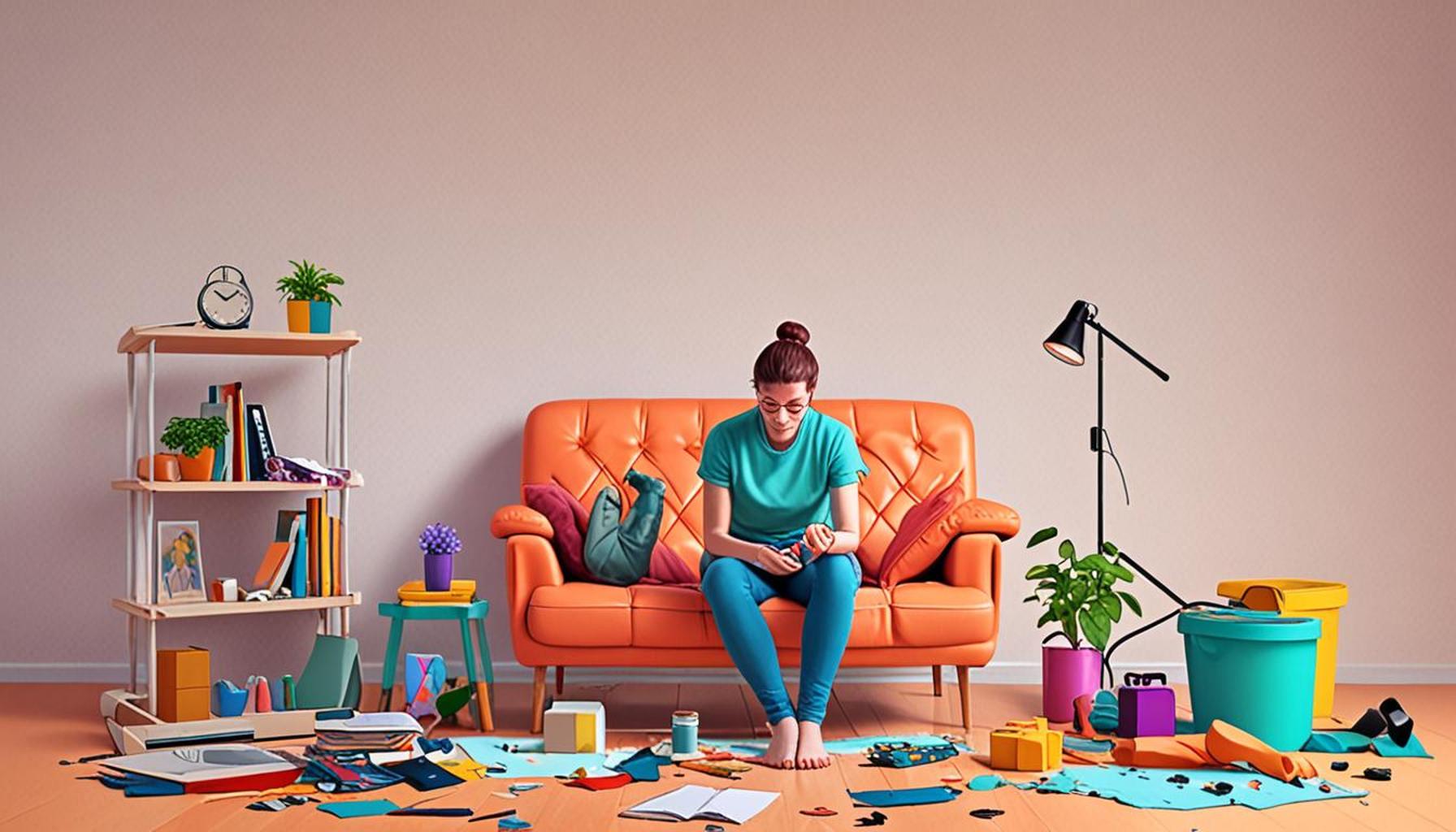
- A clutter-free space reduces stress. Research suggests that visual distractions can overwhelm the brain, leading to increased anxiety. A tidy environment can promote calmness and enhance your ability to concentrate.
- Minimalism promotes focus and productivity. By prioritizing essential items and decluttering, you can create a workspace that not only inspires but also increases efficiency. This is particularly relevant in Nigeria’s bustling urban centers, where distractions abound.
- Well-organized environments invite creativity. A thoughtfully arranged space can be a catalyst for innovation and new ideas. When there is room to think and reflect, creativity flourishes.
In Nigeria, where rapid urbanization is reshaping living conditions and often leading to limited space, the benefits of efficient spatial organization are especially important. Here are a few key advantages that resonate strongly in this context:
- Enhanced use of limited space. In cities like Lagos or Ibadan, where the housing market is tightly packed, clever spatial organization allows residents to maximize every inch. Consider multi-functional furniture like a sofa bed or collapsible tables that serve various purposes without compromising comfort.
- Improved air and light flow. A well-organized space facilitates better movement and ventilation. Utilizing open shelves or placing larger items strategically can enhance natural light flow, creating an inviting atmosphere.
- Greater appreciation for personal belongings. By curating a selection of cherished items and displaying them mindfully, individuals can create a deeper emotional connection with their surroundings. This practice leads to a more meaningful, personal environment.
Imagine walking into a room that is not just a collection of furniture but a curated space where every item tells a story. By applying the principles of spatial organization, you can transform your surroundings into a sanctuary of rest and rejuvenation. This article will delve deeper into various techniques for achieving optimal spatial organization and its numerous benefits, ultimately guiding you toward a more serene lifestyle.

CHECK OUT: Click here to explore more
Understanding Spatial Organization
At its core, spatial organization involves the strategic arrangement of elements within a given space. This practice extends beyond mere aesthetics; it encompasses functionality, emotional resonance, and practical living. Particularly in Nigeria, where rapid urbanization has led to smaller living spaces, mastering the art of spatial organization can transform everyday environments, enhancing both comfort and utility.
One of the fundamental principles of spatial organization is knowing what to keep and what to let go. This practice encourages individuals to make conscious choices about their possessions, which is essential in a culture that often celebrates abundance. By identifying and retaining only those items that serve a purpose or bring joy, residents can create a more serene environment. This facet of organization echoes the age-old wisdom of minimalism, which posits that less truly can be more.
Moreover, the benefits of adoptive spatial organization techniques are multi-faceted:
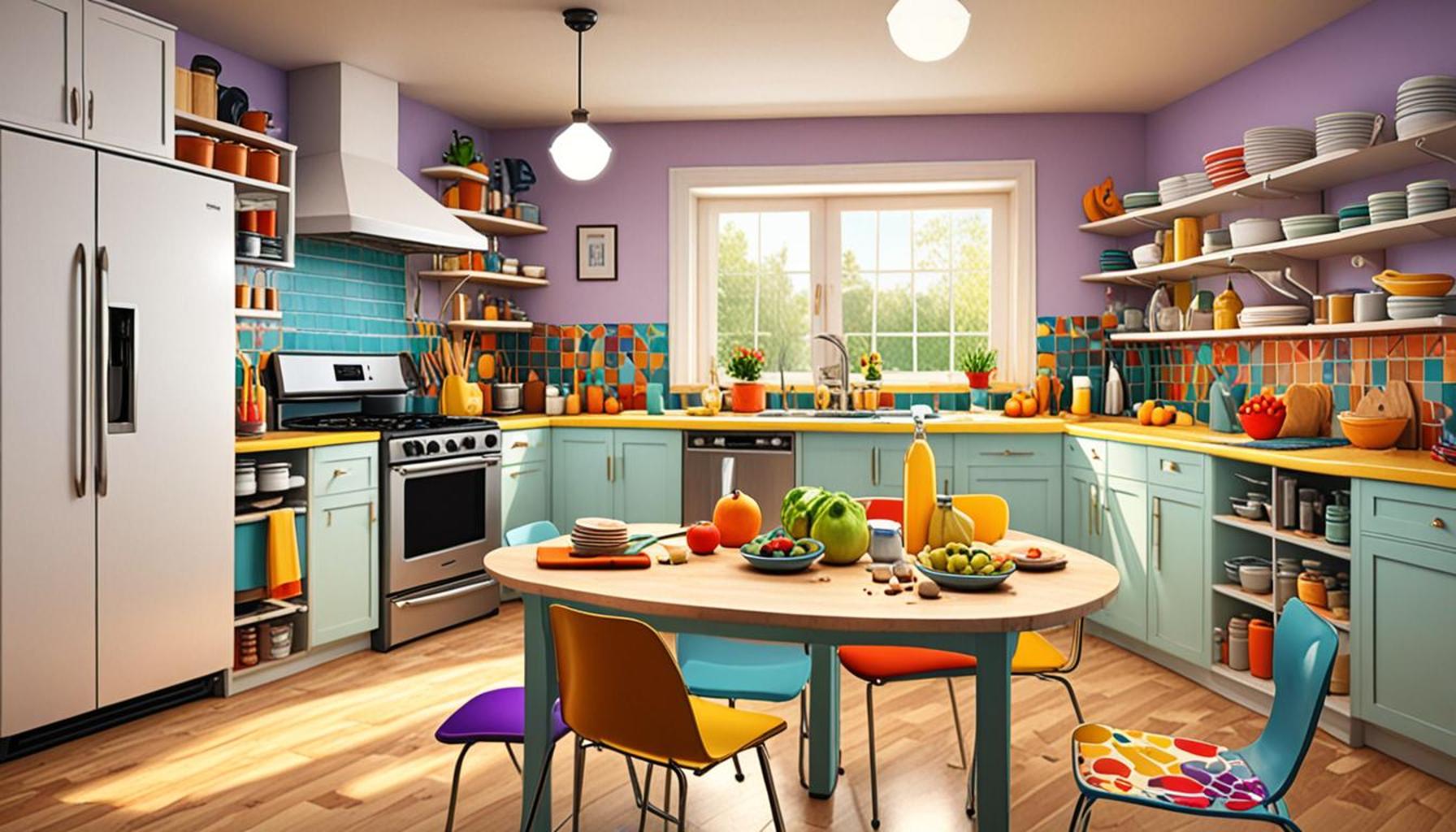
- Increased Accessibility: Strategic placement of items makes it easier to navigate a space, especially in more compact residences. For instance, storing frequently used kitchen tools in easily accessible locations enhances efficiency during meal preparation.
- Emphasis on Functionality: In environments where every square meter counts, every piece of furniture should serve a purpose. Versatile furniture—such as ottomans that double as storage units—can optimize both usability and space in a home.
- Reduction of Overwhelm: The psychological impact of clutter can be profound. An organized environment fosters a sense of peace and clarity, enabling individuals to maintain focus on their tasks, whether studying for exams or working on projects.
Consider how the arrangement of a living room can shape social interactions. A sofa facing a central coffee table encourages conversation and connection, while a cluttered environment can create barriers that inhibit communication. In urban areas like Abuja or Port Harcourt, where homes might feel crowded, the layout of a room can determine the overall vibe—whether it’s inviting and warm or chaotic and stressful.
Another critical aspect is the color and lighting within a space. Natural light, complemented by carefully chosen color palettes, can drastically alter the ambiance of a room. Bright, airy environments often facilitate a sense of openness, whereas darker, cramped areas can feel stifling. Utilizing mirrors to reflect light or choosing lighter tones for walls can enhance the perception of space, contributing to an overall harmonious environment.
By implementing these spatial organization strategies, individuals in Nigeria can cultivate living spaces that not only meet their practical needs but also contribute to emotional well-being. In this quest for a balanced lifestyle, the notion of reducing items to enhance livability becomes paramount, inviting individuals to explore the profound implications of a well-organized space.
| Advantages | Impact on Daily Life |
|---|---|
| Enhanced Focus | Elimination of visual clutter helps improve concentration. |
| Reduced Stress | Minimalist spaces are associated with increased feelings of calmness and tranquility. |
| Better Organization | Fewer items mean less time spent on organizing and maintaining order. |
| Increased Space | Creating a spacious environment enhances mobility and usability. |
The concept of Spatial Organization significantly enhances our living and working environments by allowing us to embrace simplicity through fewer items. By focusing on essential elements, we not only create aesthetically pleasing spaces, but we also experience improved quality of life. Enhanced Focus is one notable advantage of adopting this approach, as removing distractions allows individuals to direct their energies toward meaningful tasks. Furthermore, the Reduced Stress that stems from harmonious environments fosters mental well-being.In terms of Better Organization, the minimalist approach to spatial design effectively decreases the burden of clutter management. This leads to a smoother flow in daily routines, as less time is spent on organizing. Additionally, many individuals appreciate the Increased Space that arises from this philosophy, cultivating an inviting atmosphere that encourages creativity and productivity. Thus, exploring the depth of Spatial Organization not only reveals a trend towards minimalism but also highlights its profound impact on enhancing daily life experiences.
CHECK OUT: Click here to explore more
Practical Tips for Effective Spatial Organization
To harness the power of spatial organization in creating harmonious environments, it is crucial to implement practical strategies that suit the unique living situations within Nigeria. With limited space common in urban areas, residents can adopt various approaches to maximize their surroundings while minimizing clutter.
One effective technique is the practice of zoning. This method involves dividing a living area into distinct functional zones, which can be particularly beneficial in multi-purpose rooms. For example, in a compact studio apartment, a small area can be designated for sleeping, another for working, and yet another for dining. Using rugs or furniture placement can visually separate these areas, providing clarity and enhancing the overall organization of the space. By establishing zones, individuals are less likely to feel overwhelmed by an all-in-one area, allowing for greater focus and creativity in each designated space.
Additionally, the implementation of vertical storage solutions is instrumental in optimizing limited floor space. Utilizing wall-mounted shelves, tall bookcases, or over-the-door organizers can effectively reduce clutter while showcasing personal items or necessary tools. In Nigerian households, where traditional designs may encourage floor seating, the integration of such vertical solutions can create a refreshing balance. By drawing the eye upward, these strategies not only maximize storage but also contribute to a feeling of spaciousness.
Decluttering plays a significant role in fostering a harmonious environment. A systematic approach can yield impressive results. One popular technique is the “one-in-one-out” rule: for every new item acquired, an old item must be removed. This conscious habit helps maintain an equilibrium, preventing the accumulation of unnecessary possessions. Establishing a regular decluttering schedule—perhaps every six months—ensures that spaces remain functional and meaningful. Residents can even organize community swaps, where neighbors exchange items they no longer need, thereby promoting sustainability and resourcefulness.
Furthermore, it is imperative to consider the emotional connection with belongings. In Nigerian culture, certain items may carry deep sentimental value, making it challenging to decide what to keep. Engage in the process of reflection by asking questions such as, “Does this item enhance my life?” or “Does it hold significant memories?” This exercise not only aids in making informed decisions but also cultivates a deeper appreciation for the items that are retained. Ultimately, nurturing this relationship with possessions can lead to a more satisfying living environment.
Lastly, the inclusion of plants and natural elements can contribute to a sense of harmony in spatial organization. Incorporating greenery not only purifies the air but also brings a touch of life and vitality to any given space. Small indoor plants, such as succulents or potted herbs, can be easily integrated into various zones without taking up significant space. Nigerian residents can take advantage of the country’s natural flora, choosing plants that thrive in local climates, thereby enhancing both aesthetics and ambiance.
By embracing these practical tips for effective spatial organization, individuals can transform their homes into inviting sanctuaries that promote well-being. The journey toward creating harmonious environments with fewer items is not merely about aesthetics; it is about cultivating a lifestyle that values clarity and purpose in living spaces.
SEE ALSO: Click here to read another article
Conclusion
In the quest for enhanced living spaces, spatial organization emerges as a powerful tool for creating harmonious environments, especially within the context of Nigerian urban settings, where space constraints are often a challenge. By implementing strategic methods such as zoning, utilizing vertical storage, and practicing regular decluttering, individuals can significantly transform their homes into functional sanctuaries that invite well-being and serenity.
The emotional aspect of belongings can further elevate the significance of spatial organization. By taking the time to reflect on the value each item holds and asking thoughtful questions about their impact on daily life, residents can foster a deeper connection with their possessions. This thoughtful curation not only reduces clutter but also celebrates the memories and meanings that shape our experiences.
Moreover, introducing natural elements, such as indoor plants, can rejuvenate any space, promoting a sense of tranquility while improving air quality—an essential consideration in densely populated areas. Such efforts work hand-in-hand towards cultivating a lifestyle that prioritizes less over more, enabling a clearer mind and greater focus on what truly matters.
Ultimately, creating harmonious environments with fewer items transcends aesthetics; it reflects a mindful approach to living that emphasizes clarity, purpose, and sustainability. As residents embrace these practices, they not only enhance their individual homes but also contribute to a broader culture that recognizes the importance of thoughtful spatial organization in achieving balance and harmony in everyday life. With every small change, the path to a more fulfilling and organized living space becomes clearer, inviting further exploration and creativity.