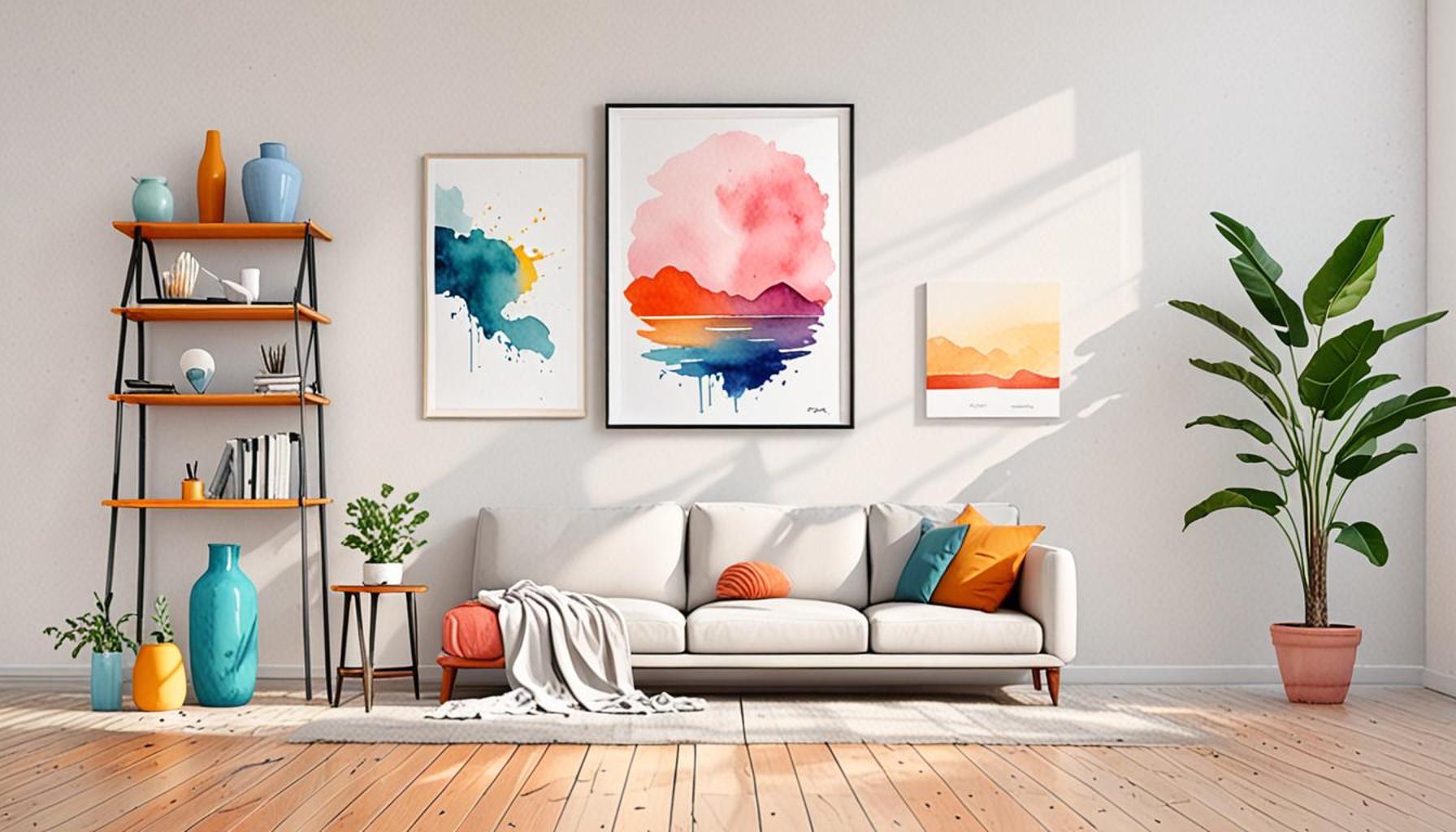
The importance of minimalism in reducing daily stress: creating a more peaceful living space
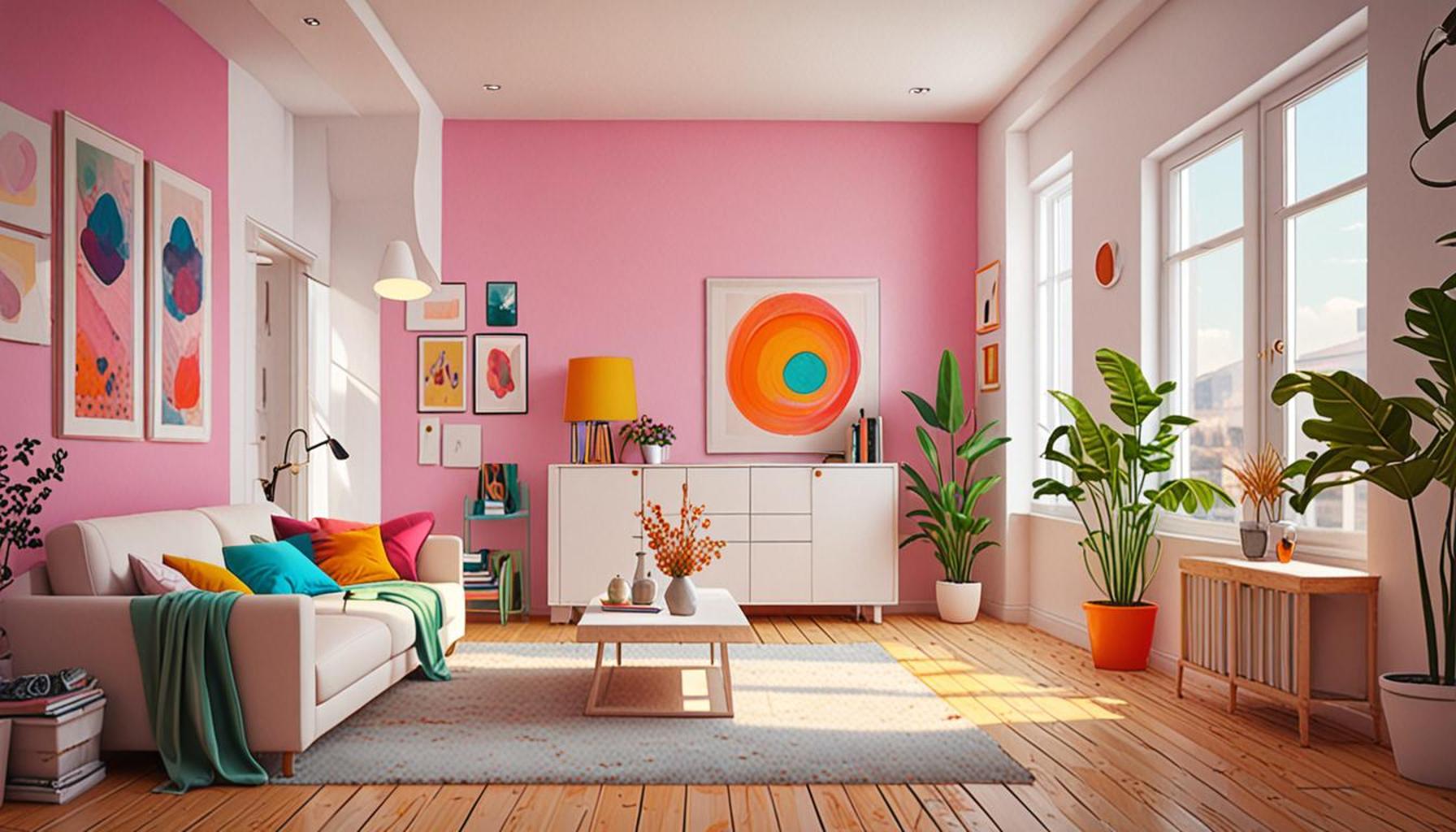
Creating Calm Amidst Chaos

In today’s fast-paced world, stress seems to be an inevitable part of daily life. The environment we inhabit plays a significant role in influencing our mental well-being. By adopting a minimalistic approach, we can foster a more tranquil atmosphere that promotes relaxation and clarity.
Why Minimalism Matters
- Declutters the Mind: A simple space leads to a clearer mind. When we remove unnecessary items from our surroundings, it can help alleviate feelings of anxiety and overwhelm. Studies have shown that a cluttered environment can lead to increased levels of cortisol, the stress hormone.
- Enhances Focus: Less visual distraction allows for better concentration. In settings where many distractions compete for our attention, such as in busy Nigerian markets or offices, maintaining a minimalist space can help us achieve our goals, fostering productivity and creativity.
- Promotes Peace: Reduced clutter contributes to a more serene home environment. Many Nigerians can relate to the serenity found in nature or during moments of stillness—embracing minimalism extends that feeling into our living spaces.
In Nigeria, where vibrant cultures and bustling streets can overwhelm the senses, embracing minimalism can be a game-changer. Consider the simple beauty found in traditional homes that prioritize space and functionality, often with wide, open rooms and carefully selected decor. Less truly can be more. The key benefits of minimalism include:
- Reduced decision fatigue: A smaller number of possessions makes choosing easier. For instance, imagine a wardrobe with only essential clothing items—getting dressed becomes a swift, stress-free experience.
- Lower maintenance: Fewer items mean less cleaning and organizing tasks. If you live in a busy urban area like Lagos, the ease of maintaining a minimalist home allows for more time spent enjoying life rather than stressing over chores.
- Increased joy: Focusing on meaningful items fosters greater appreciation and happiness. When every item in your home has significance or serves a purpose, the space transforms into a sanctuary that reflects who you truly are.
As we delve deeper into the importance of minimalism, you’ll discover how creating a more peaceful living space can significantly lower daily stress levels. This journey towards simplicity and tranquility is not merely about reducing physical possessions; it is also about cultivating a mindset that values quality over quantity. When we learn to let go of what we do not need, we make room for what truly matters, leading to a more fulfilled life.
By embracing a minimalist lifestyle in Nigeria, we can transform our homes into havens of calm. Explore local resources, connect with communities emphasizing minimalism, or even participate in workshops designed to inspire simplicity. The essence of minimalism lies not in deprivation but in liberation—freedom from distraction and a step towards emotional clarity. Join this journey towards simplicity and tranquility, and learn to embrace a lifestyle that promotes well-being and harmony.
Embracing Simplicity for a Calmer Life
The contemporary urban experience often intertwines with an avalanche of responsibilities, obligations, and sensory overload. In Nigeria, where daily life bustles with vibrant markets, honking vehicles, and public gatherings, the need for a peaceful retreat becomes paramount. Enter minimalism—a mindful approach that doesn’t just declutter physical space but actively contributes to emotional well-being.
The Emotional Benefits of Minimalism
Minimalism goes beyond aesthetics; it creates a mental reprieve from the chaos surrounding us. By simplifying our environment, we can experience a range of emotional benefits that help to alleviate stress:
- Improved Mental Clarity: When our spaces are cluttered, our minds can feel equally overwhelmed. Research indicates that when we streamline our environments, we can reduce feelings of anxiety, leading to a more productive and focused mindset.
- Safe Haven for Reflection: A minimalist space encourages introspection and creativity. In cities like Abuja, where life can feel fast-paced, creating a retreat within your home promotes mindfulness, allowing for moments of peace and reflection amidst the hustle.
- Fostering Connection: With less distraction from material items, we can foster stronger connections with family and friends. Creating a serene environment allows for more meaningful interactions and the cultivation of relationships, which is vital in close-knit communities across Nigeria.
Furthermore, the importance of minimalism extends to practical health benefits. Studies show that a serene environment can lower blood pressure and reduce stress-related ailments. By minimizing the visual noise that surrounds us, we elevate our mental and physical health, paving the way for a fuller, more harmonious existence.
Adapting Minimalism to the Nigerian Context
In adapting minimalism to our unique Nigerian context, it’s essential to consider cultural influences and personal experiences. Nigerian homes often reflect a rich tapestry of tradition, varying from vibrant fabrics to meaningful artwork. Minimalism isn’t about stripping away culture but rather finding the balance between appreciation and excess. By selecting a few cherished items that represent our heritage, we can honor our roots while embracing a simpler lifestyle that enhances our living spaces.
Moreover, it is crucial to understand that minimalism is not solely about reducing possessions; it’s also about adopting a mindset that prioritizes intentionality and functionality. When we become mindful of our consumption habits, we start to appreciate the things we choose to keep, allowing for a more enriching life experience. This shift in perspective can ultimately lead to a more fulfilled existence, where our homes reflect our true selves.
As we continue to explore the significance of minimalism, it becomes evident how this lifestyle choice can help us combat daily stressors—transforming our living spaces into sanctuaries of peace and tranquility. In an ever-changing world, embracing minimalism offers a refreshing way to restore balance amidst the chaos, allowing us to focus on what truly matters in our lives.
The Role of Minimalism in Enhancing Mental Clarity
Minimalism is not just about decluttering your physical space; it’s a pathway to improved mental clarity and emotional wellbeing. A calm environment allows individuals to think more clearly, make better decisions, and ultimately, lead a more fulfilling life. By consciously choosing to embrace a minimalistic lifestyle, you remove the distractions that clutter your mind. This corollary between physical space and mental state highlights how essential it is to curate the environments we reside in.
Moreover, engaging in minimalism can significantly reduce feelings of anxiety. With fewer possessions, there are less frequent distractions and stressors that may contribute to overwhelming feelings. Every item in your living space can evoke a memory, a feeling, or even an obligation. By reducing this burden, you can cultivate a peaceful living space, allowing your mind to focus on what truly matters. This transformation has a ripple effect, encouraging healthier lifestyle choices, improved relationships, and greater emotional resilience.
Creating a Functional Space
Adopting minimalism doesn’t mean you have to sacrifice style or comfort. In fact, minimalism promotes a functional living space that brings joy and meets your needs efficiently. By strategically selecting only essential furniture and decor, you can create a serene atmosphere that welcomes relaxation. Simple elements such as natural light, neutral colors, and open spaces foster a sense of calm, allowing you to unwind at the end of a long day.
Additionally, minimalism encourages individuals to invest in quality over quantity. Choosing a few high-quality items over numerous low-quality alternatives not only reduces clutter but also enhances your living experience. This approach promotes sustainability and encourages a mindful consumption mentality, reducing the stress associated with materialism.
| Category | Description |
|---|---|
| Mental Clarity | Enhanced focus and decision-making through a decluttered environment. |
| Reduced Anxiety | Fewer possessions lead to a decrease in distractions and emotional obligations. |
As you delve deeper into the world of minimalism, you may discover various strategies to implement this lifestyle approach effectively. Experiment with different methodologies, and identify what resonates best for you. The journey is personal and can transform not only your space but also your overall well-being.
Creating a Functional and Inviting Space
Minimalism is not merely about reducing items; it is about enhancing the functionality and beauty of your environment. In bustling cities like Lagos and Port Harcourt, where space is often at a premium, pursuing minimalism can lead to significant advantages. The key lies in transforming our living spaces to be not only less cluttered but also more intentional and inviting.
Designing for Functionality
One of the most compelling aspects of minimalism is its focus on functionality. In Nigeria, many homes are filled with items that serve little purpose other than to occupy space. By adopting a minimalist approach, homeowners can critically assess what truly adds value to their lives. Intentional design emphasizes the importance of choosing well-made, multi-functional furniture that maximizes utility without sacrificing style. For instance, a coffee table that doubles as storage allows for a clean look while providing essential functionality.
Incorporating local crafts or repurposed furniture can also promote minimalism while maintaining a unique cultural touch. The unity of tradition and modernity fosters an atmosphere that feels personal and purposeful. By integrating culturally relevant pieces, you eliminate the chaotic accumulation of unrelated items, thereby achieving a balanced aesthetic that alleviates mental strain.
The Role of Nature in Minimalist Spaces
Another vital aspect of minimalist living is the incorporation of nature. Research suggests that exposure to natural elements can profoundly impact our mental well-being. In Nigeria’s urban environments, where concrete often dominates, integrating indoor plants can bring a sense of calm and serenity. Plants not only improve air quality but also have a soothing effect, increasing feelings of peace and reducing stress levels.
By creating a nature-inspired minimalist space, individuals can experience a connection to the outdoors, which is particularly beneficial in a country rich with natural beauty, from the lush greenery of the Niger Delta to the serene landscape of the Mambilla Plateau. Strategically placing plants throughout the home can enhance relaxation, making the environment not just minimal but also refreshing.
Mindful Consumption Practices
Moreover, minimalism encourages mindful consumption. In today’s consumer-oriented society, the importance of thoughtful purchasing has never been more pronounced. Nigerians can benefit from embracing a lifestyle that prioritizes quality over quantity. Rather than impulsively buying items that will soon end up as clutter, one can aim for sustainable and ethically sourced products. This mindset not only aligns with minimalist principles but also contributes positively to the environment and local economy.
Taking the time to consider the items we bring into our homes can cultivate a more meaningful existence, reflecting personal values while promoting a stress-free living space. For instance, by supporting local artisans through intentional purchasing, individuals not only create a unique home environment but also foster community and connection.
Ultimately, the shift towards minimalism encourages a lifestyle that reflects personal choice and purpose. In environments where external chaos is unavoidable, cultivating a minimalist living space can be a necessary antidote, facilitating peace and tranquility in our daily lives.
YOU MAY ALSO LIKE: Read read another article
Conclusion
In an increasingly chaotic world, the principles of minimalism present a compelling solution for anyone seeking to reduce daily stress and create a more peaceful living environment. By focusing on quality over quantity, Nigerian homeowners can transform their spaces into havens that promote relaxation and mindfulness. The practice of intentional design—favouring multi-functional furniture and culturally significant decor—invites not only functionality but also a deepened connection to one’s heritage.
Moreover, integrating natural elements into our homes enhances well-being, reminding us of the lush landscapes that surround us. As studies indicate, the presence of greenery can increase feelings of tranquility and improve mental health, making it a vital aspect of minimalist living. This connection to nature, especially within urban settings, fosters a serene space where stress can diminish and peace can flourish.
Importantly, adopting a minimalist mindset encourages mindful consumption, urging individuals to reflect on the items curated within their homes. Supporting local artisans and choosing sustainable products not only aligns with the minimalist approach but also strengthens community ties and contributes to the local economy. This holistic view of minimalism extends beyond aesthetics; it represents a deliberate choice for a simplified yet enriched lifestyle.
Ultimately, minimalism serves as a powerful antidote to the overwhelm of modern life. By consciously creating spaces that reflect our values, we can cultivate a profound sense of calm and clarity. As we embrace this lifestyle, we empower ourselves to navigate daily challenges with resilience and grace, paving the way for a more peaceful existence.