
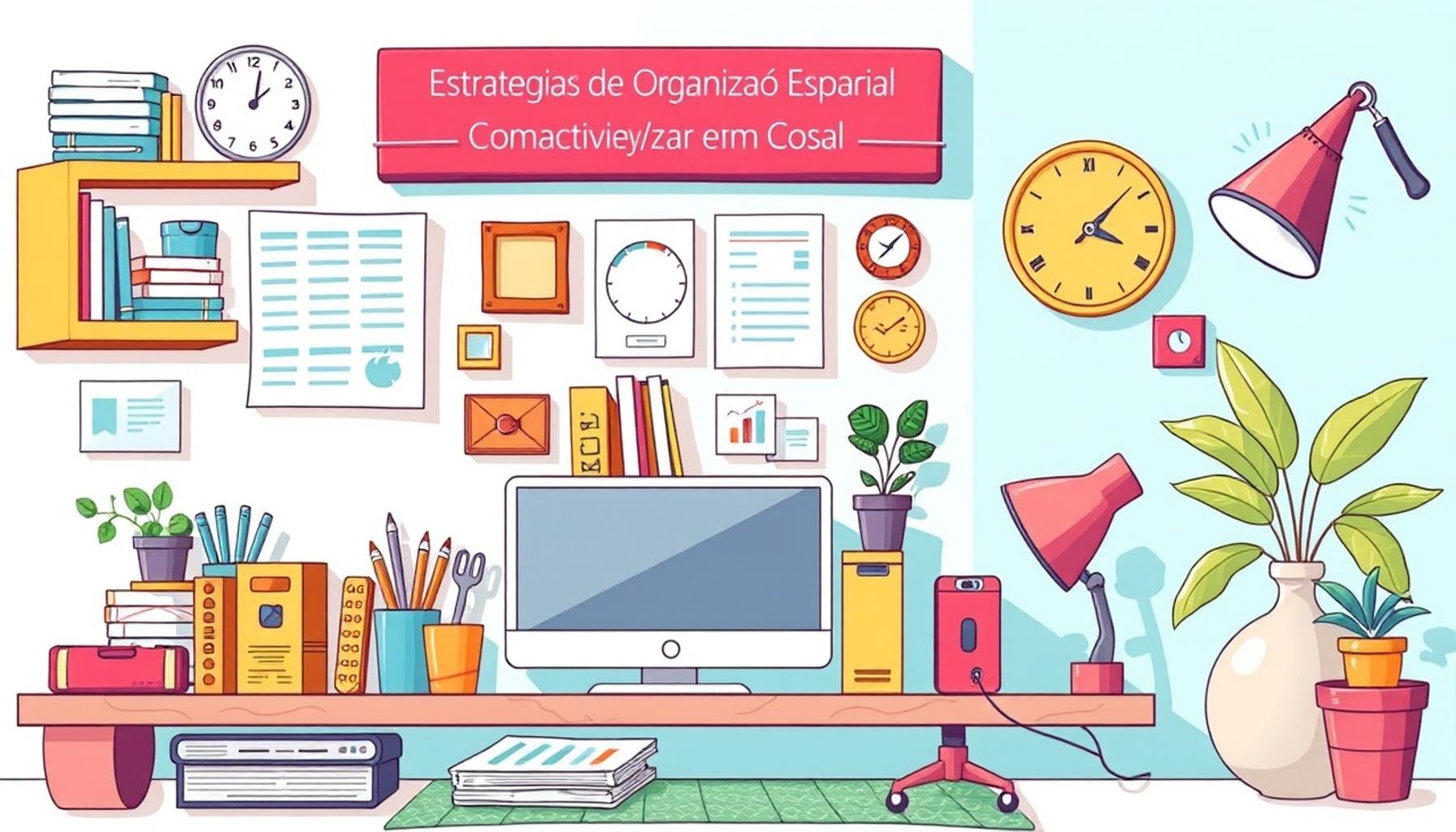
Elevating Your Creative Space
Creating an inspiring environment at home can significantly enhance creativity. With the right spatial organization strategies, you can transform your living space into a hub of innovation and inspiration. Many individuals overlook the profound impact their surroundings can have on their creative processes, but a well-organized space has proven to stimulate the mind and spark new ideas.
Consider these vital elements when organizing your space:
- Decluttering: One of the most important first steps is to remove unwanted items. A cluttered environment can lead to a cluttered mind, making it difficult to focus. According to organization expert Marie Kondo, the act of letting go of items that no longer serve you can lead to a clearer mindset and open up opportunities for creativity. Take time to tidy spaces regularly, ensuring only the essentials are visible, thus creating a serene atmosphere where creativity can flourish.
- Defined Zones: Creating distinct areas dedicated to specific activities can greatly enhance productivity. For instance, if you’re into writing, designate a small corner with a comfortable desk and good lighting. If you enjoy crafting, set up a well-organized crafting station stocked with all the materials you need. By having specific zones for different pursuits, you condition your brain to switch gears effectively when transitioning between tasks, enhancing focus and motivation.
- Natural Light: The importance of natural light cannot be overstated, as it has been linked to improved mood and productivity. Utilize windows to their fullest by keeping them unobstructed. You might also consider strategically placing mirrors to reflect light within the room, thereby amplifying both brightness and energy. Inviting more light into your space creates a vibrant atmosphere conducive to creativity.
Incorporating these strategies allows for a more productive and stimulating atmosphere. A well-organized home can lead not just to increased creativity, but also improved focus and overall well-being. For example, many artists find that a bright, airy studio enables them to produce more work than a dark and cramped space—proving that environment can greatly influence output.
Moreover, exploring how different layouts—like open spaces versus cozy nooks—can impact your creative flow is vital. An open layout encourages collaboration and communication, while a cozy nook allows for personal reflection and solitary concentration. Experimentation with furniture arrangement can also yield surprising benefits, like discovering a new perspective on your projects or igniting motivation through change.
If you’re keen to dive deeper into the world of spatial organization and creativity, there are numerous resources available, including workshops, online courses, and articles that offer practical solutions and innovative ideas. Consider assessing your own home and identifying areas for improvement. By making informed adjustments to your environment, you could unlock a new level of imaginative potential right at your fingertips.
LEARN MORE: Click here for insights on spatial organization
Designing Your Creative Sanctuary
When considering spatial organization strategies to maximize creativity at home, it is pivotal to remember that your physical environment directly influences your mental state. A well-thought-out space can fuel inspiration and lead to heightened productivity. Below, we explore key strategies that can help you design your own creative sanctuary.
- Utilize Vertical Space: In homes with limited floor space, vertical organization is a game-changer. Shelving units and wall-mounted storage can free up room while also providing a creative visualization of your artistic journey. Display your works-in-progress or materials on shelves as a constant reminder of your projects, encouraging ongoing engagement and creativity. This strategy not only keeps items organized but also inspires new ideas by keeping your materials in sight and accessible.
- Incorporate Personal Elements: Personal mementos, such as photographs, travel souvenirs, or meaningful artwork can signal creativity and instill comfort. Surround yourself with items that resonate with your identity and aspirations. Experts suggest curating a vision board or inspiration wall can serve as a visual cue to ignite creativity at any moment. By making your creative space a reflection of who you are, you can foster motivation and a sense of connection to your work.
- Soundscaping: The auditory elements of your environment also play a significant role in your creative process. Consider adding sound-absorbing materials like rugs and curtains to minimize distractions. Some individuals benefit from background noise, so curated playlists or nature sounds can help set the tone for creativity. Creating an atmosphere that supports your preferred sound environment can lead to more productive brainstorming sessions and creative breakthroughs.
These strategies form the foundation for a space tailored to nurture creativity. Decorating with intention and correlation will not only heighten your creative output but also foster an inviting environment that you genuinely enjoy spending time in. Studies have shown that the more comfortable and personalized the workspace, the more likely individuals are to engage with their creative tasks.
In experimenting with spatial organization, it can be beneficial to assess how various textures and colors influence your mood. Bright, vibrant colors may invigorate creativity, while soft, muted tones can provide a calming backdrop for focused work. Play around with different themes and designs—perhaps a minimalist approach to encourage clarity or a bohemian style to foster free-spirited thinking. Finding the right aesthetic will enhance not only your space but also your creative process.
As you explore these spatial organization strategies, consider documenting your journey. Keeping a journal or taking photographs can help you track your evolving space and its impact on your creativity. Over time, you may notice patterns and discover what arrangements work best for you, allowing you to continue evolving your creative sanctuary for optimal inspiration.
| Spatial Organization Strategy | Advantages |
|---|---|
| Decluttered Workspaces | Promotes focus and reduces distractions, enabling better creative flow. |
| Zoned Environments | Encourages specific activities in designated areas, enhancing productivity and innovative thinking. |
| Natural Lighting | Increases mood and energy levels, thereby inspiring creativity and concentration. |
| Personalized Decor | Enhances emotional connection with spaces, driving imaginative engagements and ideas. |
Spatial organization not only defines the aesthetics of your home but plays a critical role in the enhancement of your creative potential. Emphasizing a decluttered workspace helps create an inviting environment free from distractions. Similarly, strategically zoning your areas can catalyze productivity by assigning specific spaces for thought and creativity. For instance, a dedicated reading nook can serve as a hub for inspirational ideas and reflection.Incorporating natural lighting is another essential aspect. Studies show that well-lit environments improve mood and energy, thus enhancing brain function and creativity levels. Moreover, the power of personalized decor acts as a subconscious motivator. Surrounding yourself with items reflecting your personal story can unlock new avenues of thought, spurring innovative ideas. Each of these strategies invites you to delve deeper into methods to transform your environment into a fountain of creativity.
DISCOVER MORE: Click here to learn how time management can enhance your well-being
Creating Functional Zones for Enhanced Focus
One of the most impactful spatial organization strategies to maximize creativity at home involves creating distinct functional zones tailored to different tasks. By demarcating areas for specific activities, you can cultivate a space that enhances focus, reduces distractions, and encourages creativity to flow more naturally. Here, we dive into how to effectively create and optimize these zones within your home.
- Designate a Creation Corner: Setting aside a dedicated space that serves solely as your creative outlet can work wonders for your productivity. This corner can be outfitted with materials specific to your art form—whether that be a drafting table with high-quality paper and pencils for artists, or a cozy nook with a sewing machine and fabric for textile enthusiasts. The key is to create a physical boundary that signals your brain: this is where creativity happens. For instance, an artist might include mood boards and sketchbooks to stimulate ideas, while a writer might keep their favorite quotes and notes around them for inspiration.
- Establish a Quiet Zone: Creativity often flourishes in silence. Nevertheless, in a bustling household, finding a quiet retreat may prove challenging. Creating a domestic sanctuary by allocating a dedicated space for reflection or deep work can enhance your cognitive abilities. Equip this zone with comfortable seating, ample natural light, and essentials such as noise-canceling headphones or calming scents like lavender and eucalyptus. This silent haven allows your mind to roam freely, making way for deeper thoughts and innovative problem-solving.
- Adapt Spaces for Collaboration: If your creative pursuits are often collaborative, consider organizing a space that encourages teamwork. An oversized table or modular seating arrangements can facilitate discussions and brainstorming sessions. Use whiteboards or sticky notes for visual brainstorming, which can help in capturing spontaneous ideas that arise during group sessions. Elements like large screens for virtual meetings or shared digital whiteboards can also be invaluable in a time when remote collaboration is prevalent. This approach not only energizes your creativity but also helps in establishing stronger connections with fellow creators.
As you delineate these functional zones, consider the idea of flow within your space. The movement from one area to another should feel organic. For example, positioning your creation corner adjacent to your quiet zone can facilitate a seamless transition between brainstorming ideas and focusing on their execution. The less friction there is in navigating your space, the more fluid your creative processes become. Moreover, installing proper lighting throughout these areas can enhance energy levels. Natural light is a critical factor in creating an environment conducive to creativity, while adjustable lighting helps adapt ambiance based on the task at hand.
Additionally, don’t shy away from experimenting with the layout of your zones. Rearranging furniture or modifying decoration can rejuvenate your space and invigorate your creative energy. Studies show that a dynamic environment can stimulate innovative thinking and bring a new perspective to mundane tasks. As a result, refreshing the spatial organization at home becomes an exciting process, as you continually refine the settings that work best for your creative endeavors.
Lastly, it’s essential to periodically assess how these zones function. Keeping a creative journal in which you reflect on your experiences and take note of patterns in productivity can lead to valuable insights. This feedback loop allows you to adapt your space over time, ensuring it remains tailored to your evolving creative journey.
DISCOVER MORE: Click here to find out how to create your ideal home office</
Conclusion
In today’s fast-paced world, the need to cultivate creativity from the comfort of our homes has never been more essential. Spatial organization strategies serve as a powerful tool to harness and maximize this creativity. By designing distinct functional zones—each dedicated to specific tasks—we can tailor our environments to better fit our creative needs. From a focused creation corner that inspires spontaneity, to a serene quiet zone that fosters reflection, the organization of our spaces plays a critical role in enhancing both productivity and innovation.
Furthermore, collaborative spaces can invigorate our creative juices, encouraging the exchange of ideas and amplifying the synergy that arises through teamwork. Flexibility in layout and mindful adjustments ensure that our environments remain dynamic, supporting our evolving creative processes. Keeping a creative journal not only aids in reflection but enables us to fine-tune our spaces based on observed patterns in productivity.
Ultimately, the key lies in understanding and leveraging the intricate relationship between our environments and creative output. As we actively design our homes to be supportive of our creative journeys, we not only unlock potential within ourselves but also encourage a culture of innovation that can resonate beyond our private spaces. So, embark on this path of exploration—rearranging, redefining, and reimagining the places where creativity thrives. The more intentional we are about our spatial organization, the more we empower ourselves to dream, create, and innovate.