
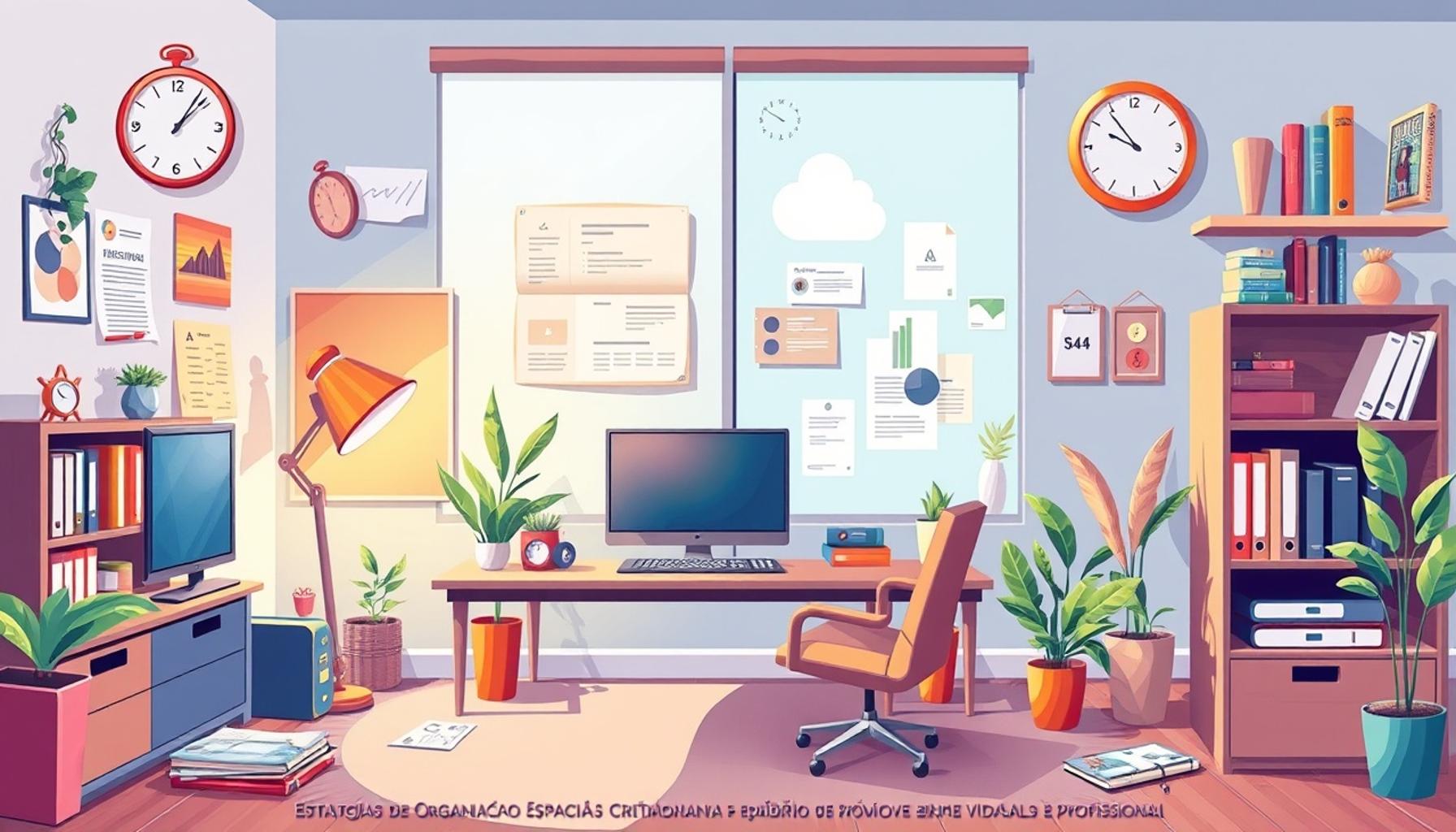
Creating a Productive Home Office Environment
In the evolving landscape of work, where remote setups have transitioned from a luxury to a necessity, the significance of the home office continues to rise. For many, the home has become not just a personal sanctuary but also a hub for professional engagement. As the boundaries between personal and professional life blur, it’s essential to cultivate a workspace that enhances productivity while fostering a sense of well-being.
When designing your home office, several vital considerations can shape your overall work experience. By focusing on strategic planning and organization, you can create an environment tailored to your unique work style.
Designated Work Zones
One of the first steps in establishing an effective workspace is to designate specific areas solely for work-related activities. This might mean setting up a particular room, a section of a room, or even a corner that is visually and psychologically distinct from personal areas. For instance, wealthier individuals might have dedicated offices, while others may use space in their living rooms or spare bedrooms. Incorporating elements like a different colored wall or specific decor pieces can help signal to you, and your family, that this is an area for focus and productivity, reducing distractions.
Ergonomic Furniture
Investing in ergonomic furniture is crucial for long-term comfort and health, especially if you spend hours seated. Opting for adjustable chairs that support your back and desks that can rise to standing height can drastically improve your posture and reduce discomfort. Numerous online resources, such as ergonomic product reviews and recommendations, can guide you in selecting the best items for your home office.
Natural Light
Utilizing natural light is another key aspect of home office design. Studies indicate that working in well-lit environments can significantly enhance mood and energy levels while reducing eye strain. Position your desk near windows to take advantage of sunlight, but also consider treatments like sheer curtains that diffuse harsh light without blocking it out. This not only brightens your workspace but also creates a more inviting atmosphere.
Minimalist Decor
To maintain focus and clarity, minimalist decor within your workspace can be particularly effective. A cluttered space can lead to a cluttered mind, making it challenging to concentrate on tasks. Keeping decorations to a minimum and organizing supplies can create a clean and efficient environment. Consider implementing storage solutions, such as shelving and drawer organizers, to keep your workspace orderly while allowing a few personal touches, like plants or art, that inspire motivation.
By exploring these strategies, you can transform even the smallest corner of your home into an efficient office that meets both personal and professional needs. Tailoring your workspace to reflect your work style not only heightens productivity but also ensures a balanced approach to daily life. As we delve deeper into innovative techniques for organization and workspace design, you can discover ways to promote efficiency while nurturing well-being. This journey into optimizing your home office may very well lead to a more rewarding work-life harmony.
DISCOVER MORE: Click here for tips on balancing your personal and professional life
Spatial Strategies for a Harmonious Work-Life Balance
As the trend towards remote work solidifies into our professional culture, the importance of effectively organizing your home office cannot be overstated. In the quest to create a workspace that enhances productivity while allowing for personal relaxation, several spatial organization strategies come into play. These strategies not only help to maintain a clear distinction between home and work life but also create an ambiance conducive to creativity and focus.
Understanding the Flow of Space
One of the pivotal aspects of creating a balanced home office lies in understanding the flow of space. A well-organized area allows for seamless transitions between work tasks and personal activities. Consider the layout of your home: does your workspace have a natural flow without excessive obstacles? Orienting your desk towards windows or open pathways can cultivate a sense of openness, helping boost mental clarity. This spatial awareness can be crucial when planning your workspace as it sets the tone for how both work and personal interactions unfold throughout your day.
Incorporating Versatile Furniture
Versatile furniture plays a significant role in maintaining flexibility within a home office. For example, a desk that doubles as a dining table can help you switch from working hours to leisure activities effortlessly. Additionally, portable storage units can enable you to tidy away work materials quickly when it’s time to unwind. This dual-purpose approach not only maximizes your space but also encourages a smooth balance between your professional responsibilities and personal downtime. Consider the following pieces:
- Convertible Desks: These can adjust to standing or sitting positions, fostering movement during working hours.
- Compact Shelving: By utilizing vertical space, shelving can provide ample storage without overwhelming your area.
- Foldable Chairs: Easily stowaway chairs can be used for meetings or additional seating when entertaining guests.
Utilizing Sound Barriers
Creating a tranquil work environment can sometimes be overlooked but remains a fundamental aspect of spatial organization. Introducing sound barriers, such as bookshelves or soft furnishings, can help absorb noise and create a calming atmosphere. This becomes especially important in shared living spaces or households with children. By quieting distractions, you allow yourself to delve deeper into tasks, enhancing focus and efficiency. Additionally, integrating elements like area rugs or acoustic panels can beautify your office space while providing that necessary sound insulation.
Identifying Personal and Professional Zones
To further promote equilibrium, distinguishing between personal and professional zones sets clear boundaries within your living space. This could be accomplished through distinct color themes or spaced-out furniture arrangements that delineate work from leisure. For example, using soft tones for personal areas, such as a reading nook, can evoke relaxation, while brighter colors in your office area can stimulate alertness and creativity. Ultimately, mapping out your space thoughtfully can establish psychological boundaries that help you transition smoothly between roles without the feeling of overlap.
In the journey to achieve a well-organized home office, integrating these spatial organization strategies allows you to cultivate a serene workspace that aligns with your core needs. By harnessing the principles of flow, versatility, acoustics, and clear delineation, you will not only enhance productivity but also foster a harmonious balance between your professional and personal life.
Spatial Organization Strategies for Home Office: Creating a Space that Promotes Balance between Personal and Professional Life
Creating an effective home office is crucial in achieving a harmonious balance between our personal and professional lives. To help facilitate this balance, applying spatial organization strategies can greatly enhance our productivity and well-being. This section will delve into specific techniques that can transform your workspace into an oasis of focus and balance:
| Category 1 | Category 2 |
|---|---|
| Zoning | Designate specific areas for work, leisure, and personal tasks. |
| Ergonomics | Invest in comfortable furniture to promote health and productivity. |
Implementing zoning in your home office helps to create physical boundaries that separate work from relaxation. For example, designating one corner of your room as the workspace while leaving another area for personal activities can psychologically signal when it is time to work and when it is time to unwind. This technique not only fosters concentration but also prevents work from spilling over into personal time.
Furthermore, ensuring that the office is designed with ergonomics in mind is essential for sustaining energy levels throughout the day. Investing in an ergonomic chair and desk, along with proper lighting, can significantly enhance comfort and productivity, minimizing the risk of fatigue or work-related injuries. Achieving this physical comfort is vital in maintaining a work-life balance, as it allows you to focus on tasks without the distractions of discomfort.
Stay tuned as we explore additional strategies, such as decluttering and incorporating nature into your home office, to further enhance your workspace and balance.
DISCOVER MORE: Click here to dive deeper
Enhancing Productivity through Thoughtful Design
As we delve deeper into the intricacies of spatial organization strategies, it becomes increasingly clear that enhancing productivity not only relies on the structure of the workspace but also the design elements that evoke a conducive environment. Integrating aesthetic considerations while ensuring functionality can fundamentally change how one engages with both work and personal life. By exploring natural light, color psychology, and personalized decor, we can create a home office that not only meets the demands of a professional setting but also resonates with personal comfort.
Leveraging Natural Light
The impact of natural light in a workspace cannot be overstated, as it directly influences mood and productivity levels. Research suggests that exposure to daylight enhances focus and reduces stress levels. When setting up your home office, position your desk near windows where natural light streams in. If your light source is limited, consider pairing soft white bulbs with your decor to mimic daylight and cultivate an inviting atmosphere. Utilizing sheer curtains or blinds allows you to manage glare while still benefiting from natural illumination. Such connections to the outside world can invigorate your day, bridging the tranquil essence of home with the drive needed for work.
Harnessing Color Psychology
The colors you introduce into your home office can significantly shape your mental state and productivity. For instance, blue hues are known to stimulate feelings of calm and boost concentration, making them ideal for workspaces. Conversely, yellow can evoke energy and creativity, perfect for brainstorming and idea generation. When designing your office, opt for a muted palette and incorporate these colors in accents—think artwork, wall decorations, or even office supplies. By tailoring the color scheme around your personal preferences and professional needs, you can enhance both creativity and efficiency while maintaining a balanced environment.
Adding Personal Touches
Incorporating personal elements into your workspace can also enhance emotional well-being. Surrounding yourself with items that inspire you—such as framed photos, plants, or motivational quotes—helps create a connection between your work and personal life. Research indicates that integrating biophilic design—the inclusion of natural elements—can reduce stress and improve air quality. Adding houseplants not only beautifies the space but also fosters a connection to nature, promoting a sense of balance. Consider low-maintenance varieties like succulents or snake plants that can thrive in various light conditions. The combination of personal artifacts and greenery can create a motivating ambiance that invites both work-related focus and personal solace.
Flexible Zones for Dynamic Transitions
A pivotal aspect of a well-organized home office is creating flexible zones that encourage smooth transitions between various activities. For example, consider setting up a small lounge area or reading nook adjacent to your workspace. By including comfortable seating and adequate lighting, you create a sanctuary for breaks where you can switch gears, fostering relaxation before returning to work. Utilizing rugs or room dividers can effectively delineate these areas without the need for permanent barriers. This design fosters a psychological ease when transitioning between work and leisure, allowing your mind to reset as you move from one zone to another.
Incorporating these spatial organization strategies into your home office design can greatly enhance your ability to balance personal and professional life. By thoughtfully acknowledging natural light, utilizing color psychology, and creating flexible zones, you can cultivate a workspace that serves as both a hub of productivity and a retreat for personal rejuvenation, leading to a fulfilling remote working experience.
DIVE DEEPER: Click here for insights on mindset and time management
Conclusion: Achieving the Perfect Harmony
In essence, the journey toward creating a successful home office that fosters a harmonious blend of personal and professional life hinges on the implementation of spatial organization strategies. By embracing thoughtful design elements—such as maximizing natural light, integrating color psychology, and adding personal touches—we set the stage for increased productivity and mental well-being. The importance of a workspace that energizes yet soothes cannot be overstated, especially in our increasingly digital world where the boundaries between work and leisure often blur.
The configuration of flexible zones promotes the ability to transition seamlessly between tasks and recharge during breaks. This balance not only supports higher efficiency but also nurtures creativity and personal fulfillment. As you design your workspace, consider how each element contributes to your mental state and comfort levels, and personalize it to suit your unique needs. Whether it’s a cozy reading corner or vibrant artwork, these components are essential to how we engage with our tasks and ourselves.
As we adapt to the realities of remote work, let us strive to create spaces that are not just functional, but also reflect our individual styles and aspirations. Ultimately, the aim is to develop a home office that not only meets our professional demands but also stands as a sanctuary of motivation and balance, making the remote working experience not just productive, but also deeply rewarding. Explore these strategies, and elevate your workspace to a new level of inspiration and efficiency.