Spatial Organization Strategies for Home Office: Creating a Space that Promotes Balance between Personal and Professional Life

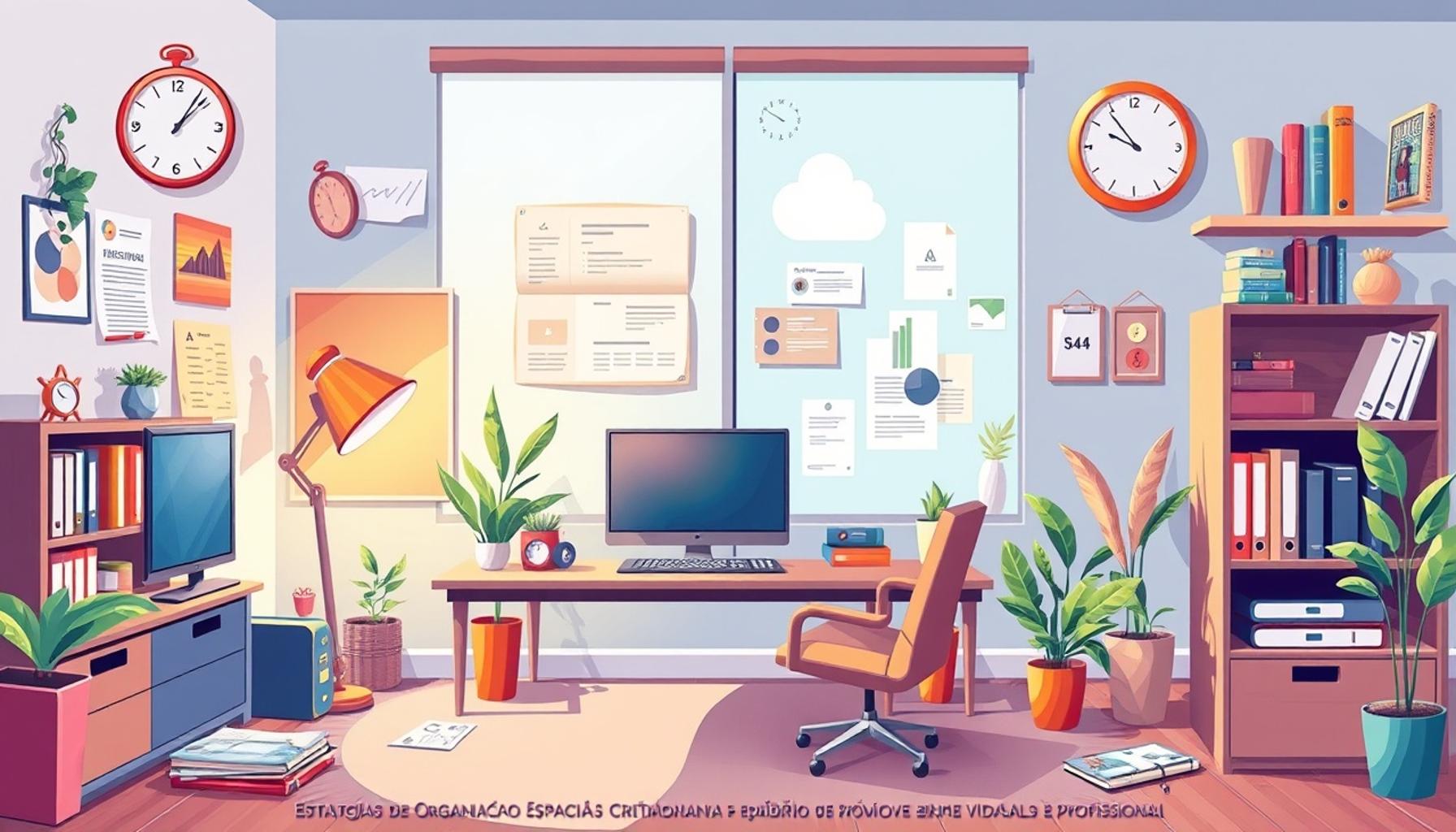
Creating a productive home office requires thoughtful spatial organization strategies that promote a balance between personal and professional life. By designating work zones, utilizing ergonomic furniture, maximizing natural light, and incorporating minimalistic decor, you can enhance productivity while fostering well-being in your workspace.

The Relationship between Physical Space Organization and Time Management: Tips to Optimize Daily Routine

The organization of physical space plays a crucial role in effective time management. A tidy environment reduces stress and enhances focus, while strategic techniques like decluttering and designating work zones can optimize daily routines. Leveraging technology further streamlines tasks, fostering productivity and improving overall efficiency in managing time.

How Collaborative Space Organization Can Improve Team Dynamics

Effective collaborative space organization significantly enhances team dynamics by fostering communication, flexibility, and a culture of collaboration. Thoughtful space design promotes adaptability, boosts productivity, and nurtures employee satisfaction, ultimately unlocking a team’s full potential and driving innovation within organizations. Investing in these environments is crucial for success.

Unveiling the Power of Spatial Organization: Techniques to Create an Inspiring Work Environment

This article explores the transformative impact of spatial organization in workplaces, emphasizing techniques that enhance productivity, creativity, and employee well-being. By integrating thoughtful design, natural elements, and technology, businesses can create inspiring work environments that foster collaboration and satisfaction, ultimately driving success and engagement among teams.

Maximizing Efficiency: How to Organize Your Workspace to Boost Productivity

Organizing your workspace is crucial for maximizing efficiency and boosting productivity. A clean environment enhances focus and creativity, while ergonomic furniture prevents discomfort. Implementing strategic layouts, decluttering regularly, and adding personal touches can transform your workspace into a motivating hub for optimal performance. Simple changes lead to significant results.

How the Organization of Space Influences Creativity and Innovation in Work Environments

The organization of workspace significantly affects creativity and innovation in work environments. Thoughtfully designed spaces, including open layouts, quiet zones, and flexible areas, foster collaboration and individual focus. Integrating technology and nurturing a supportive culture further enhances cognitive function and idea generation, paving the way for sustained organizational success.

The Importance of Spatial Organization in Stress Reduction and Increased Concentration

A well-organized environment is vital for stress reduction and increased concentration. By minimizing clutter, individuals can enhance mental clarity and boost productivity. Spatial organization fosters a serene atmosphere, supports effective time management, and significantly improves emotional well-being, making it essential for both personal and professional settings.

The Impact of Spatial Organization on Freelancers’ Productivity: Creating an Efficient Workspace at Home

This article examines how spatial organization impacts freelancers’ productivity by highlighting the importance of workspace design. Key elements like defined areas, ergonomic furniture, optimal lighting, and minimal distractions are essential for creating an efficient home office. Thoughtful layout and personalization can significantly enhance focus, creativity, and overall productivity.

Practical Tips for Organizing Study Spaces and Increasing Knowledge Retention

Creating an effective study environment enhances focus and boosts knowledge retention. Key strategies include optimizing your space with proper lighting and ergonomics, minimizing distractions, and developing a structured study routine. These practical tips help transform your study habits, leading to improved academic performance and a rewarding learning experience.

The Influence of Spatial Organization on the Mental Health and Well-Being of Professionals

Workplace spatial organization significantly affects professionals’ mental health and well-being. Thoughtful design, including natural elements, flexible layouts, and effective acoustics, enhances employee satisfaction and productivity. Prioritizing such environments promotes emotional stability, reduces stress, and fosters a healthier, more collaborative work culture. Investing in these aspects pays dividends in overall organizational success.