
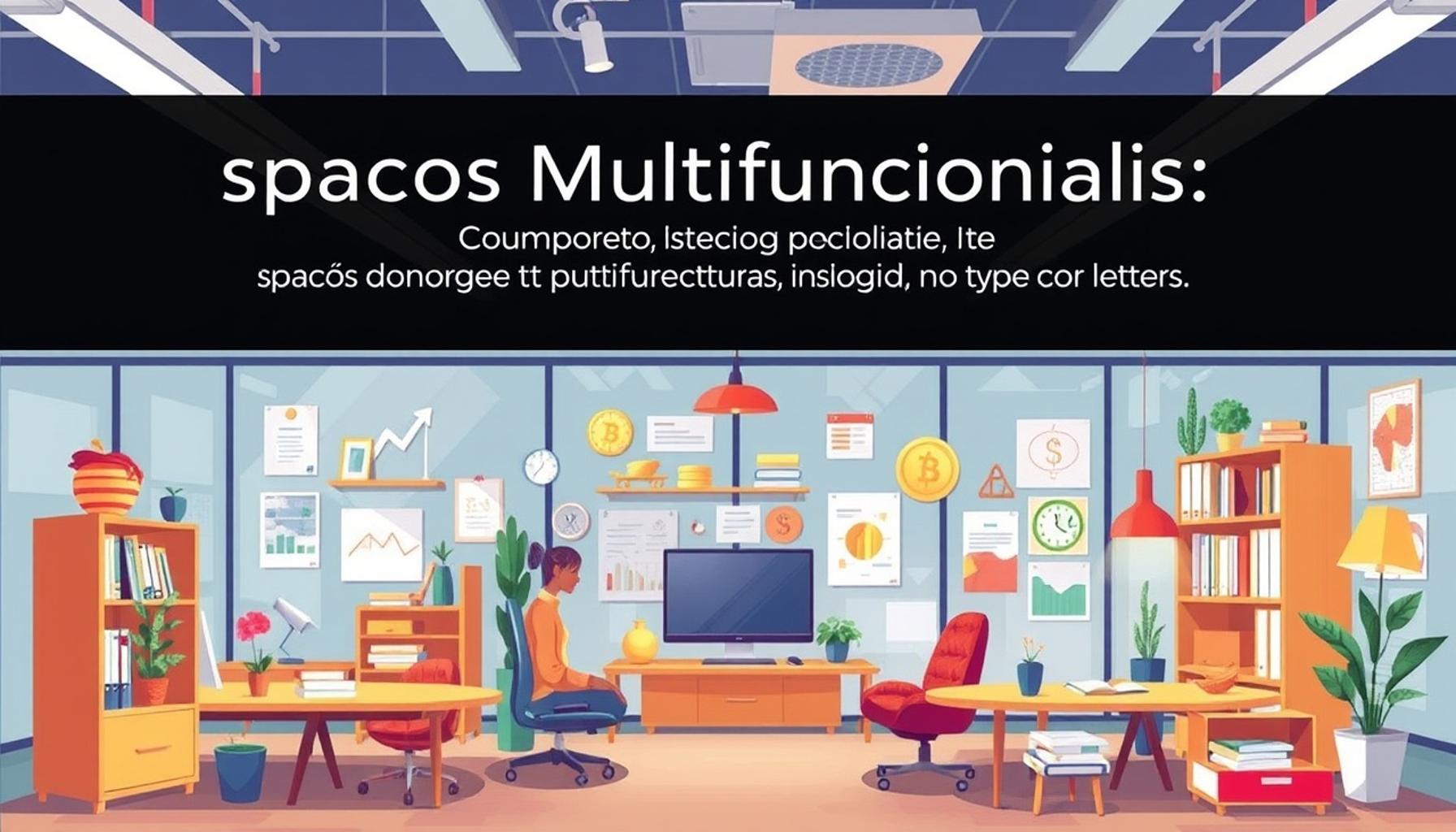
Unity in Diversity: The Rise of Multifunctional Spaces
In today’s fast-paced world, the need for multifunctional spaces has never been more pronounced. As urban dwellings shrink and lifestyles diversify, organizing environments that cater to multiple activities is essential. Multifunctional spaces not only streamline functionality but also enhance the overall experience of daily living, allowing individuals and families to adapt their environments to their changing needs.
Why Multifunctional Spaces Matter
Such spaces provide various benefits, including:
- Maximized Space Efficiency: In urban settings, where square footage often comes at a premium, every corner must be utilized effectively. Multifunctional elements like fold-out tables, Murphy beds, or integrated storage solutions allow for efficient use of small spaces.
- Reduced Clutter: When spaces serve multiple functions, there’s less need for numerous pieces of furniture and decorations. For instance, an ottoman that doubles as storage helps keep the living area tidy while providing extra seating.
- Flexibility: Multifunctional spaces can easily be reconfigured for different activities. For example, a living room can transition from a productive workspace during the day to a cozy movie night venue after hours, promoting a seamless flow in daily schedules.
Key Examples of Multifunctional Spaces
Consider the following examples where multifunctional design excels and enhances usability:
- Living Rooms: These central hubs can transform from cozy lounges into productive home offices. Incorporating desk spaces that blend into shelving units or using sliding partitions to create private nooks can facilitate both relaxation and focus.
- Kitchens: The heart of the home can serve multiple purposes, doubling as dining areas and entertainment zones. Features like an island with seating enable family meals and casual gatherings, while innovative appliances merge cooking functionality with aesthetic appeal, often fostering community around culinary activities.
- Outdoor Areas: With the rise of urban gardening trends, backyards are increasingly combined with entertaining spaces. Patios outfitted with comfortable seating, fire pits, and grills encourage social gatherings while also being conducive to gardening activities, maximizing utility of outdoor living spaces.
The burgeoning trend of multifunctionality necessitates an understanding of how to optimize organization within these spaces. Recent research indicates that as people increasingly work from home, adaptable environments are vital for maintaining productivity and comfort. Innovations like mobile furniture and smart storage solutions are paving the way for a more organized and enjoyable lifestyle.
As we delve deeper into the landscape of multifunctional spaces, we uncover not only design strategies but also a dynamic approach to modern living that resonates with diverse lifestyles and preferences. Embracing these concepts can lead to a better quality of life, encouraging individuals to explore the possibilities that lie within their own homes.
DISCOVER MORE: Click here to dive into vision board strategies
The Art of Combining Functionality and Aesthetics
The integration of multifunctional spaces within our homes is about more than just saving square footage; it’s an art form that blends *functionality* and *aesthetics*. With a growing emphasis on creating versatile environments, particularly during an era where telecommuting and flexible living arrangements have surged, inhabitants need a deeper understanding of how to design these spaces effectively. To truly capitalize on *multifunctional spaces*, one must consider layout, design strategies, and the incorporation of furniture that adapts, rather than confines.
Understand Your Needs
Before diving into organization and design, it’s crucial to identify the specific activities that will take place within these spaces. Assessing individual or family needs paves the way for personalized multifunctional areas that cater to various lifestyles. Here are some key factors to consider:
- Work vs. Leisure: Determine how much time will be spent on work-related tasks versus leisure activities. This understanding will guide the alchemy of space—ensuring that workstations can transform into relaxation zones seamlessly.
- Social Interaction: Consider how frequently social gatherings will occur in these spaces. Multifunctional designs should accommodate mingling and connection, whether it entails hosting friends for dinner or enjoying a quiet family movie night.
- Adaptability: As interests change, so may the functions of a space. For example, a craft corner can also serve as a home office or homework area. Flexibility is key to ensuring that the design remains relevant over time.
Design Strategies for Multifunctional Spaces
To optimize organization, various strategies can be employed. Thoughtfully designed *multifunctional spaces* incorporate elements that not only serve multiple purposes but also exude style and coherence. Here are some innovative approaches:
- Zone Designation: Clearly defining different areas within a space—for instance, a workspace in a living room—creates a sense of order. Utilize rugs, furniture arrangement, and lighting to establish distinct zones that serve specific functions.
- Flexible Furniture: Invest in pieces that can adapt. Foldable desks, expandable dining tables, and storage ottomans can be easily repositioned based on the needs of the day or activity—promoting an organized yet dynamic environment.
- Smart Storage: Outfitting spaces with innovative storage solutions, such as wall-mounted shelves or hidden compartments, helps to reduce clutter. A well-organized space not only enhances functionality but also contributes to a peaceful atmosphere.
By understanding personal needs and implementing design strategies that prioritize flexibility and organization, one can elevate a home into a *multifunctional oasis*. These spaces embody resilience and adaptability, providing the foundation for enriching daily experiences—whether that involves balancing work, play, and leisure all in one place. As this trend continues to gain momentum, homeowners have the opportunity to redefine their environments, emphasizing the beauty and efficiency of multifunctionality.
Unlocking the Potential of Multifunctional Spaces
As spaces evolve to accommodate the demands of modern living and working, the importance of multifunctional spaces cannot be overstated. These environments allow for seamless transitions between numerous activities, catering to both personal and professional needs without sacrificing efficiency or style. By thoughtfully organizing spaces, individuals can enjoy enhanced productivity and improved well-being.
One key advantage of multifunctional spaces is their ability to maximize utility. For example, a living room that doubles as a home office can save on square footage while creating a conducive atmosphere for both relaxation and focus. Furthermore, when designing such spaces, versatile furniture like foldable tables or modular seating can facilitate easy transitions between activities, allowing for a more dynamic living or working experience.
Additionally, these spaces promote social interaction by encouraging collaboration and community engagement. Open-plan layouts often found in multifunctional designs foster easier communication among household members or coworkers, breaking down barriers and enhancing connections. This sociability is crucial in today’s world, where effective collaboration often leads to greater innovation and creativity.
Moreover, implementing organizational systems tailored for multifunctional spaces can significantly improve overall functionality. Smart storage solutions, like built-in shelves or multi-purpose furniture, contribute to a clutter-free environment, which in turn can boost mental clarity and enhance focus. Such strategies are essential for creating spaces adaptable to various activities, whether it’s hosting guests, working from home, or enjoying personal hobbies.
| Advantages | Key Features |
|---|---|
| Maximized Utility | Versatile furniture helps in transforming spaces quickly. |
| Enhanced Social Interaction | Open layouts create a collaborative atmosphere. |
| Organizational Systems | Smart storage keeps spaces clutter-free and functional. |
Ultimately, exploring the realm of multifunctional spaces opens up a world of possibilities for optimizing organization and enhancing daily life. Whether you are rethinking your home or workspace, embracing this concept can lead to truly transformative experiences that align with contemporary lifestyles.
DISCOVER MORE: Click here to learn about the benefits of daily review rituals
Embracing Technology for Enhanced Functionality
As we embrace the concept of multifunctional spaces, integrating technology into these environments can significantly enhance their functionality. With advancements in smart home technology, homeowners are equipped with tools that promote efficiency and streamline daily routines. Each piece of technology serves a dual purpose, allowing spaces to evolve based on specific needs or times of the day. Here are some ways to leverage technology for optimizing multifaceted environments:
Smart Furniture Solutions
Modern furniture designs now incorporate technology, seamlessly blending style with convenience. Smart desks that can adjust height for sitting or standing accommodate various work preferences, thus catering to health and productivity. These desks can also integrate digital hubs for charging devices, reducing visible cords and maintaining a clean look. Similarly, entertainment systems disguised as elegant furniture open up multifunctional opportunities for both leisure and work.
Integrated Audio and Visual Systems
In a multifunctional space where social gatherings or work presentations occur, an integrated audio-visual system is invaluable. Voice-activated devices can help manage lighting and sound levels, ensuring the atmosphere fits the occasion. For example, a family movie night can transform the lighting to soft hues, while a work session can switch on bright task lighting with a simple voice command. This versatility offers a dynamic experience while eliminating the need for multiple remotes or complicated setups.
Organizational Apps and Digital Tools
Alongside physical adjustments, digital organization can elevate the efficiency of multifunctional spaces. Apps designed for task management and scheduling can maximize productivity, reminding users of work tasks while still allowing for leisure activities. Strategically placing charging stations for devices in these spaces ensures that technology is organized and accessible without contributing to clutter. The combination of physical and digital organization fosters an environment where productivity and relaxation can harmoniously coexist.
Space Optimization Through Design Trends
Monitoring current design trends highlights how multifunctional spaces are rapidly evolving. Minimalism continues to be a strong influence, pushing for simpler designs that prioritize the essentials. As such, furniture pieces with hidden storage—like beds with drawers or couches that open up to reveal compartments—are increasingly popular. These items solve the problem of space without sacrificing style, ensuring that multifunctional spaces remain visually appealing.
Another trend worth mentioning is the rise of modular design, where individual furniture components can be rearranged based on current needs. This not only allows for varied configurations depending on the occasion but also introduces an element of creativity in how spaces are utilized. Homeowners can adapt layouts in response to seasonal changes, gatherings, or personal preferences, proving that flexibility is vital in today’s multifunctional environments.
By integrating technology and embracing continuing design trends, the potential of multifunctional spaces expands exponentially. Homeowners not only enhance the practicality of their environments but also create dynamic settings conducive to both productivity and enjoyment. The design of life becomes a curated experience where each component contributes meaningfully to the overall functionality of the home.
DISCOVER MORE: Click here for effective planning strategies
Conclusion: Transforming Spaces for Modern Living
As we delve deeper into the realm of multifunctional spaces, it becomes evident that the integration of thoughtful design, technology, and organization is key to enhancing both productivity and leisure in our homes. By incorporating smart solutions such as adjustable furniture and intuitive audio-visual systems, homeowners can achieve a seamless transition between various activities—whether it’s working from home, hosting friends, or finding time for self-care.
The evolution of design trends, particularly the focus on minimalism and modularity, allows for greater flexibility, empowering individuals to adapt their environments to ever-changing needs. These innovations not only optimize the usage of space but also promote a sense of harmony and balance in our daily lives. To fully reap the benefits of these dynamic environments, individuals must continue to explore new organizational apps and tools that streamline tasks while also supporting a clutter-free atmosphere.
Ultimately, embracing the concept of multifunctional spaces is an invitation to rethink how we interact with our surroundings. By creating versatile areas that cater to a variety of purposes, we elevate our living experiences and improve our overall quality of life. As we adopt these strategies, we cultivate homes that are not just places of refuge but also responsive and adaptive centers for creativity and functional living.