How Spatial Organization Can Help Reduce Procrastination

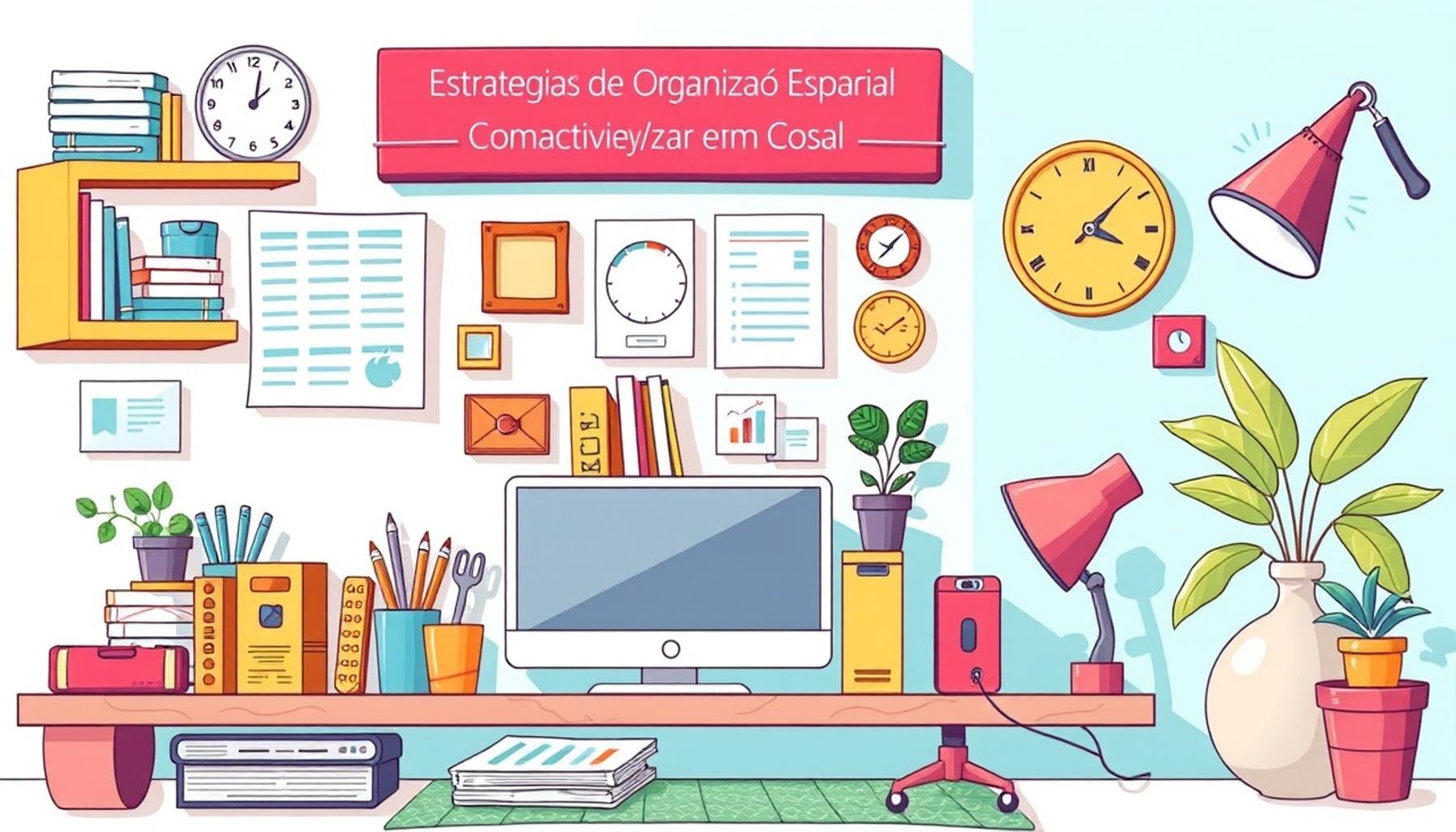
Spatial organization significantly enhances productivity by reducing procrastination. A tidy workspace improves focus, minimizes distractions, and boosts motivation. Implementing strategies like decluttering, establishing zones, and optimizing lighting can transform your environment, fostering a proactive approach to tasks and emotional well-being. Embrace spatial organization for a more efficient workflow.


Practical Tips for Creating Workspaces that Stimulate Concentration and Focus

Discover effective strategies to enhance your workspace for improved concentration and focus. Key tips include optimizing lighting, embracing ergonomics, managing clutter, and incorporating personal touches. Sensory elements like sound, scent, and temperature also play vital roles in creating a productive environment that fosters creativity and productivity.

The Importance of Spatial Organization in Personal Time Management

This article explores how spatial organization is crucial for effective personal time management. By optimizing your physical environment—through decluttering, creating specific zones, and incorporating natural elements—you can enhance productivity, reduce distractions, and improve focus, ultimately leading to better time management and overall well-being.

How Spatial Organization Can Increase Efficiency in Study Environments

Optimizing spatial organization in study environments significantly boosts efficiency and academic success. By creating designated study zones, managing clutter, and ensuring adequate lighting, students enhance concentration and productivity. Personalization further fosters a comfortable atmosphere, ultimately leading to improved learning experiences and overall well-being.

How Spatial Organization Can Increase Productivity in Work Environments

The design of work environments significantly influences employee productivity and morale. By balancing open and closed spaces, prioritizing accessibility, and minimizing clutter, organizations can foster collaboration and individual focus. Thoughtful spatial organization not only enhances workflow but also cultivates a culture of engagement, ultimately boosting overall productivity.

Spatial Organization Strategies to Maximize Creativity at Home

Creating a conducive home environment through effective spatial organization strategies can significantly enhance creativity. Key techniques include decluttering, establishing defined zones for activities, maximizing natural light, and incorporating personalized decor. These adjustments foster focus, inspiration, and overall well-being, unlocking your creative potential at home.

Overcoming Procrastination: Techniques to Improve Task Prioritization and Execution

Procrastination hinders productivity and goal attainment. This article explores effective techniques, such as breaking tasks into manageable steps, utilizing time management strategies like the Pomodoro Technique, and establishing a prioritized task list. By applying these methods, individuals can enhance task prioritization, execution, and overall productivity.

The Influence of Spatial Organization on the Formation of Productive Habits

The arrangement of physical spaces profoundly influences productivity habits. Effective spatial organization enhances focus, encourages collaboration, and minimizes distractions. By optimizing work, home, and public environments, individuals and organizations can cultivate productive habits that lead to improved efficiency and overall well-being, paving the way for a more fulfilling existence.