
Unlocking the Secret to Effective Task Management
In today’s fast-paced world, task prioritization can be a daunting challenge. Many individuals often find themselves overwhelmed with endless to-do lists and competing demands that can lead to stress and inefficiency. This is where the Eisenhower Matrix comes into play, offering a simple yet profound method to organize tasks based on urgency and importance, streamlining your approach to both personal and professional responsibilities.
What is the Eisenhower Matrix?
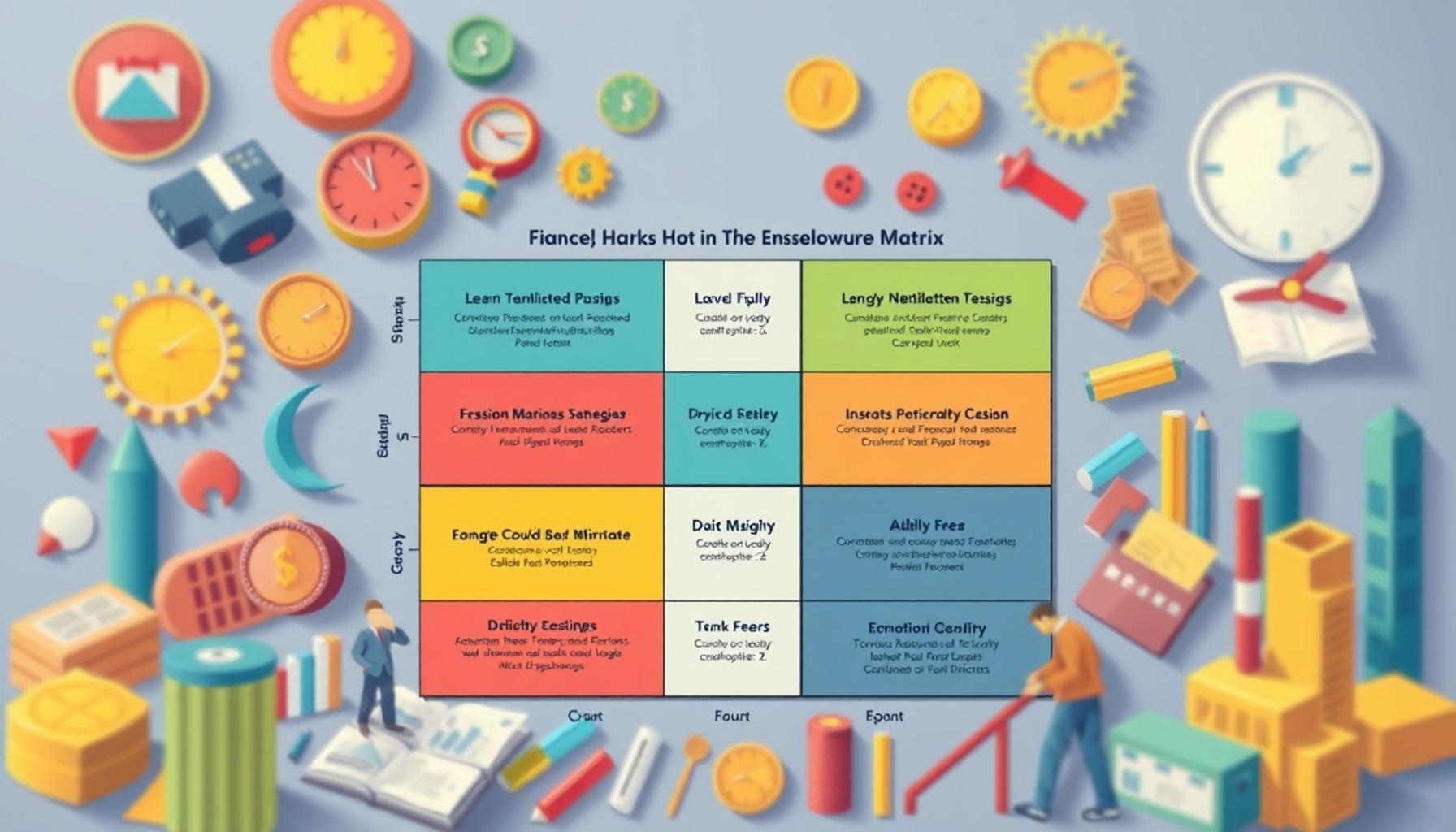
The Eisenhower Matrix, inspired by former President Dwight D. Eisenhower, categorizes tasks into four distinct quadrants:
- Urgent and Important: These tasks require immediate attention and are critical to your success. For example, meeting project deadlines or responding to a major client query fall into this category.
- Important but Not Urgent: These tasks contribute significantly to long-term goals and strategizing. Activities such as planning for a career advancement, personal development, and health-related pursuits belong here.
- Urgent but Not Important: Tasks that might distract you from your overall priorities. Think of emails or phone calls that require quick responses but don’t necessarily advance your goals.
- Neither Urgent nor Important: These tasks are often time-wasters that can be delegated or eliminated. For instance, scrolling through social media or attending low-value meetings might fit perfectly into this quadrant.
This framework not only helps individuals manage their time better but also enhances overall productivity. By discerning what truly matters, you can focus your energies on activities that yield the highest returns, allowing for a more fulfilling work-life balance.
Key Benefits
- Clarity in Decision-Making: By categorizing tasks, individuals can easily understand their priorities and make informed decisions about where to focus their time and resources.
- Improved Time Management Skills: The Eisenhower Matrix encourages individuals to assess the urgency of tasks versus their importance, leading to more effective scheduling and use of time.
- Enhanced Productivity and Focus: With a clear layout of what needs to be done, people can minimize distractions and dedicate their efforts toward high-value activities.
Join us as we delve deeper into the Eisenhower Matrix and explore practical tips for implementing this powerful tool in your life. For instance, consider starting your day by assessing your tasks and placing them into the appropriate quadrant, allowing you to tackle your day with intention. Discover how understanding this matrix can revolutionize your approach to work and life, fostering improvements not only in efficiency but also in overall well-being.
Many successful professionals across the United States have adopted this method, acknowledging its impact. From entrepreneurs managing their startups to busy parents juggling responsibilities, the Eisenhower Matrix serves as a universal tool. Its applicability in various scenarios underscores its significance in modern task management.
Now is the time to explore how you can utilize this transformative approach, unlocking your potential to accomplish more while reducing stress and maximizing satisfaction in both your personal and professional endeavors.
DISCOVER MORE: Click here to delve deeper
A Deeper Dive into Quadrants
Understanding the Eisenhower Matrix requires more than just knowing which tasks belong to which quadrants; it necessitates an appreciation of how these categories can reshape your workflow and enhance your productivity. By systematically analyzing tasks through the lens of this matrix, you can gain invaluable insights into your work habits, time management strategies, and ultimately, your success.
Quadrant Breakdown
Let’s take a closer look at the four quadrants that make up the Eisenhower Matrix, each playing a crucial role in effective task prioritization:
- Quadrant I – Urgent and Important: This quadrant houses tasks that demand your immediate focus. Think of it as the emergency room of your to-do list. Tasks like urgent deadlines, crises, and high-stakes commitments fall into this category. Addressing these tasks promptly not only helps in managing current challenges but also prevents further complications in the future.
- Quadrant II – Important but Not Urgent: Contrary to Quadrant I, this section emphasizes long-term goals and strategic planning. Activities that drive personal growth, such as skill development, relationship building, and health maintenance, belong here. By investing time in tasks from this quadrant, you can diminish the volume of urgent and important tasks over time, creating a more sustainable workflow.
- Quadrant III – Urgent but Not Important: Here lies the danger of distractions. Tasks that are urgent but don’t significantly impact your long-term goals—like many emails, unessential meetings, or unexpected phone calls—can draw your attention away from what really matters. Recognizing these tasks allows you to set boundaries and reduce interruptions, ultimately fostering better concentration on your core responsibilities.
- Quadrant IV – Neither Urgent nor Important: This quadrant consists of time-wasters that do not contribute meaningfully to your objectives. Tasks such as excessive browsing on social media, binge-watching television shows, or engaging in trivial meetings must be minimized, delegated, or eliminated to free up your time for more valuable endeavors.
When you actively engage with these quadrants, you can better manage your day-to-day responsibilities with clarity and purpose. A quick morning review of your tasks and placing them into the appropriate quadrants can set a productive tone for the day. This conscious decision-making can lead not only to immediate improvements in task execution but also foster long-term success and well-being.
Incorporating the Eisenhower Matrix into your routine is not merely about categorizing tasks; it’s about developing a mindset focused on what truly drives worth and success in your professional and personal life. The impact of effectively prioritizing tasks can resonate throughout your day, helping you navigate through obligations with intention.
As tasks pile up and your obligations grow, transitioning into or enhancing your existing task management strategy with the Eisenhower Matrix can provide much-needed relief and control. Moving forward, let’s delve into practical applications of the matrix and how you can implement it in various scenarios to enhance your daily operations.
The Eisenhower Matrix: Unlocking Task Efficiency
The Eisenhower Matrix offers a profound insight into effective task prioritization that can dramatically improve your productivity. This time management tool categorizes tasks into four distinct quadrants, allowing individuals to visualize their responsibilities based on urgency and importance. By doing so, it helps to filter out less critical tasks, providing a clearer focus on what truly matters. Understanding this framework can empower you to make sound decisions, leading to enhanced outcomes in both personal and professional environments.
| Category | Key Features |
|---|---|
| Urgent and Important | Critical tasks that require immediate attention. |
| Not Urgent but Important | Goals that lead to long-term success and must be prioritized. |
This simple division not only clarifies your to-do list but also serves as a motivational tool. The Eisenhower Matrix encourages ongoing evaluation of tasks, helping to build a proactive mindset rather than a reactive one. Implementing this method can lead to reduced stress levels and increased satisfaction in your achievements. As you begin to apply the Eisenhower principles, you may experience greater clarity in decision-making, reinforcing your path toward effective task management.
LEARN MORE: Click here to discover how to refine your goals
Practical Applications of the Eisenhower Matrix
Understanding the Eisenhower Matrix is one thing, but putting it into practice can be a game-changer for your productivity. Implementing this strategic approach requires a conscious effort to categorize your tasks daily. Here, we explore various applications of the Eisenhower Matrix in real-life scenarios, ranging from personal responsibilities to workplace demands.
Daily Task Management
One of the most immediate ways to utilize the Eisenhower Matrix is through daily task management. A morning ritual of categorizing your responsibilities can establish a clear focus for the day ahead. For instance, if you have a project deadline due tomorrow, placing it in Quadrant I and tackling it first can alleviate stress later in the day. Additionally, by identifying activities like brainstorming new marketing strategies that belong to Quadrant II, you can carve out dedicated time during your week to foster creativity, rather than merely reacting to immediate pressures.
Consider employing mobile apps or digital tools that offer the ability to create an Eisenhower Matrix grid. These tools can help you drag and drop tasks into their respective quadrants, making real-time management effortless. Applications such as Todoist or Trello can facilitate this process, allowing for visual representations that motivate you to prioritize efficiently.
Project Management
In team settings, the Eisenhower Matrix proves invaluable in project management and leadership roles. Leaders can utilize quadrant categorization during team meetings to ensure everyone is aligned on priorities. For instance, when discussing project timelines, team members can quickly identify tasks requiring immediate attention versus those that can be scheduled for later. This collaborative approach can streamline expectations and reduce the potential for misunderstandings while enhancing accountability.
Additionally, a well-implemented matrix can foster a culture of proactive work within teams. Colleagues may be encouraged to engage with Quadrant II activities, such as professional development courses or team-building exercises, which can lead to a more cohesive and skilled workforce in the long run.
Personal Life and Goal Setting
The Eisenhower Matrix is not limited to professional settings; it is equally effective in personal life management. Managing household responsibilities, family commitments, and personal aspirations are areas where this framework can reduce overwhelm. For example, many individuals struggle with balancing urgent tasks like grocery shopping or car maintenance while neglecting important activities like spending quality time with loved ones. By understanding which tasks can wait and which demand immediate action, you can feel a sense of control over your daily agenda.
To further enhance goal setting, individuals can identify long-term ambitions and break them down into actionable tasks within Quadrant II. Whether it’s learning a musical instrument or planning a dream vacation, categorizing these tasks ensures continual progress without sacrificing time on lower-priority activities.
Adapting to Changing Priorities
Finally, it’s crucial to recognize that priorities can shift. The dynamic nature of life and work means that what once was deemed urgent may no longer hold the same weight. Regularly revisiting and reassessing your tasks within the Eisenhower Matrix can lead to higher performance levels and less burnout. This adaptability encourages flexibility and innovation, allowing you to pivot and align with shifting goals or unforeseen challenges.
Ultimately, the Eisenhower Matrix does more than provide a blueprint for task organization; it empowers individuals to operate with clarity and intention, paving the way for a balanced, fulfilling life. By weaving this methodology into your everyday practices, you can unlock a new realm of productivity and personal fulfillment. As you enhance your approach to task prioritization, you may find yourself achieving a level of efficiency and ease previously thought unattainable.
DISCOVER MORE: Click here to learn how technology can transform your space
Conclusion
The Eisenhower Matrix serves as a powerful tool for individuals seeking to enhance their task prioritization skills, both in personal and professional realms. By categorizing tasks into four distinct quadrants based on urgency and importance, this framework provides clarity amidst the chaos of daily responsibilities. The ability to distinguish between what truly matters and what merely demands immediate attention can fundamentally transform how one navigates tasks, leading to improved focus and reduced overwhelm.
Furthermore, the practical applications we explored underscore its versatility—from daily task management rituals to collaborative project efforts within teams. The incorporation of digital tools ensures that the benefits of the Eisenhower Matrix are both accessible and effective, allowing users to adapt and reassess tasks on the fly, ultimately fostering an environment of accountability and proactive productivity.
As readers reflect on their unique priorities and the shifting nature of life, it becomes evident that the matrix is not just a static organizational tool but a dynamic method for aligning daily actions with overarching goals. This adaptability can be transformational, providing the flexibility necessary to thrive in fast-paced environments. Whether you aim to boost productivity in the workplace or simply desire a more harmonious personal life, implementing the Eisenhower Matrix paves the way for sustainable success and fulfillment.
In a world full of distractions and competing demands, honing the art of effective task prioritization through the Eisenhower Matrix may just be the key to unlocking your full potential, guiding you toward a more organized, intentional, and satisfying life.